
CTC vs Loose Leaf Tea: What's the Difference?
Explore the key differences between CTC and loose leaf tea - processing methods, flavour profiles, and how to brew each one.
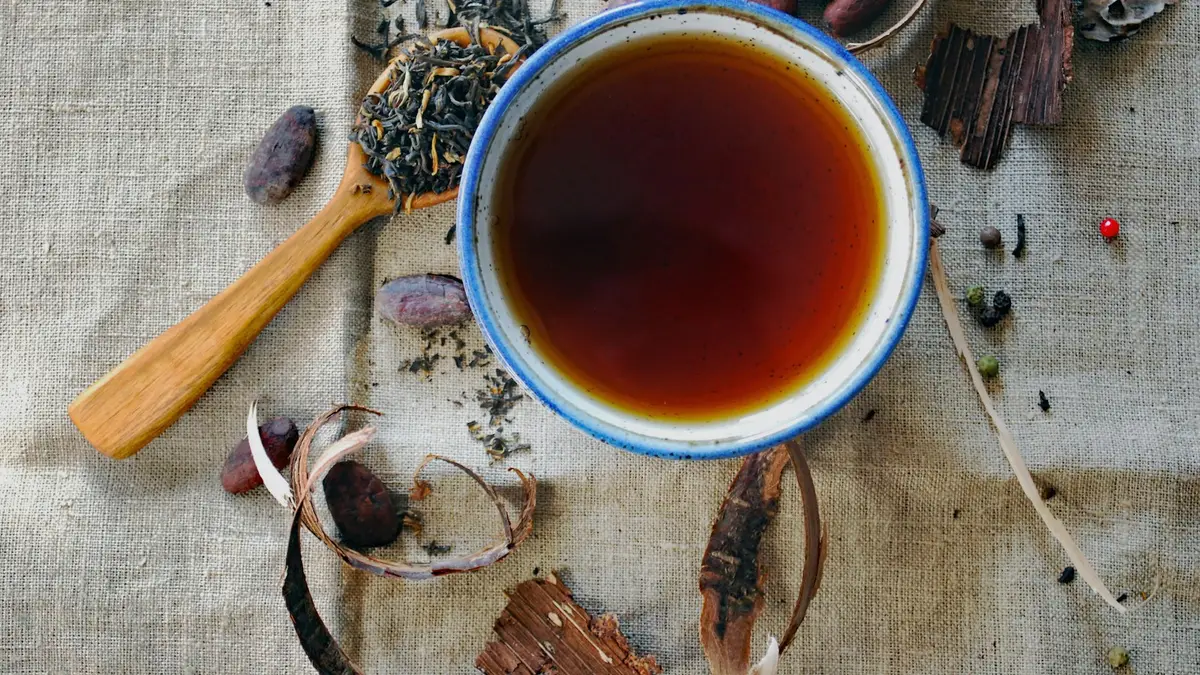
Walk into any Indian kitchen and you'll find CTC tea. Walk into a specialty tea shop and you'll find rows of loose leaf. Both are tea - but they're made differently, taste differently, and suit different moments. Here's everything you need to know.
What Is CTC Tea?
CTC stands for Crush, Tear, Curl - a mechanical process invented in the 1930s to make tea production faster and more consistent. Fresh tea leaves are passed through cylindrical rollers with serrated teeth that crush, tear, and curl them into small granules or pellets.
The result is a dense, uniform product that:
- Brews quickly (2–4 minutes)
- Produces a strong, bold, dark liquor
- Holds up well in milk
- Is more affordable per cup
CTC is the backbone of Indian chai culture. The granules extract rapidly in hot water and milk, producing that characteristic thick, malty brew. Assam CTC is the most widely consumed tea in India.
What Is Loose Leaf Tea?
Loose leaf tea refers to whole or gently broken tea leaves that retain their natural structure after processing. Rather than being mechanically shredded, they're rolled, oxidised, and dried while staying largely intact.
Loose leaf teas include:
- Darjeeling first and second flush
- Assam orthodox
- Nilgiri teas
- Green and white teas
- Oolongs
Because the leaves are whole, they expand significantly when steeped - releasing flavour gradually and producing a more complex, nuanced cup.
How They Compare
Flavour
CTC produces a bold, robust, slightly bitter cup with a malty character. The strong flavour cuts through milk and sugar easily, which is why it's ideal for chai. It's consistent - one batch tastes much like another.
Loose leaf tends to be more layered. A good Darjeeling might have muscatel (grape-like) notes. An Assam orthodox can have earthy, brisk character. The flavour changes with steeping time, temperature, and even the time of harvest.
Brewing
CTC is forgiving. Toss a teaspoon in a pot, add water and milk, simmer for a few minutes. It's hard to ruin.
Loose leaf rewards attention. You need the right temperature, the right steeping vessel (a pot with a strainer or infuser), and the right time. Over-steep and it turns bitter. Get it right and it's worth it.
Quality and Price
CTC is more affordable because the production process is automated and the leaves don't need to be as carefully handled. Loose leaf, especially from premium estates, costs more - but you're also getting more from the leaf in terms of flavour.
It's worth noting that CTC teas from quality estates can be excellent. Price doesn't always mean better tea; it means different tea.
Which Holds Up in Milk?
CTC, without question. The strong tannins and bold flavour of CTC teas stand up to the fat and proteins in milk. Most loose leaf teas - especially delicate greens or first flush Darjeelings - are meant to be drunk plain. Adding milk to them masks the very character you're paying for.
When to Choose CTC
- You want a strong morning cup that works with milk
- You're making chai with spices
- You want consistency and value
- You're making tea for a crowd
When to Choose Loose Leaf
- You want to explore tea as a flavour experience
- You're drinking plain, without milk
- You're brewing green, white, or specialty black teas
- You want to slow down and pay attention to the cup
Neither is better. They're different tools for different situations. At Gray Cup, we stock both - because a good chai in the morning and a thoughtful Darjeeling in the afternoon are both worth having.