

CoffeeChicoryBuying Guide
Coffee Powder Without Chicory: Pure Coffee Options in India
Why people want coffee without chicory, how to check a pack, and which chicory-free filter coffees to buy.
4 min read
We don't keep roasted coffee in stock - we roast right after your order. Delays may happen if we have too many orders.
Practical guides and articles on coffee and tea - what to drink for weight loss, the gym and energy, how to choose beans and filter coffee, and how to brew every cup.
Why people want coffee without chicory, how to check a pack, and which chicory-free filter coffees to buy.
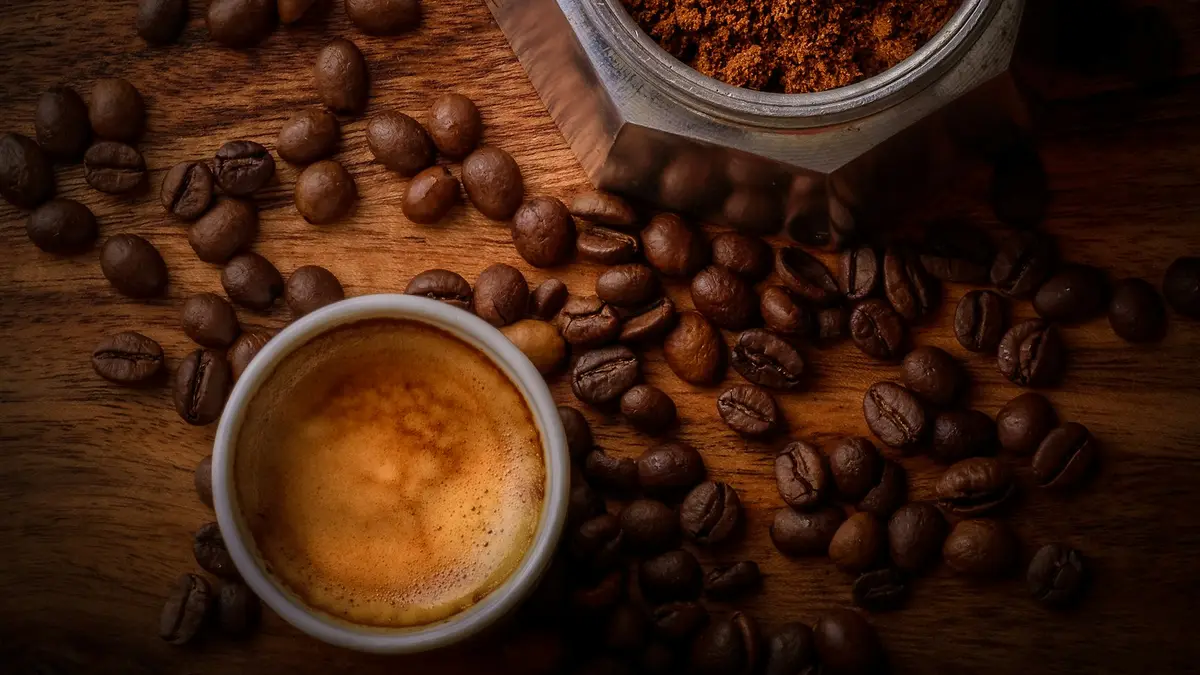
Recipes for a classic hot milk chicory coffee, a strong dark cup and an iced chicory coffee, with the right ratio for each.
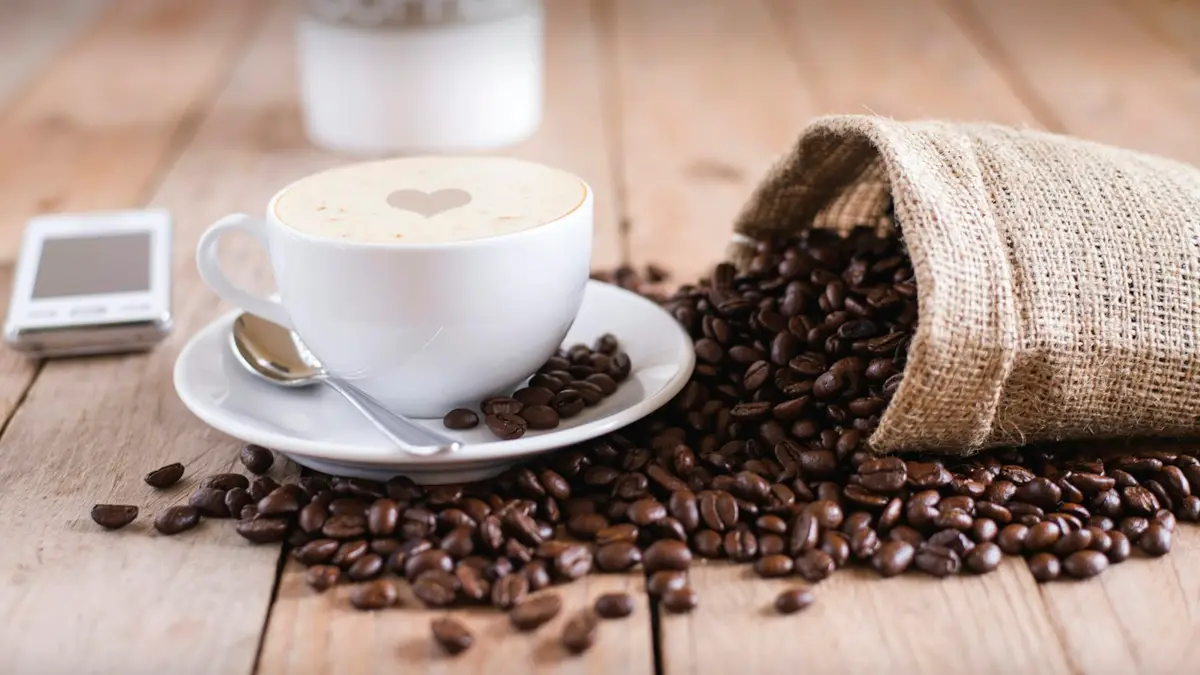
How much chicory powder to add to coffee at 10%, 20%, 30%, 40% and 50%, and whether to mix it yourself or buy it pre-blended.

How the chicory plant's root is dried, roasted and ground, why it ended up in coffee, and what it does to the cup.

Chicory coffee is coffee blended with roasted chicory root. What it tastes like, how much caffeine it has, and which ratio to start with.

A checklist for buying chicory filter coffee online - ratio, price per kg, grind, roast freshness - plus Gray Cup's range and prices.

Chicory has no caffeine. See how much caffeine a cup of 90:10, 80:20, 70:30, 60:40 and 50:50 chicory filter coffee contains.
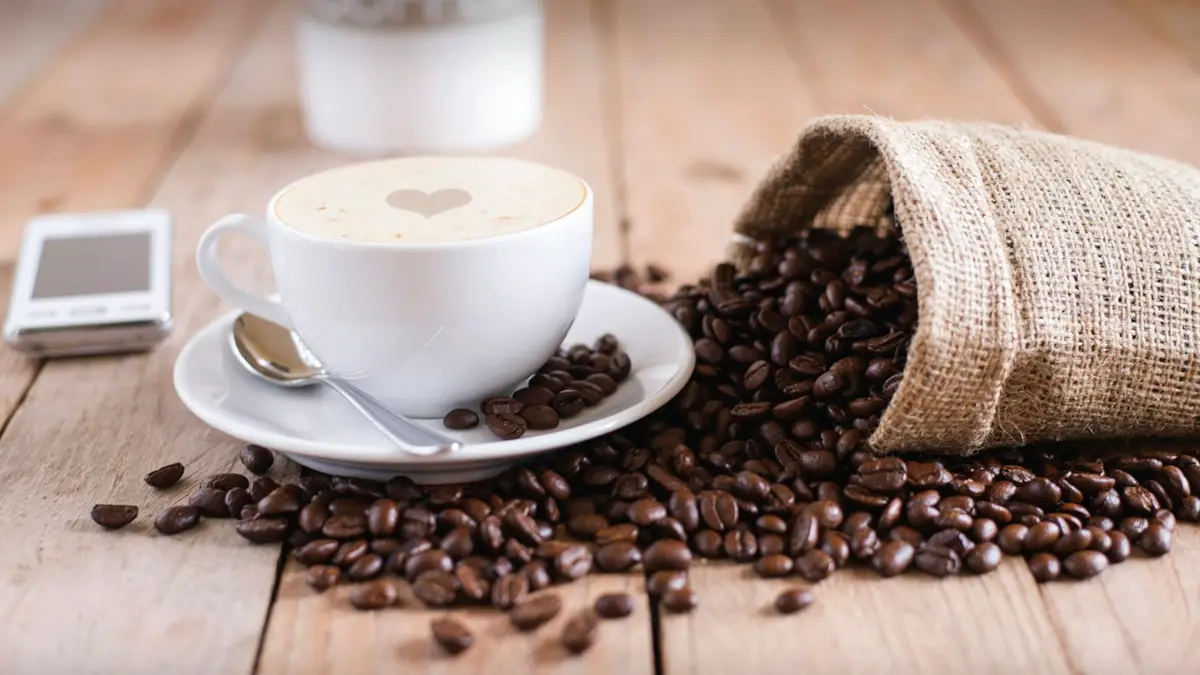
Chicory changes how you make decoction. Powder quantities by ratio, a step-by-step method and fixes for common problems.
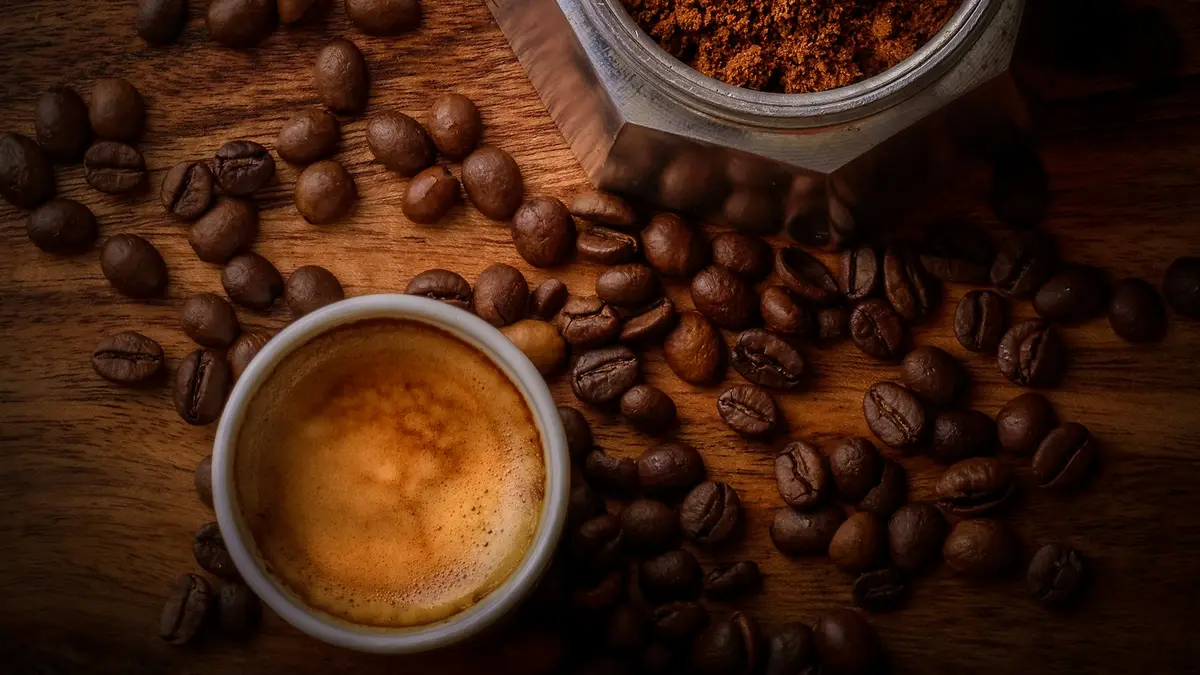
Why South Indian filter kaapi powder contains chicory, what ratio to use, and how to make a proper tumbler of kaapi at home.

How each coffee-to-chicory ratio changes strength, caffeine, bitterness and price, and how to pick the right one for your cup.

What to look for in a chicory filter coffee: stated ratio, coffee quality, grind, roast date and price per kg, plus which ratio suits which cup.

One table comparing Cothas and Gray Cup chicory filter coffee by price per kg and cost per cup, including where Gray Cup is not cheaper.

Cothas Darshini Special is its lower-priced 80:20. See how it compares with Gray Cup's 80:20 and 70:30 chicory blends.
Cothas Extra Strong and Gray Cup's 60% Arabica, 40% chicory blend compared on price, packs, caffeine and strength.

A like-for-like comparison of Cothas' 80:20 Home Blend and Gray Cup's 80% Arabica, 20% chicory Value Blend: price, packs and cup.
Cothas and Gray Cup both sell chicory filter coffee by ratio. Compare 80:20, 60:40 and more on price per pack, pack size and the cup.
Buying coffee for a cafe or restaurant is a different problem to buying for yourself - consistency and bulk pricing matter as much as taste. Here's how to choose.

New to a home espresso machine? Start with a forgiving medium roast and a coarser-than-you-think grind. Here's a beginner-friendly starting point.

Used coffee grounds aren't a magic fertiliser, but they do help some plants and compost heaps. Here's what they actually do and how to use them safely.

A frappuccino is blended, not brewed - strong cold coffee, ice and milk whipped into a slushy drink. Here's the best milk to use and a base recipe.

Bulletproof coffee blends black coffee with butter and MCT oil - a strong, clean-tasting base matters more here than usual. Here's what to use.

Dark roast has slightly less caffeine than light roast by volume, not more - so it's not the stronger weight-loss tool people assume. Here's what actually matters.
Dropping sugar from milk coffee cuts real calories even if you keep the milk. Here's how much it actually helps, and how to make the switch stick.

Frothy, sweet, iced or hot - six ways to make coffee without milk that still feel like a proper drink, not just black coffee by default.

Coffee is mostly water, so hard or heavily chlorinated water changes the taste - and can scale up an espresso machine. Here's what water to actually use.
Condensed milk coffee is sweeter, thicker and more forgiving than a regular milk coffee. Here's the ratio and a simple hot or iced recipe.
A dash of milk vs steamed milk vs half-and-half - the amount and type of milk you add to espresso is what actually names the drink. Here's the full spectrum.
Crema comes from fresh, fine-ground, Robusta-leaning coffee under pressure - not any particular brand. Here's how to get a better cappuccino at home.

Iced coffee needs a stronger brew than usual so the ice doesn't water it down. Here's the coffee, ratio and a simple no-milk recipe.
Roast date, grind size, and Arabica/Robusta ratio matter far more than the brand name on the bag. Here's what to check before buying ground coffee online.

The right coffee-to-water ratio matters more than the brewer. Here's how much ground coffee to use per cup, and how to scale it up for a full pot.

Pour-over, stovetop moka and electric filter machines each want a slightly different grind. Here's how to pick the right one for each.
Reusable/refillable pods let you brew any ground coffee - including your own - in a Nespresso or K-Cup machine. Here's how they work and what to fill them with.

Cafetière, plunger, French press - three names for the same brewer, and all three need the same coarse, even grind. Here's why and how to buy for it.
Percolators re-boil coffee through the grounds, so a coarser grind matters more here than with almost any other brewer. Here's how to get it right.
Espresso needs a fine, even grind and a fresh roast more than it needs a specific bag. Here's what to look for in ground coffee for an espresso machine.

"Kaapi" and "filter coffee" are mostly the same drink by different names - here's the regional nuance, from Chennai to Kumbakonam to Karnataka.

Levista, Cothas, CCD, Sleepy Owl, Blue Tokai and more - a quick comparison of popular South Indian filter coffee brands and where Gray Cup fits.

Malgudi and Continental are budget South Indian filter coffee brands built around chicory. Here's how they compare to Gray Cup's blends.
Nescafe's filter coffee line sits between instant and traditional decoction coffee - here's how it compares to a real Gray Cup filter blend.

Bru and Bru Green Label are the most widely stocked filter coffee blends in India - here's how they stack up against Gray Cup's blends.
Narasus is a long-running Coimbatore filter coffee brand. Here's how its blends compare to Gray Cup's on ratio, roast and price.

What to check before buying filter coffee powder online - blend ratio, roast date, chicory content - and where Gray Cup's blends fit in.

Vietnamese ca phe sua da is dark-roast Robusta dripped through a phin filter over condensed milk - here's the equipment and the recipe.

Paper, metal or mesh - the filter you use with a pour-over, Aeropress or French press changes body and clarity. Here's how to choose.

Electric drip, pour-over drip and cold drip all use gravity to brew - here's how they differ and which suits a filter coffee habit best.

Steel, cloth, paper, ceramic, cone - every common coffee filter material explained, with what each one does to taste and body.
The tumbler-and-dabara set is half the filter coffee ritual - here's what to look for in steel, brass and gift-set versions.

A step-by-step guide to brewing filter coffee decoction at home, plus how it compares to bottled decoction and instant filter coffee liquid.

Steel, brass or electric filter - the maker matters less than people think. Here's how to pick one, and why the powder inside it matters more.
Cutting milk from your coffee changes the calorie count, the caffeine hit and the taste - here are the best black and iced options and how to brew them.
The Spanish latte (condensed milk), Irish latte (whiskey-adjacent flavour, no alcohol) and Vietnamese-style iced coffee - three regional takes on latte compared.
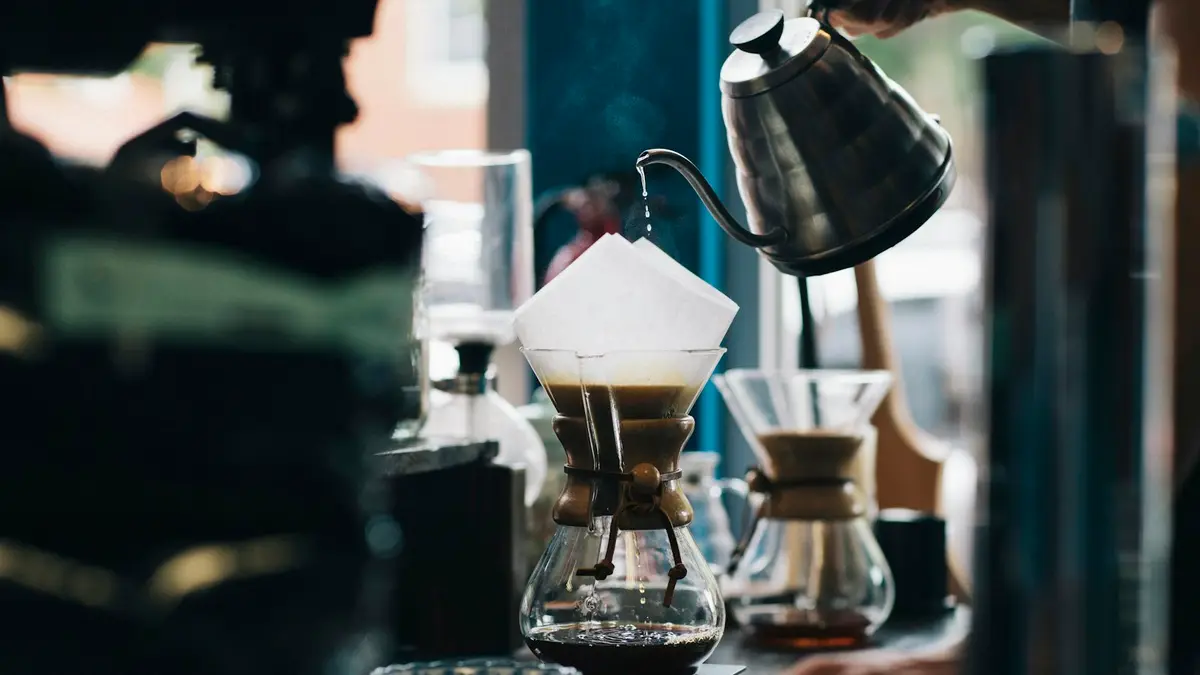
Salted caramel, hazelnut, mocha, cinnamon and more - simple flavoured latte recipes you can make at home with syrup or spice you already have.

Same three ingredients - espresso, milk, foam - in different ratios. Here's exactly what separates a latte, cappuccino, mocha and flat white.
Nescafe sells cafe latte, iced latte and chilled latte cans under one name - here's what's in each, how they differ, and how they compare to a real espresso latte.

Matcha latte and golden (turmeric) latte are both caffeine-light, milk-based drinks - here's how they're made, how they taste, and how to make them at home.

The Pumpkin Spice Latte's availability and price in India, what's actually in it, and a home recipe for when it's off the menu.
A guide to every latte on the Starbucks India menu - flavours, sizes and roughly what they cost - plus how to make the closest version at home.

Vanilla latte vs vanilla bean latte vs French vanilla - what's actually different, and how to make any of them at home without a machine.
Vanilla, caramel, hazelnut or mocha - here's how to make an iced latte at home that doesn't water down the coffee.
A latte is espresso plus steamed milk - but the name covers a dozen variations. Here's what separates a latte from a cappuccino, mocha and flat white.

Bitterness usually comes from Robusta, dark roasts and over-extraction - not coffee itself. Here are the least bitter coffees and how to brew them.

Black coffee is a low-effort tool for weight management: near zero calories, mild appetite control, and a better pre-workout than most. Here's how to use it.

If you want to move on from instant without much more effort, here are the easiest fresh-coffee alternatives - South Indian filter, French press and more.

Paper-filtered coffee removes cafestol, a compound that raises cholesterol - so filter coffee has a small edge over unfiltered. Here's the full picture.

Long-term coffee drinking is linked to lower type 2 diabetes risk, but caffeine can raise blood sugar short-term. Here's the nuanced picture - not medical advice.
An Arabica-Robusta blend gives you aroma and strength together. Here's how to pick the ratio and the best blends for filter coffee and espresso.

Light roast keeps the most origin character, acidity and aroma - best for pour over and black coffee. Here are the best light roasts in India.

Dark roast means bold, smoky, low-acid coffee that shines in espresso and strong milk drinks. Here are the best dark roasts in India.

Strong filter coffee comes from more Robusta, a thicker decoction and less dilution. Here are the strongest filter blends and how to brew them.

If you don't grind your own, pre-ground coffee for black coffee needs to be Arabica-forward, medium-roast and fresh. Here are the best powders.
Coffee delivers caffeine with the same evidence base as a pre-workout supplement, for a fraction of the price. Here's what it does and doesn't cover.

Coffee doesn't burn fat, but black coffee makes a calorie deficit easier to hold and helps you train harder. Here's how to use it and what to drink.

Chicory adds fibre, cuts caffeine and mellows filter coffee - but too much can cause bloating. Here's the balanced view on chicory in coffee.

Decaf still has a little caffeine and the process matters. Here's how decaffeination works, what to look for, and lower-caffeine alternatives.
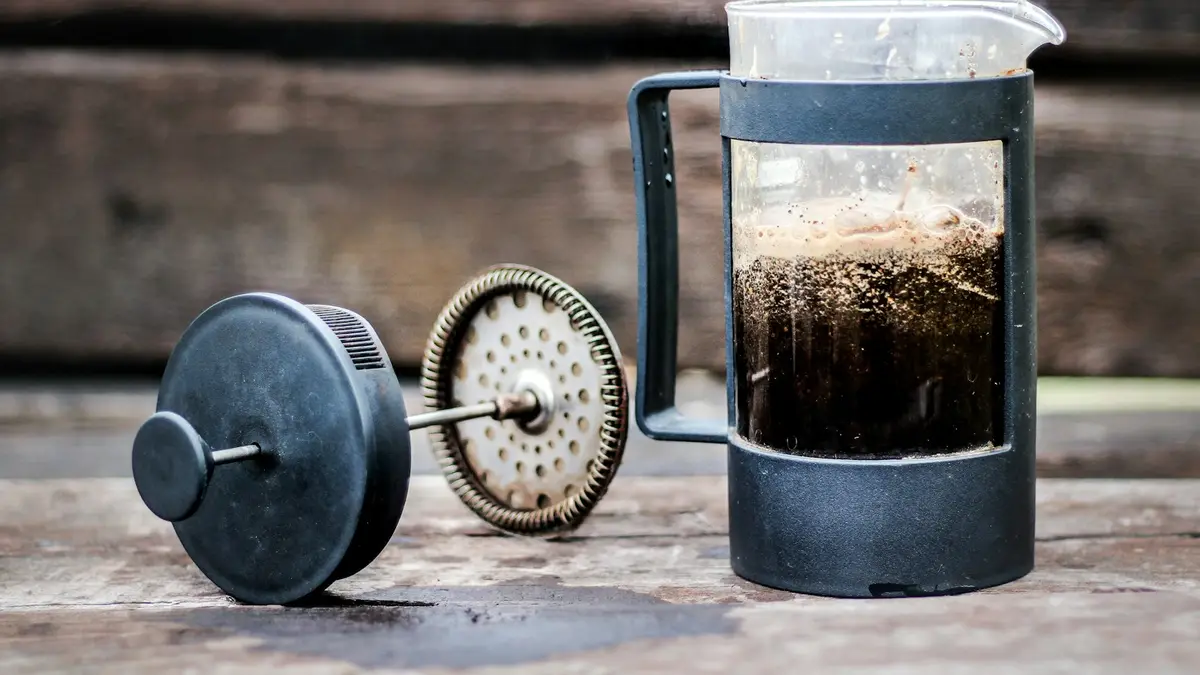
The AeroPress is forgiving and fast, and works with almost any roast. Here's how to get the most from it and the best coffees to use.
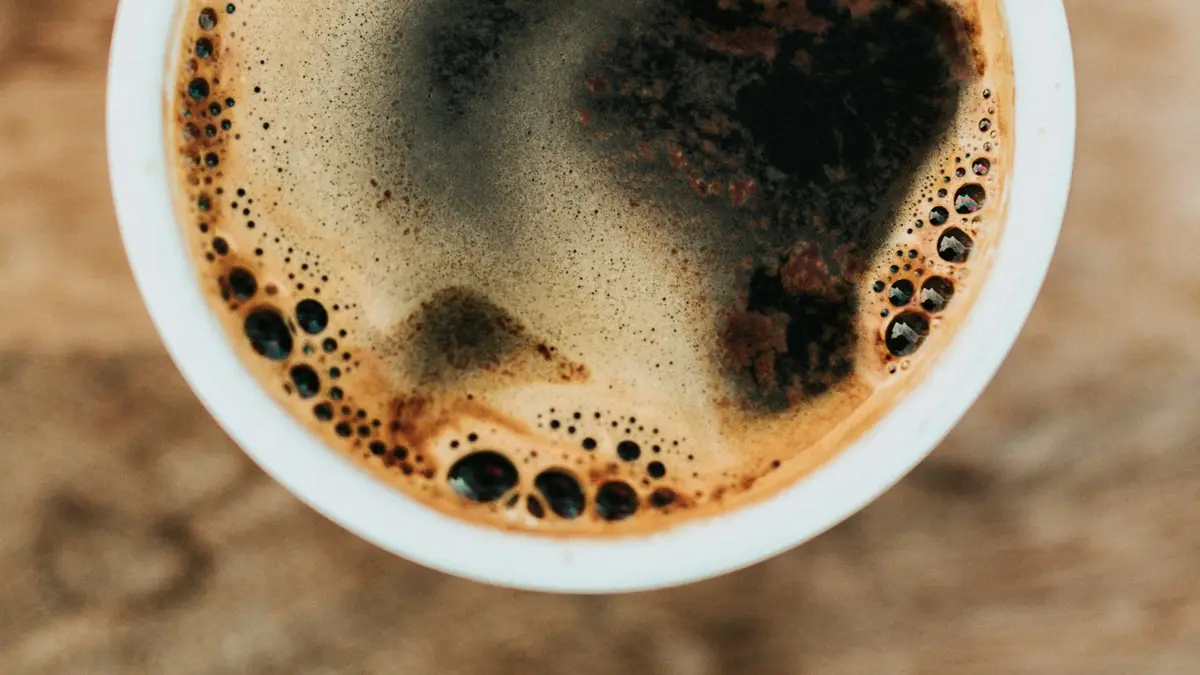
If coffee has stopped working, your body has adapted. Here's how tolerance builds, whether a full detox is needed, and how to get the effect back.

Grind size is the biggest lever on taste after freshness. Here's the right grind for filter, French press, pour over, moka pot and espresso.

Air, heat, light and moisture are what stale coffee. Here's how to store beans and ground coffee properly - and whether the freezer really works.

For most people a morning black coffee before food is fine. Here's what the evidence says about acid, cortisol and jitters - and who should eat first.

Caffeine has a 5-6 hour half-life, so an afternoon coffee is still working at bedtime. Here's how coffee affects sleep and when to have your last cup.
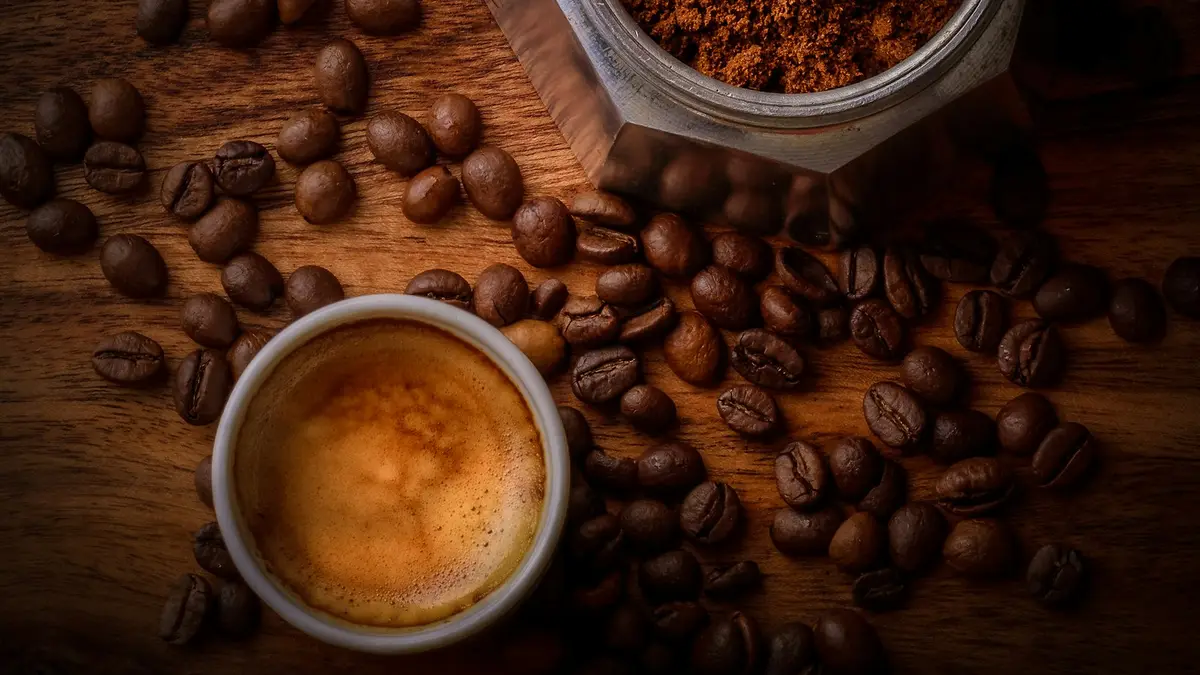
Black coffee at home takes one piece of kit and five minutes. Here's how to make it with a steel filter, French press, pour over or a simple saucepan.

Single origin shows where a coffee is from; blends are built for consistency and balance. Here's when each makes sense and what to buy.
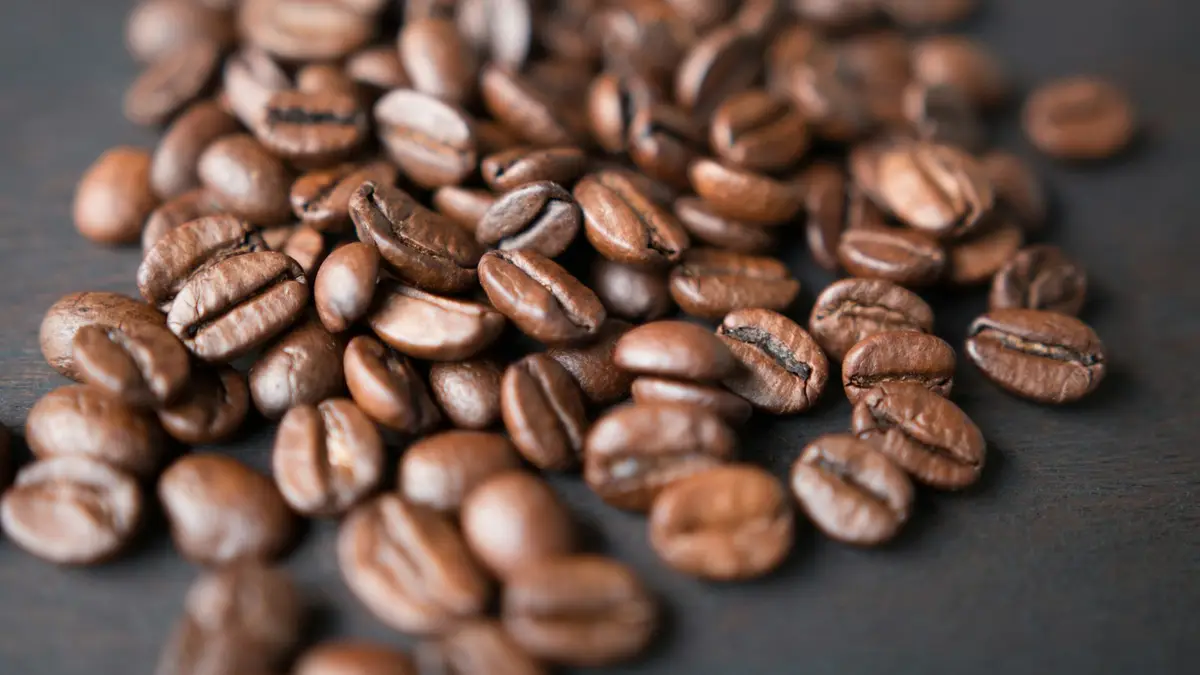
Honey (or pulped natural) processing leaves some fruit mucilage on the bean while it dries, giving a sweet, syrupy, low-acid cup. Here's how it works.
Processing decides a lot of a coffee's flavour. Washed is clean and bright; natural is fruity and heavy. Here's how each is made and which to pick.

Pre-ground coffee for milk drinks should be a fine-to-medium grind with enough body to stand up to dairy. Here are the best ground coffees for milk.

Coffee for milk needs body and strength to cut through - that means some Robusta, a darker roast, or a natural process. Here are the best options.

Night-shift caffeine needs careful timing so you stay sharp at 4 am but can still sleep after. Here's the strategy and the strongest coffees for it.
Office coffee is usually stale and bitter. Here's how to bring your own - filter, press or a good instant - and the best coffees for a workday.
A cup 45 minutes before a run improves endurance and makes the effort feel easier. Here's the timing, the GI caveats, and the best coffees for runners.

Caffeine is a proven ergogenic aid for endurance, power and focus. Here's how athletes should use coffee - dose, timing, tolerance - and five to try.

An early session leaves no time for caffeine to kick in slowly. Here's what to drink as soon as you wake, and five coffees suited to it.

Black coffee doesn't break a fast - it may even help. Here's what you can and can't add, and the best black coffees for a fasting window.

Timing affects sleep, focus and how well coffee works before exercise. Here's when to drink black coffee - and when to stop.
It depends on the bean, the dose and the brew - not much on the roast. Here's a practical breakdown of caffeine per cup, with numbers.
From alertness and exercise performance to liver and metabolic markers, here are the evidence-backed benefits of black coffee - and the caveats.

Moderate black coffee is linked to lower risk of several conditions and has almost no calories. Here's what the research supports and what it doesn't.

Species, roast, process, grind and freshness - five decisions that determine your cup. Here's how to choose coffee without the jargon.
You don't need to spend a lot for fresh, well-roasted coffee. Here are the best coffees and filter powders under ₹500 in India.

If you're new to real coffee, start with smooth, forgiving, medium-roast beans and a simple brew. Here are the best coffees to begin with.
Espresso is black coffee - just brewed under pressure, concentrated and small. Here's how they differ in caffeine, strength, flavour and when to drink each.
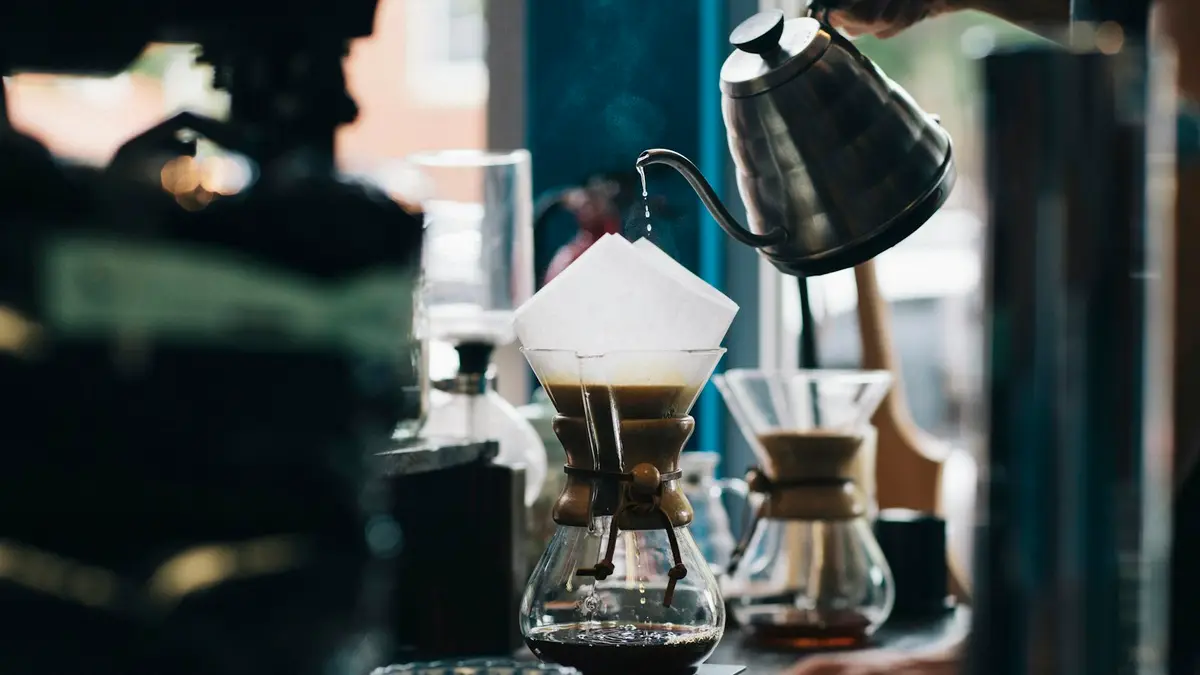
Home espresso needs a bold, fresh, medium-dark roast and often a little Robusta for crema. Here are the best coffees to pull espresso with.
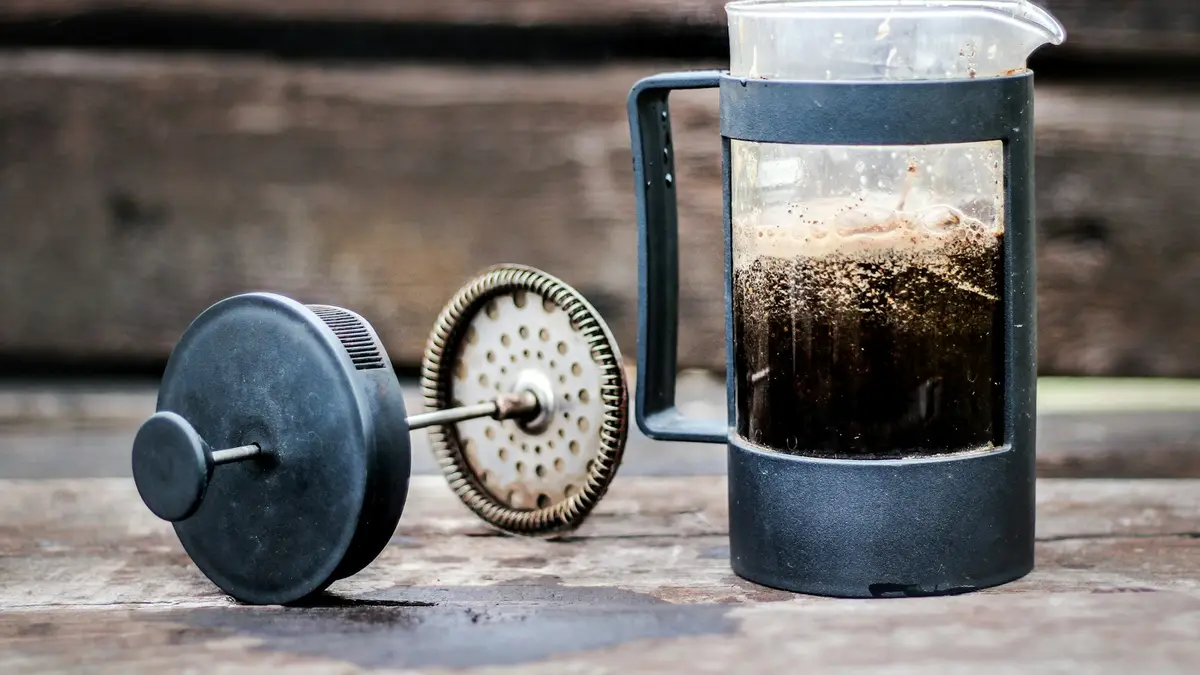
Pour over is the most revealing brew method - it rewards clean, aromatic beans and a careful medium grind. Here are the best coffees for pour over.
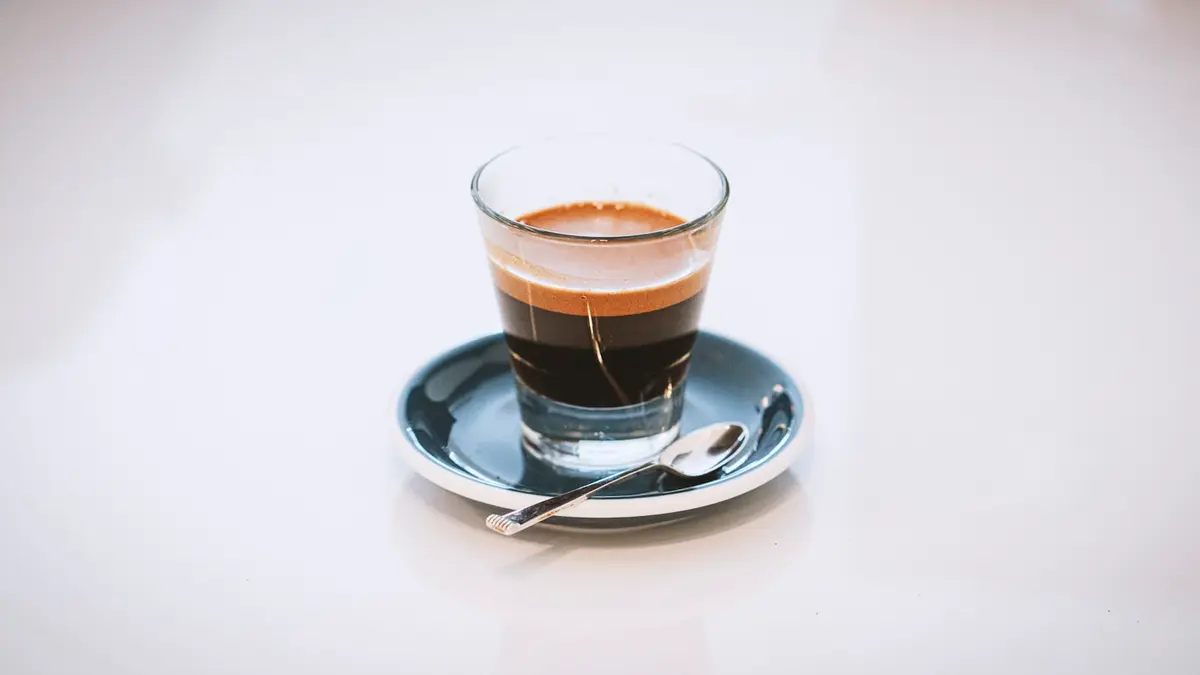
A moka pot brews strong, near-espresso coffee on the stove. It wants a fine-ish grind and a bold, low-acid roast. Here are the best coffees for a moka pot.

Cold brew is low-acid and smooth by design, so it suits medium-dark roasts with chocolate and nutty notes. Here are the best coffees for cold brew, and the recipe.

French press needs a coarse grind and a coffee with body that won't turn bitter over a 4-minute steep. Here are the best coffees for a press pot.

Filter coffee is fresher, more aromatic and higher in beneficial compounds; instant is faster and cheaper. Here's the full comparison for Indian coffee drinkers.

Black coffee is lower-calorie and shows origin flavour; milk coffee is smoother and gentler on the stomach. Here's how they compare and when to pick each.
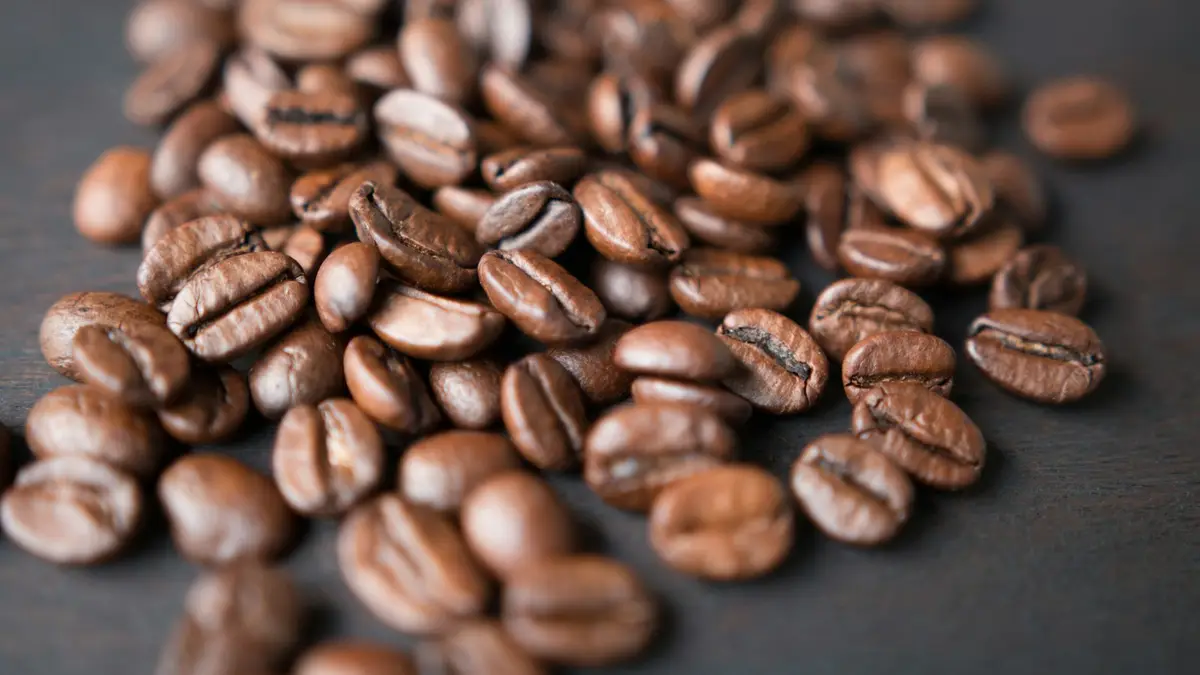
Roast level changes acidity, body, bitterness and flavour far more than caffeine. Here's what each roast does and which to pick for how you drink coffee.

Medium roast keeps origin character and acidity while staying easy to drink. Here are the best medium-roast coffees in India, and how it compares to dark.
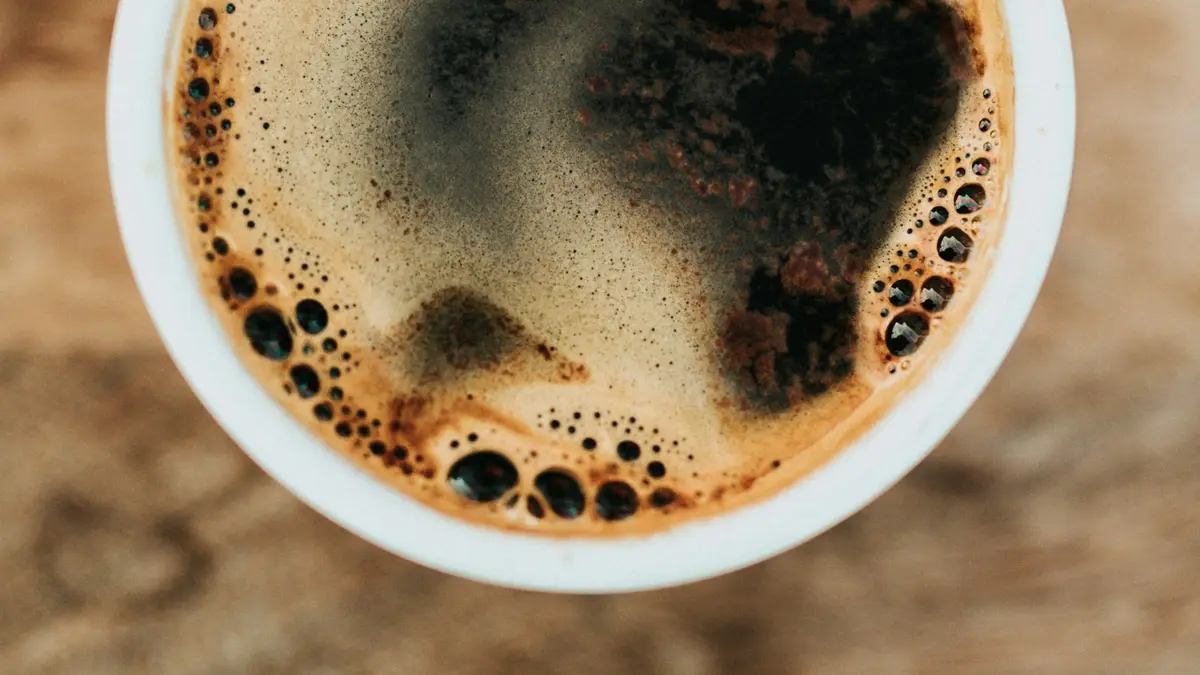
India grows high-quality Robusta with more caffeine, body and crema than Arabica. Here's where Robusta shines and the best options to buy.
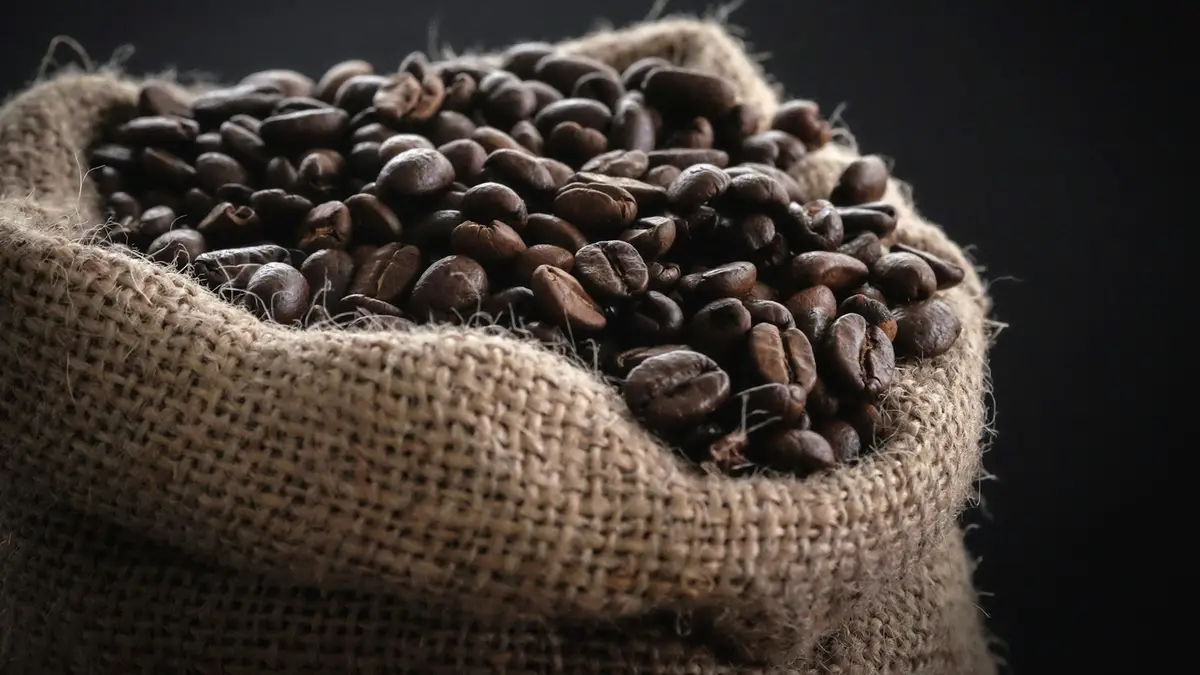
Indian Arabica is shade-grown, washed or honey-processed, and clean in the cup. Here are the best single-origin and estate Arabicas to buy.

For an everyday home filter coffee you want a forgiving blend, consistent grind and a good price. Here are the best options for daily use.

Authentic South Indian filter coffee needs the right powder, a steel filter and a proper decoction. Here are the best blends and how to make degree coffee.

Smooth means low bitterness, low harshness and a clean finish. Here are the smoothest black coffees in our range, and how to brew to keep them that way.
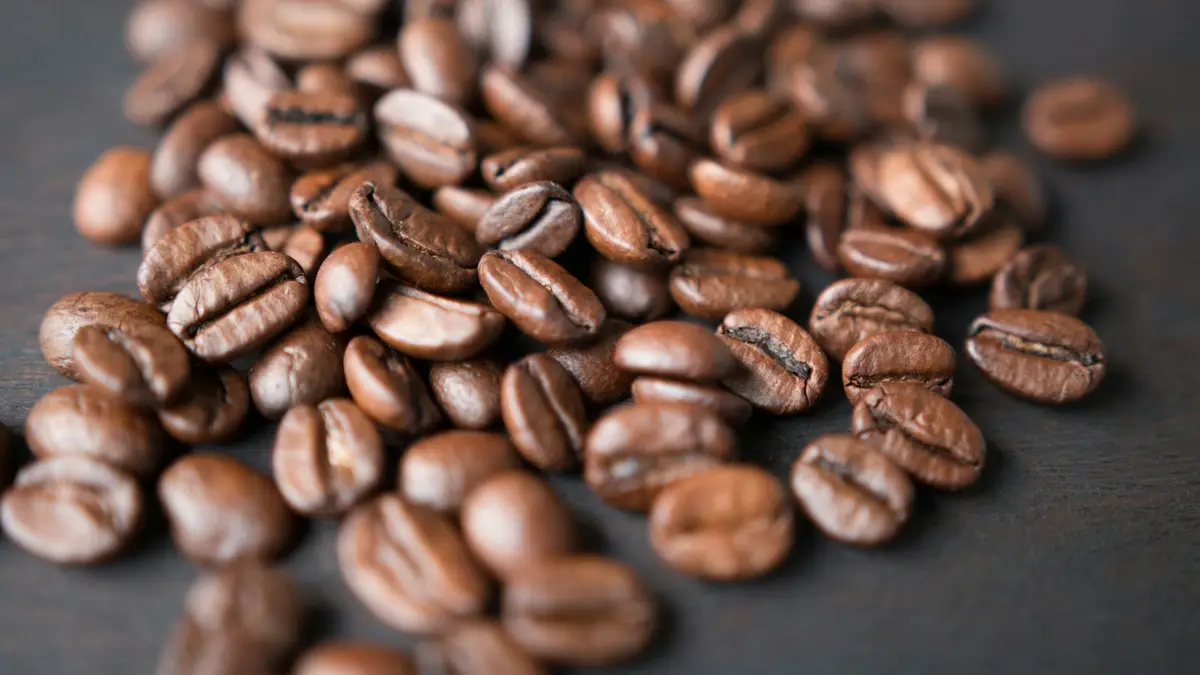
Beans for black coffee should be Arabica-forward, cleanly processed and roasted medium. Here are the best beans to brew black at home.
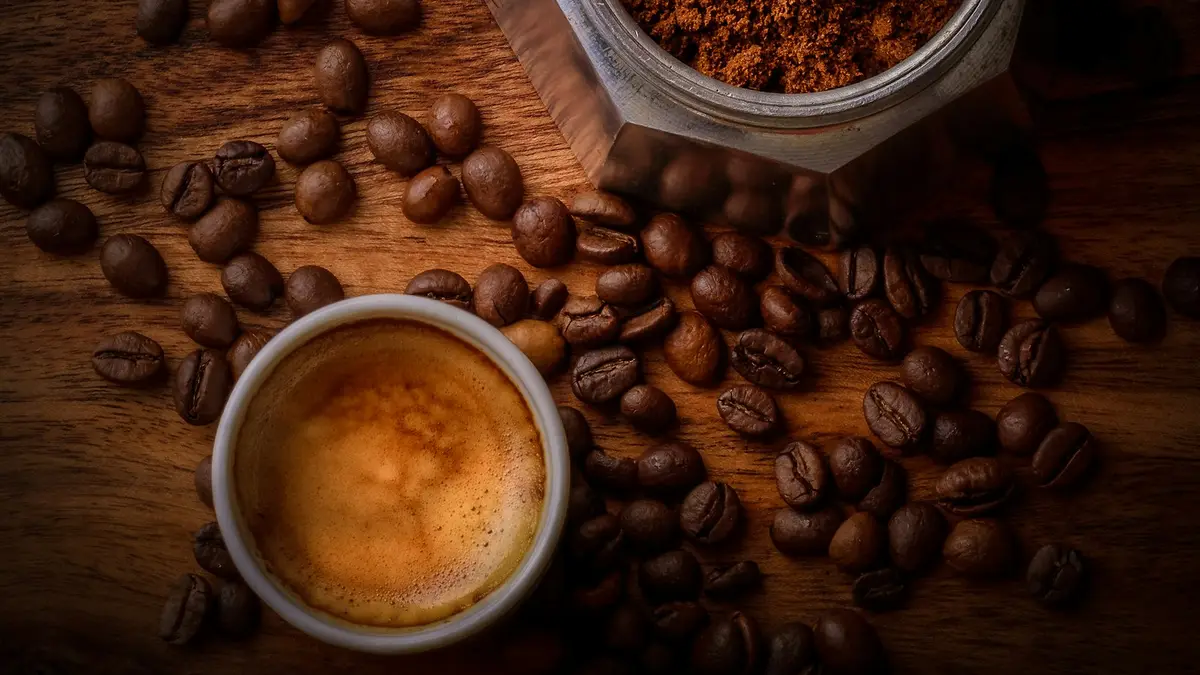
The trick to drinking black coffee without sugar is picking beans that aren't bitter in the first place. Here are the smoothest sugar-free options.
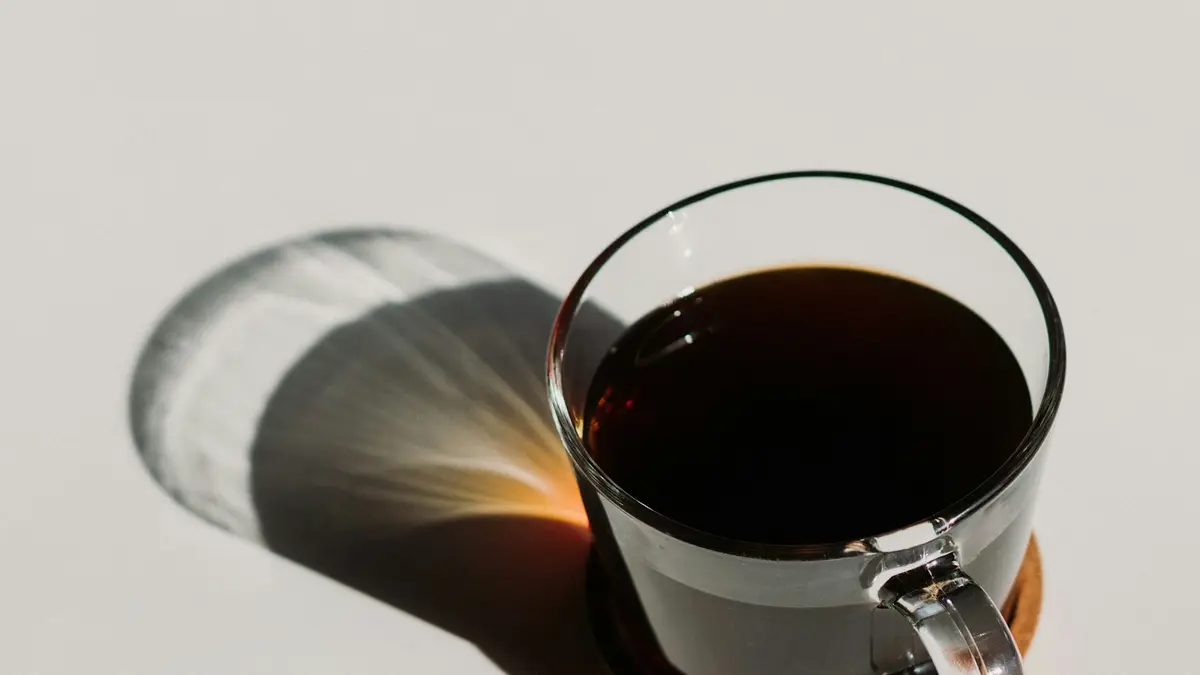
For night shifts, long drives and late deadlines, dose and timing beat brand. Here are the best coffees for staying awake without a hard crash.

No coffee burns belly fat directly, but black coffee can make a calorie deficit easier to hold. Here's the honest version, and five coffees to use.

Caffeine gives a small, real bump to metabolic rate and fat oxidation. Here are the best black coffees to support a metabolism-focused routine.

Caffeine sharpens attention, reaction time and short-term recall. Here are the best coffees for focus, long study sessions and deep work - and how to dose them.

Chicory is a caffeine-free root added to filter coffee for body and a woody sweetness. Here's how it changes the cup and how much to use.
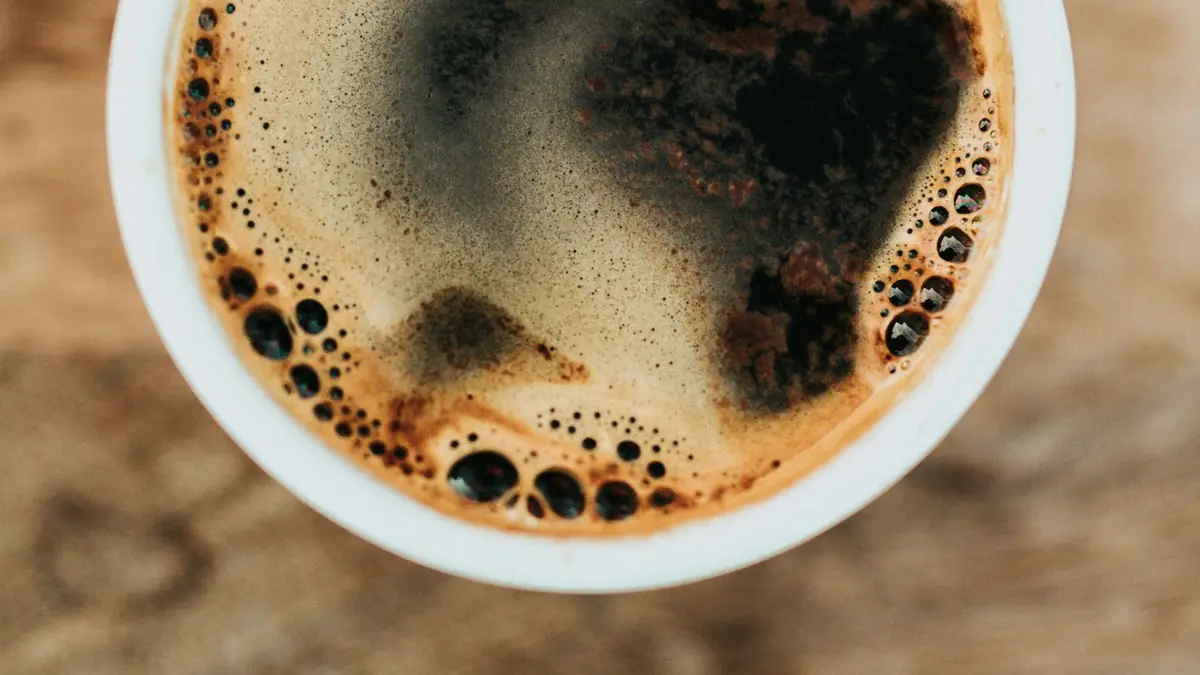
Robusta has roughly 2,400 mg caffeine per 100 g versus Arabica's ~1,300 mg - almost double. Here's what that means per cup and which coffees use more Robusta.
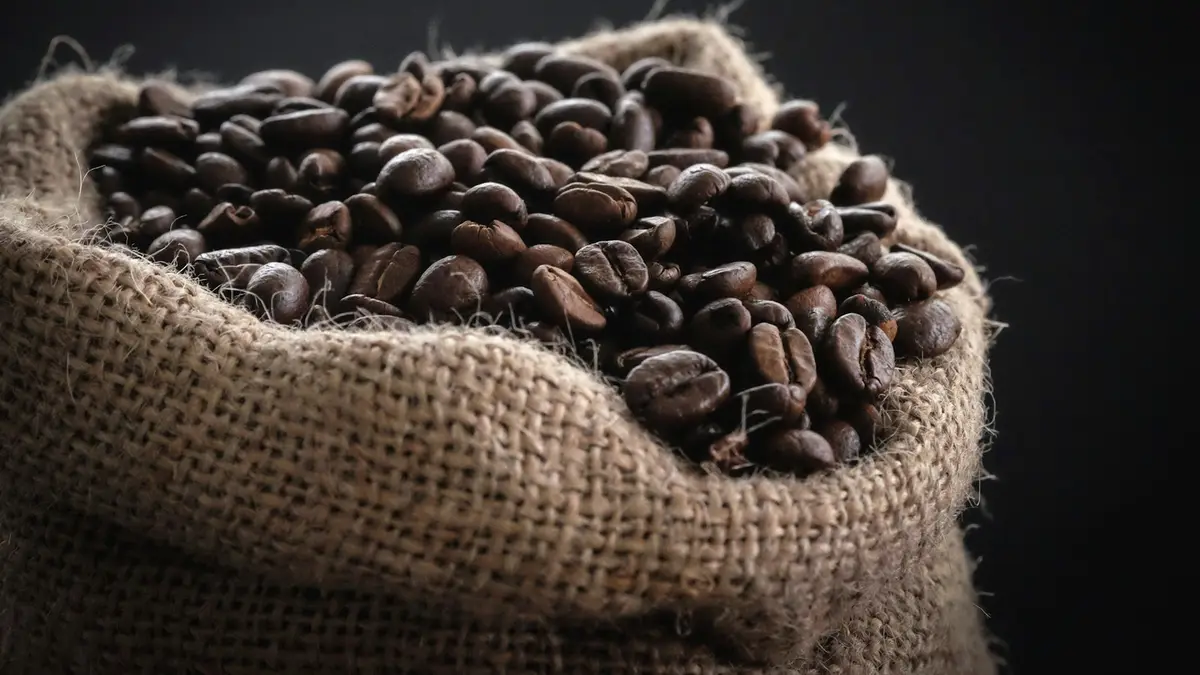
Arabica is smoother and more aromatic; Robusta is stronger, more bitter and higher in caffeine. Here's how they differ and when to pick each.

Strength comes from the bean (Robusta), the roast (dark) and the brew (more grounds, less water). Here are the strongest coffees in India.
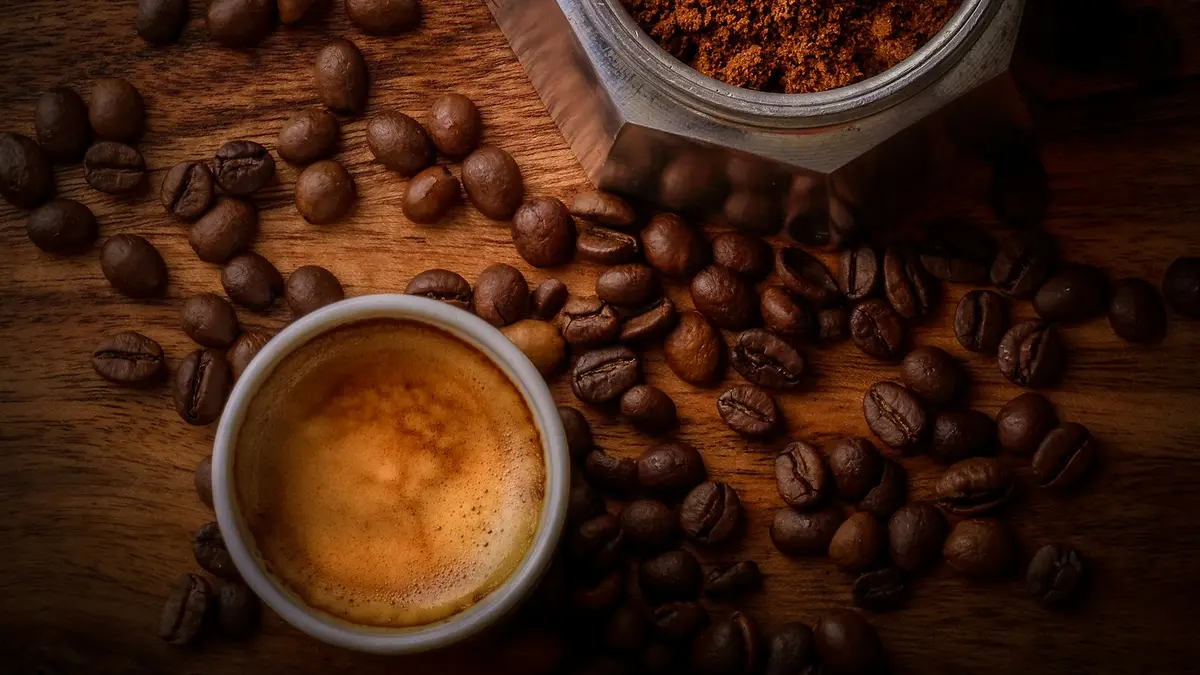
Some coffees taste good black and some need milk to hide behind. Here are the smoothest, least bitter coffees to drink black.

From pure Arabica to classic Arabica-chicory blends, here are the best filter coffee powders in India, with notes on strength, chicory ratio and price.

South Indian filter coffee lives or dies by the powder. Here are the best filter coffee blends in India and how to get a strong, sweet decoction.
India grows some of the world's best shade-grown Arabica and Robusta. Here's how to choose beans by roast, origin and brew method, with picks.

The best black coffee is one you enjoy without milk or sugar. Here are the black coffees worth buying in India, from everyday blends to single origins.
For steady energy through a long day, brew method and roast matter as much as the bean. Here are five coffees for a clean energy lift.
Robusta has roughly twice the caffeine of Arabica. These are the highest-caffeine coffees you can buy in India, and how to brew for maximum strength.
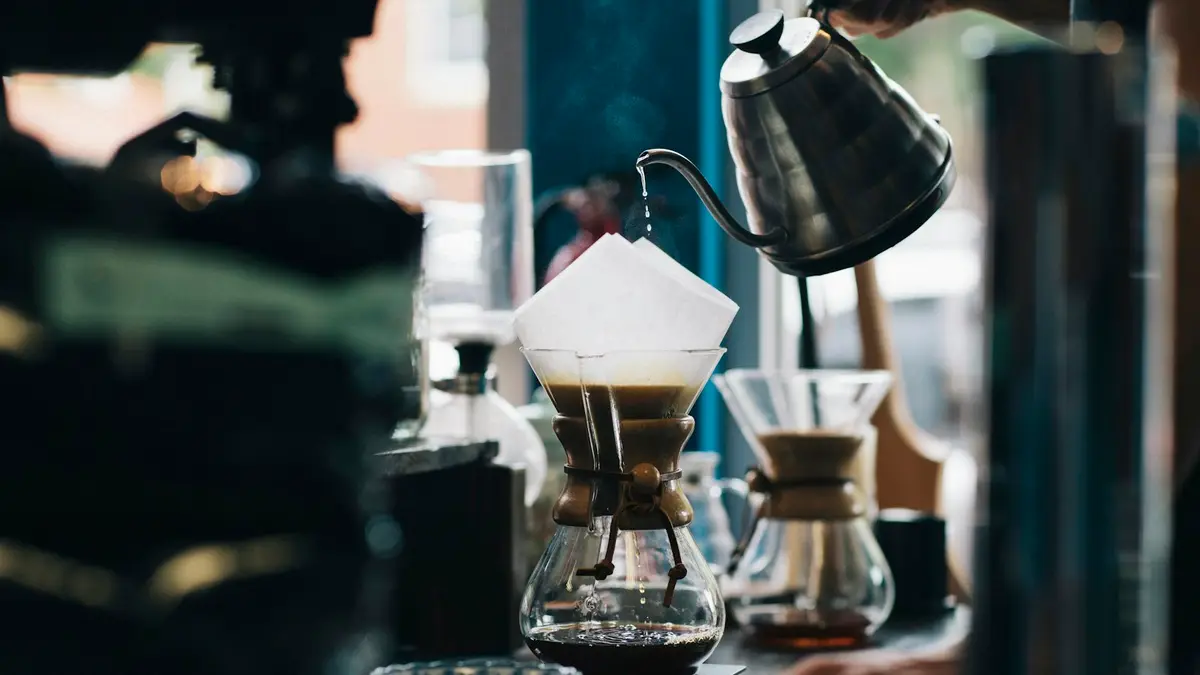
If you want the most caffeine per cup, Robusta-heavy blends and dark roasts brewed strong are the way. Here are five high-caffeine coffees.

Coffee 30-60 minutes before training improves endurance, focus and perceived effort. Here's the timing, the dose, and five coffees suited to it.
Caffeine is one of the most researched training aids there is. Here are five coffees that work well before a gym session, and how much to drink.

Black coffee is near zero-calorie and mildly boosts metabolism. Here are five black coffees that are easy to drink without sugar or milk, plus how to use them.

Fatty liver disease is linked to lower coffee consumption in several studies. Here's what the research says and the best black coffees to build into a daily routine.
Research links black coffee to better liver enzyme levels and lower risk of liver disease. Here are 5 black coffees worth keeping in your rotation.

A practical comparison of instant and brewed coffee - flavor, convenience, quality, and when each one shines.
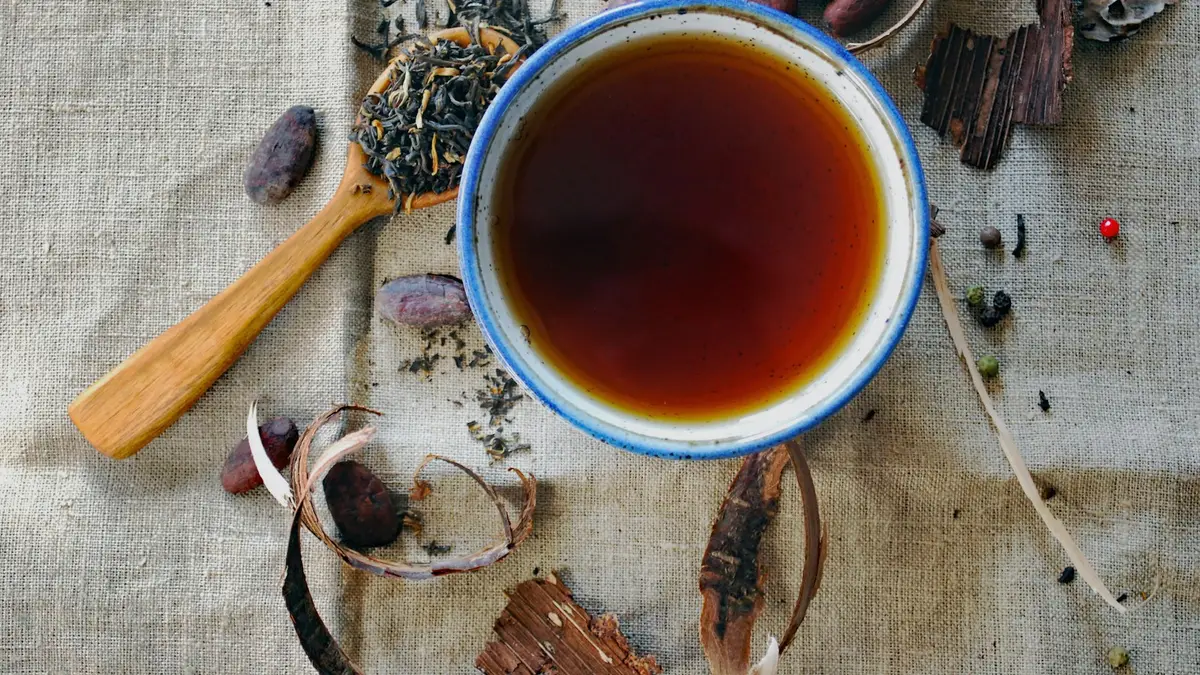
Explore the differences between CTC and loose leaf tea - how they're made, how they taste, and which to choose.
Master the art of tea brewing - the right water temperature, steeping times, and techniques for every type of tea.