
Chicory Coffee: Benefits and Downsides
Chicory adds fibre, cuts caffeine and mellows filter coffee - but too much can cause bloating. Here's the balanced view on chicory in coffee.

Chicory is a roasted root blended into filter coffee - most commonly in South India, at 20-30%. It changes the cup and, in small ways, the nutrition. This isn't medical advice, but here's the honest ledger.
Potential Benefits
- No caffeine. Every gram of chicory replaces a gram of caffeinated coffee, so a chicory blend is a lower-caffeine cup - useful in the afternoon or evening.
- Inulin (prebiotic fibre). Chicory root is one of the richest sources of inulin, a fibre that feeds gut bacteria. The amount in a cup of filter coffee is small but real.
- Gentler on the stomach. Many people find chicory blends less acidic and less harsh than straight coffee.
- Smoother, thicker cup with less bitterness - and it stretches your coffee, so it's cheaper per cup.
Downsides and Cautions
- Too much inulin causes bloating and gas. A normal cup is fine; drinking very strong, very high-chicory coffee all day can upset some people.
- Less caffeine cuts both ways - if you rely on the lift, a high-chicory blend won't deliver it.
- Not for everyone in pregnancy - some sources advise limiting chicory; check with a doctor.
- Flavour is an acquired taste if you're used to pure coffee.
Try It
Filter Coffee (70% Arabica, 30% Chicory)
The classic ratio - smooth, mellow, thick, lower caffeine.
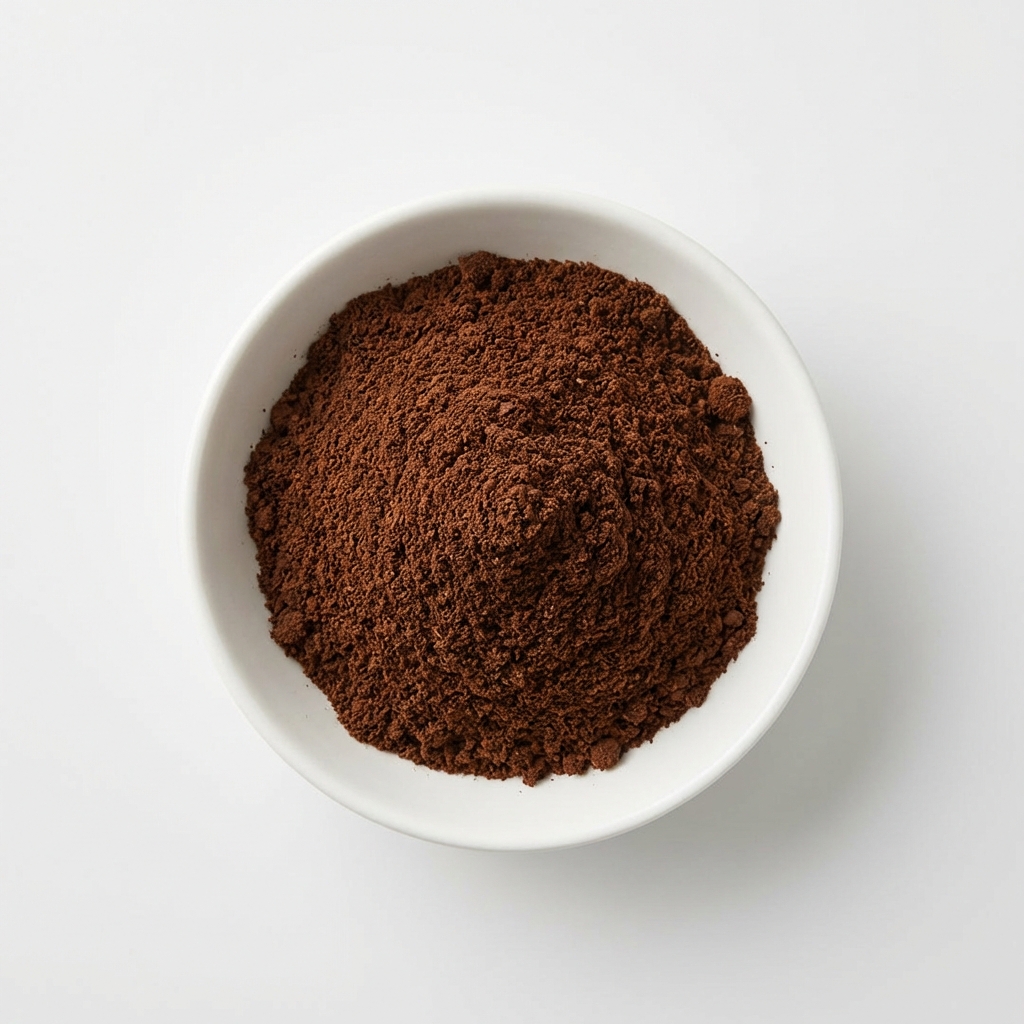
Caffeine: ~275 mg per 30 g cup70% coffee / 30% chicory
Filter Coffee (80% Arabica, 20% Robusta)
A no-chicory comparison - stronger and more caffeinated at the same brew.
Caffeine: ~455 mg per 30 g cup80% Arabica / 20% Robusta
Related Reading
Coffee vs Chicory, Best Filter Coffee Powder in India, and Is Filter Coffee Good for You?
Chicory coffee is lower-caffeine, smoother, and adds a little prebiotic fibre. The main downside - bloating from inulin - only shows up if you overdo it.