
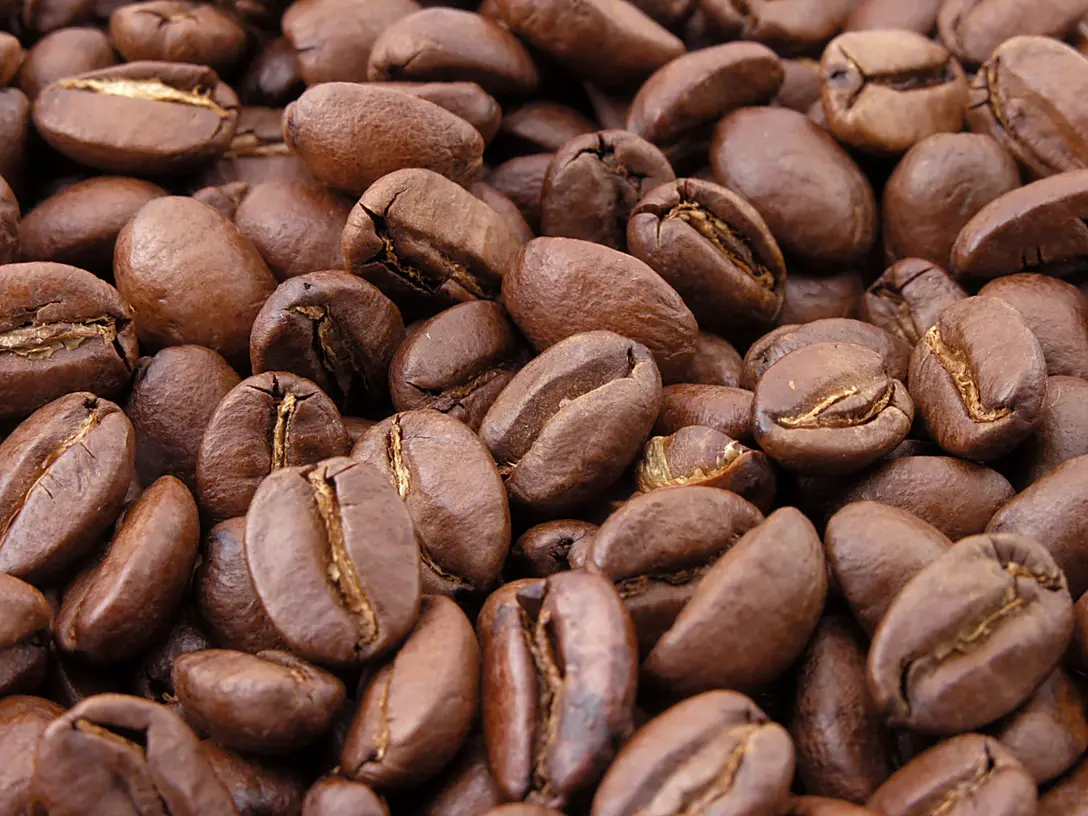
Karadykan Estate Coffee - Full City+ Roast, Ground for Moka Pot
Single-estate Arabica coffee from Karadykan Estate, grown under native shade cover with a clean, aromatic cup.
Full City+ roasted and ground for a moka pot. Stovetop brewing that produces a strong, espresso-like coffee.
₹560
₹2,240 / kg
Drink it well: don't have more than 25 g of ground coffee a day, and look after your electrolytes - we recommend bananas, citrus fruits, vegetables, dairy and plenty of water. Coffee keeps you energetic, but don't forget to have at least 2 meals a day.
Roasted only after you order - we don't hold coffee bean stock, so it's always freshly roasted.
We roast after we receive your order, and we dispatch within 2-10 days, depending on the orders we have.
Karadykan Estate coffee is grown under a native shade canopy, producing a clean, well-balanced cup with bright acidity and a smooth, aromatic finish.
Hand-picked and processed on the estate, each batch reflects the terroir of its high-altitude plantation.
Moka Pot
Stovetop brewing that produces a strong, espresso-like coffee.
- 1Fill the bottom chamber with hot water up to just below the pressure valve.
- 2Insert the filter basket and fill with medium-fine ground coffee, levelled but not tamped.
- 3Screw the top chamber on tightly and place the pot on medium heat with the lid open.
- 4Once coffee starts to sputter into the top chamber, remove from heat.
- 5Pour and serve immediately to avoid a burnt taste.
Tips
- • Starting with hot (not cold) water in the base reduces the time the grounds spend over heat, avoiding a bitter, over-extracted brew.
- • Never tamp the grounds in a moka pot - it restricts the water flow and can cause pressure build-up.
Reviews
Write a Review
Loading reviews…
Good to know

Flavour notes describe the tastes and aromas you might pick up in the cup - similar to tasting notes on wine or whisky. They come from the coffee's origin, processing method, and roast, and are a guide to what to expect rather than a guarantee of what you'll taste.
Coffee where the outer fruit skin and sticky pulp are completely removed from the coffee bean using water then the bean is dried.