
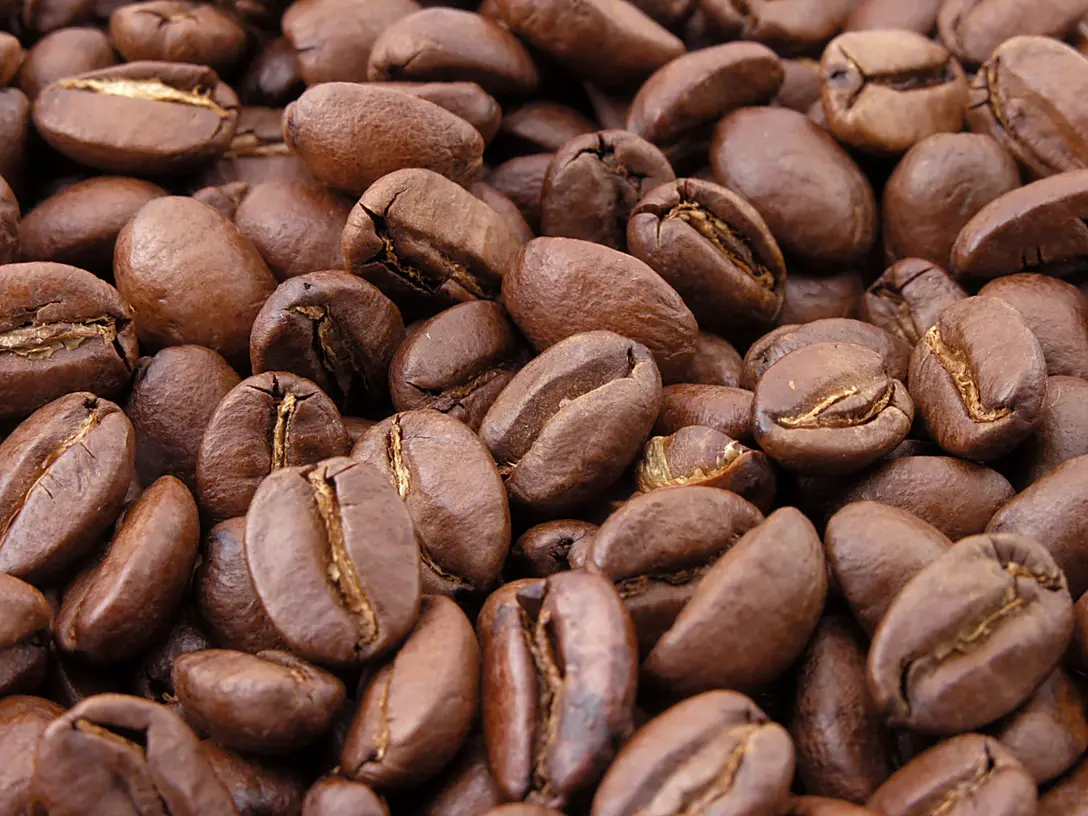
Biccode Estate Coffee - French Roast, Ground for South Indian Filter
Single-estate, washed-process Arabica SLN 795 from Biccode Estate - medium-intensity cup with lemon zest, cacao nibs, caramel and toasted notes.
French roasted and ground for a South Indian filter. Traditional slow-drip filter coffee, often served with milk and sugar.
₹515
₹2,060 / kg
Drink it well: don't have more than 25 g of ground coffee a day, and look after your electrolytes - we recommend bananas, citrus fruits, vegetables, dairy and plenty of water. Coffee keeps you energetic, but don't forget to have at least 2 meals a day.
Roasted only after you order - we don't hold coffee bean stock, so it's always freshly roasted.
We roast after we receive your order, and we dispatch within 2-10 days, depending on the orders we have.
Biccode Estate coffee is a washed-process Arabica of the SLN 795 varietal.
After hand-picking and selecting only ripe cherries, the coffee is pulped and rinsed with spring water, then dried on raised beds for 21 days with continuous movement for even airflow.
The result is a medium-intensity cup with notes of lemon zest, cacao nibs, caramel, and toasted flavours.

South Indian Filter
Traditional slow-drip filter coffee, often served with milk and sugar.
- 1Add 2–3 tbsp of fine-medium ground coffee to the upper filter chamber and press down gently with the disc (do not pack tightly).
- 2Pour hot water (just off the boil) slowly over the grounds until the chamber is full.
- 3Cover with the lid and let it drip through into the bottom chamber for 15–20 minutes.
- 4Mix the resulting concentrated decoction with hot milk and sugar to taste, or serve as-is over ice for a cold coffee.
Tips
- • Don't rush the drip by pressing the disc down hard - slow extraction is what gives filter coffee its distinct flavour.
- • The decoction keeps well in the fridge for a couple of days, so you can filter a batch in advance.
Reviews
Write a Review
Loading reviews…
Good to know

Flavour notes describe the tastes and aromas you might pick up in the cup - similar to tasting notes on wine or whisky. They come from the coffee's origin, processing method, and roast, and are a guide to what to expect rather than a guarantee of what you'll taste.
Coffee where the outer fruit skin and sticky pulp are completely removed from the coffee bean using water then the bean is dried.