
Top 5 Black Coffees for Liver Health
Research links black coffee to better liver enzyme levels and lower risk of liver disease. Here are 5 black coffees worth keeping in your rotation, and how to brew them.
Coffee is one of the most studied beverages when it comes to liver health, and black coffee - no milk, no sugar - is where most of the benefit shows up. Multiple observational studies have linked regular coffee drinking to lower levels of liver enzymes (like ALT and GGT), a reduced risk of fatty liver disease, and even a lower risk of liver fibrosis and cirrhosis in people with existing liver conditions. Some research points to caffeine and plant compounds like chlorogenic acid as the drivers behind this effect.
Here are 5 black coffees worth keeping in your rotation, and why each one works for a daily black cup.
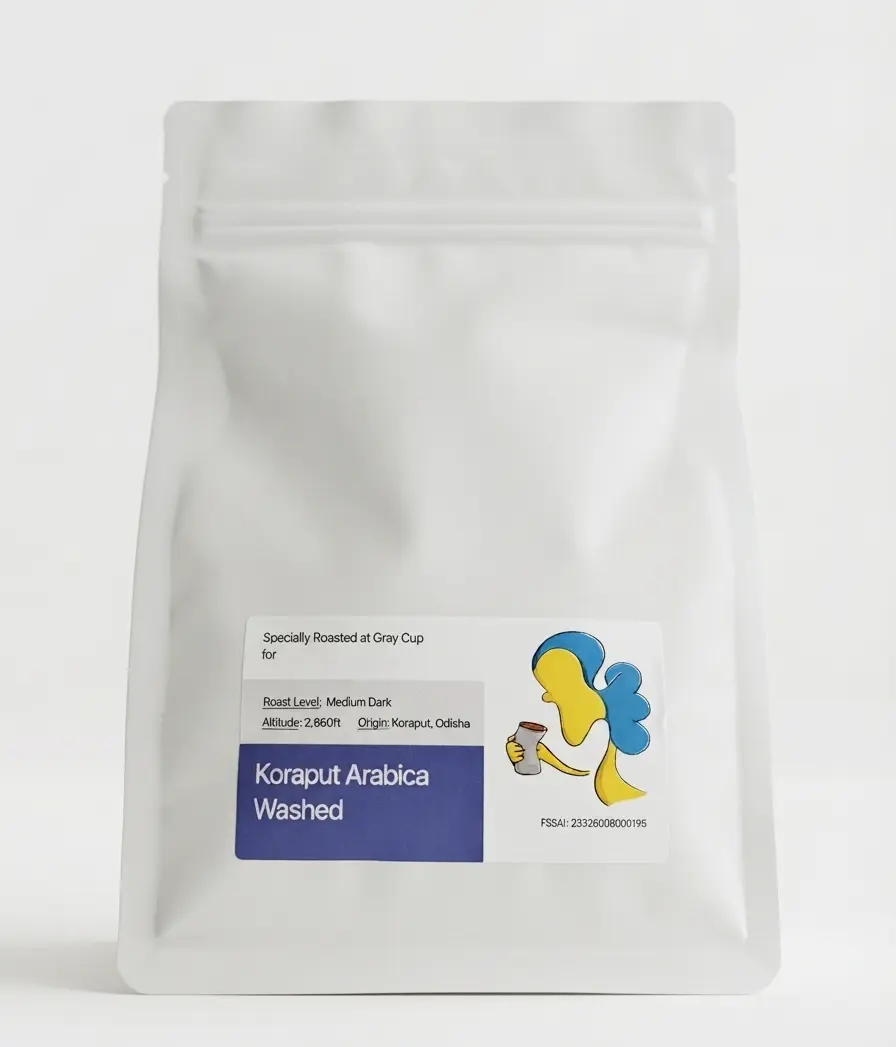
From ₹1,100
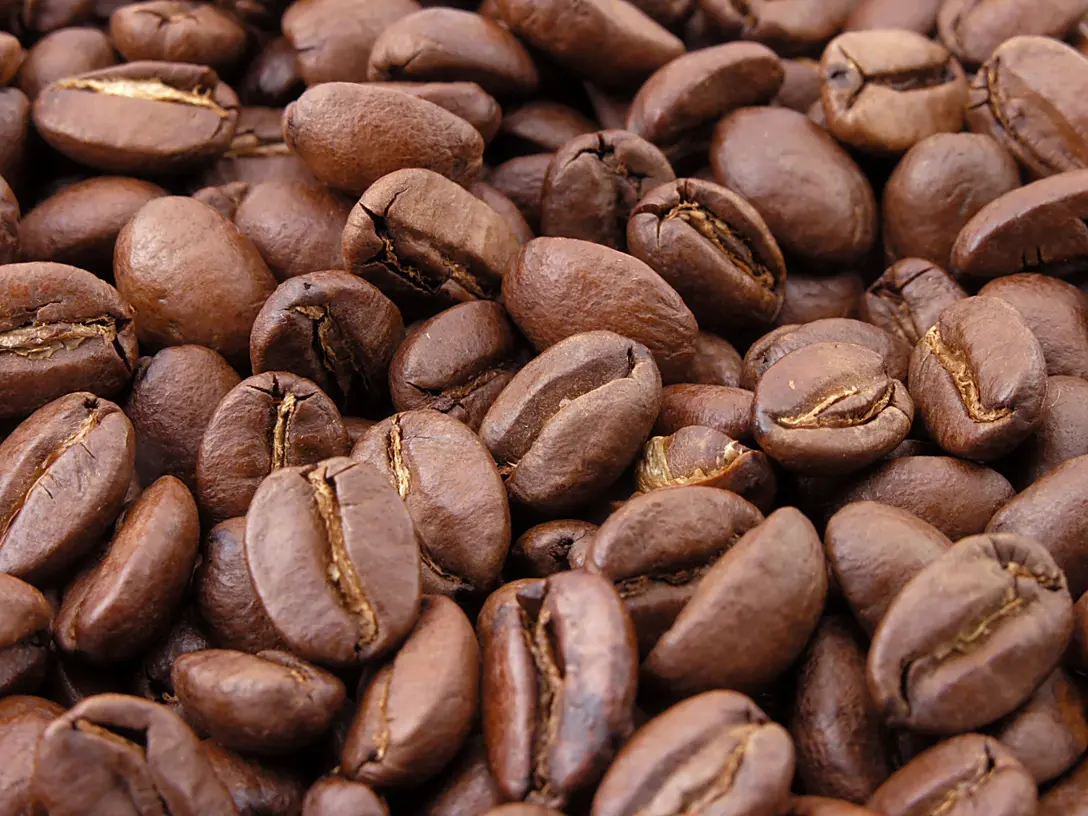
From ₹780
From ₹920
From ₹620
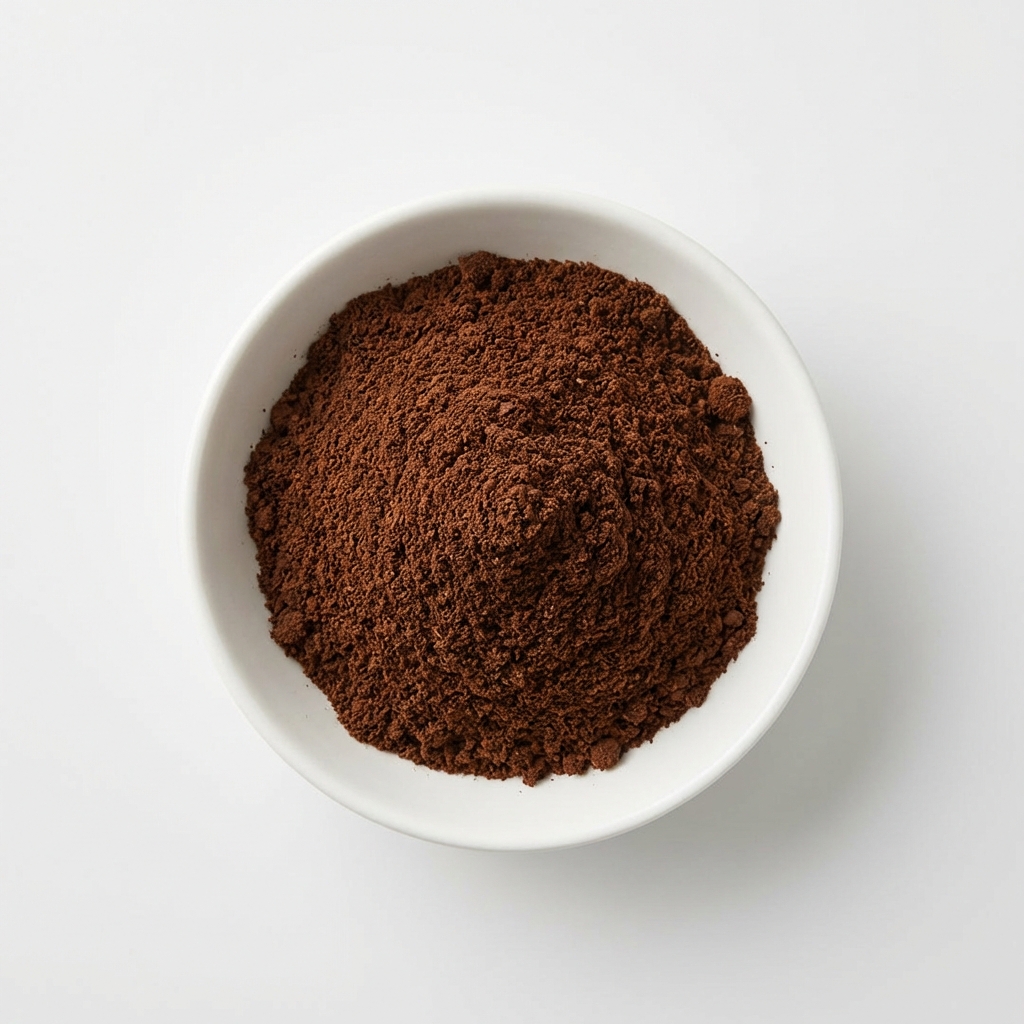
From ₹440
1. Koraput, Odisha Washed Coffee
A clean, bright single-origin from the hills of Koraput, Odisha. The fully washed process strips away the cherry skin and mucilage before drying, leaving a cup with well-defined acidity and none of the added fat or sugar that usually comes with a milk-based coffee. If you want your daily black coffee to actually taste good instead of just being medicine, this is where to start.
From ₹1,100
2. Karadykan Estate Coffee
Grown under native shade cover, this single-estate Arabica has a clean, well-balanced cup with notes of chocolate, citrus, nutty and orange. It's smooth enough to drink black every day without feeling like a chore, which matters more than any single "superfood" coffee - the liver-health research is about consistent, regular intake, not one perfect cup.
From ₹780
3. Biccode Estate Coffee
A washed-process Arabica (SLN 795) with notes of lemon zest, cacao nibs, caramel and toasted flavours. It's a medium-intensity cup, which makes it easy to drink two or three black coffees through the day without the harshness of a darker roast - useful if you're trying to build black coffee into a habit rather than an occasional treat.
From ₹920
4. Halflong Assam Coffee
A single-origin Arabica from the North Cachar Hills of Assam, with mild acidity and a soft, earthy sweetness. It's gentler than most South Indian estate coffees, so it works well as an everyday black coffee for people who find brighter, more acidic cups hard on an empty stomach.
From ₹620
5. Basic Black Coffee
Our everyday, no-frills blend - smooth, balanced, and made to be brewed any way you like without fuss. If the goal is simply "drink black coffee consistently, without overthinking it," this is the most practical option: no single-origin ceremony, just a reliable cup you'll actually finish every day.
From ₹440
How Much Black Coffee Is Reasonable?
Most of the research showing a liver benefit looked at people drinking somewhere between 2 and 4 cups of coffee a day. More isn't necessarily better - past a certain point, added caffeine mostly just affects sleep and anxiety rather than adding further benefit. If you're new to drinking coffee black, start with one cup and build up gradually.
A Few Practical Notes
- Skip the sugar, go easy on the milk. The liver-health studies are about coffee itself, not coffee as a vehicle for sugar and cream.
- Ground coffee is a better choice than instant. Freshly brewed, ground coffee retains more of the chlorogenic acid and other plant compounds thought to drive the liver benefit - instant coffee loses some of these during processing. If liver health is your reason for drinking black coffee, brewing from ground beans is the more effective habit.
- Filter or pour-over both work. There's no strong evidence that brew method changes the liver benefit - it's more about total intake over time.
- Talk to a doctor if you have existing liver disease. Coffee is a helpful habit, not a substitute for medical care.
None of this is a reason to start drinking coffee if you don't already. But if black coffee is already part of your day, choosing beans you actually enjoy black - rather than only tolerating dark, bitter coffee out of duty - makes it far easier to keep the habit going.
This isn't medical advice, and coffee isn't a treatment for liver disease. But if you're already a coffee drinker, taking it black is a simple way to get the potential benefit without the added sugar and saturated fat that milk-heavy drinks bring along.