
Coffee and Sleep: How Late Is Too Late?
Caffeine has a 5-6 hour half-life, so an afternoon coffee is still working at bedtime. Here's how coffee affects sleep and when to have your last cup.

Caffeine works by blocking adenosine, the molecule that builds sleep pressure through the day. That's great at 10 am and a problem at 10 pm - because caffeine you drank in the afternoon is often still in your system.
The Half-Life Problem
Caffeine's half-life is roughly 5-6 hours in a healthy adult (longer if you're pregnant, on certain medications, or a slow metaboliser). So if you have 200 mg at 4 pm:
- ~100 mg is still active at 9-10 pm
- ~50 mg at 3-4 am
Even if you fall asleep fine, that residual caffeine reduces deep sleep and total sleep time - studies show measurable disruption from caffeine taken 6 hours before bed.
Practical Rules
- Last cup by early afternoon - around 2 pm if you're sensitive, 3-4 pm for most people, earlier if you sleep before 10.
- Count all sources - tea, cola, energy drinks, dark chocolate, pre-workout, some painkillers.
- Watch the total, not just timing - a big morning dose can still leave enough at night.
- If you sleep badly, cut afternoon coffee first before blaming anything else.
Lower-Impact Options
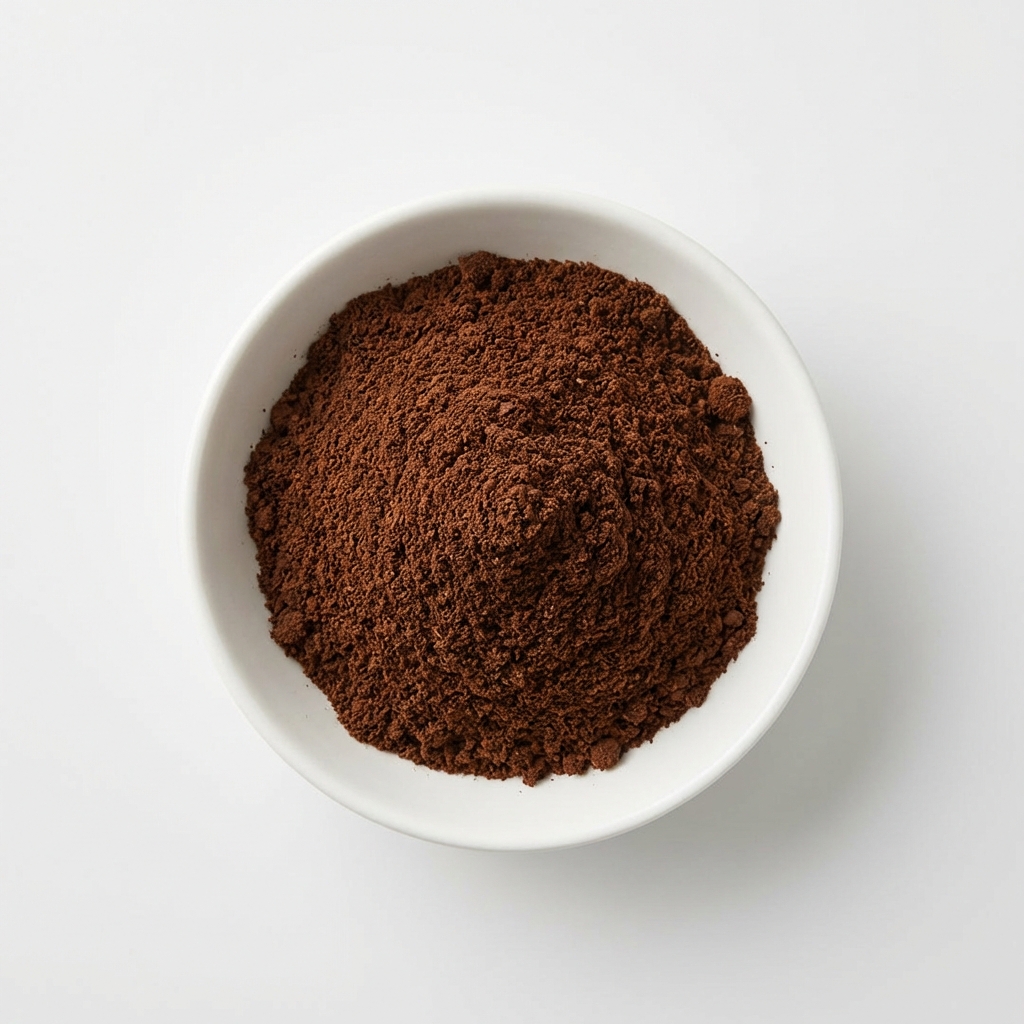
Filter Coffee (70% Arabica, 30% Chicory)
Chicory has no caffeine, so this blend delivers less per cup than a straight coffee - a gentler afternoon option.
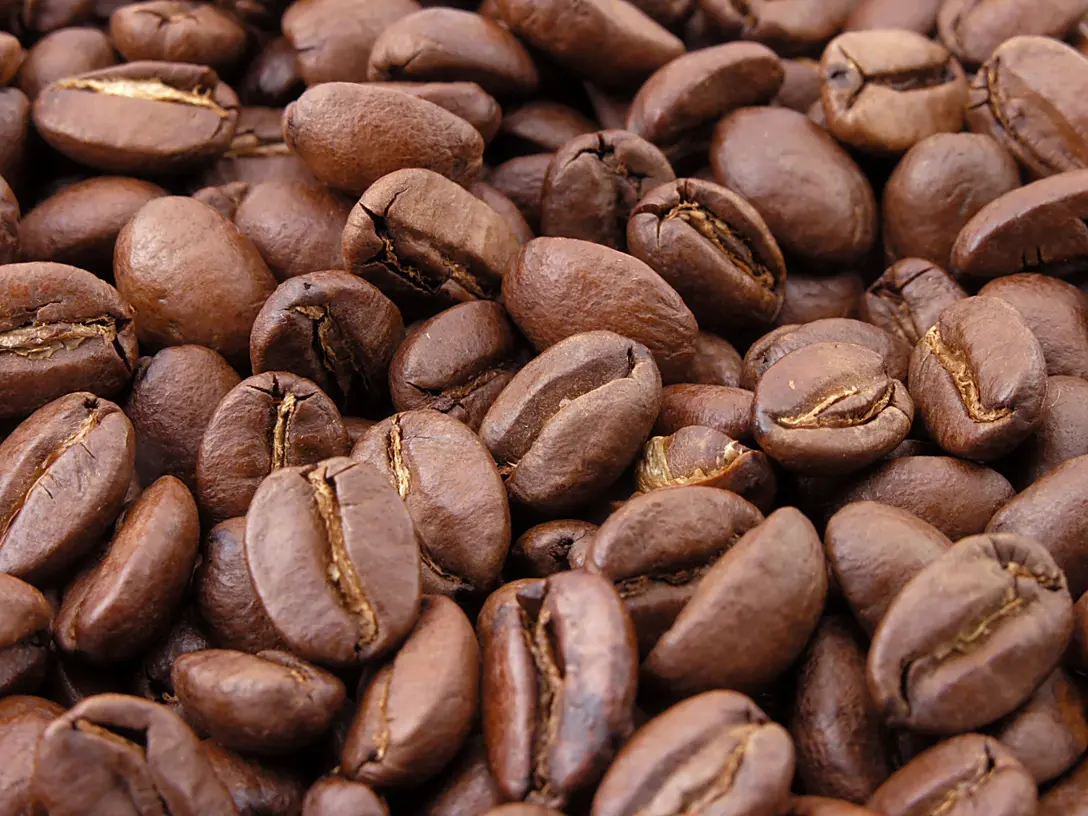
Halflong Assam Coffee
A pure-Arabica single origin - lower caffeine than a Robusta-heavy blend, and smooth enough to enjoy in a smaller afternoon cup.
From ₹620
Related Reading
Best Time to Drink Black Coffee, How to Reset Your Caffeine Tolerance, and How Much Caffeine Is in a Cup of Coffee?
Caffeine lingers 5-6 hours per half-life. Keep your last real coffee to early afternoon and count every source.