
How to Reset Your Caffeine Tolerance
If coffee has stopped working, your body has adapted. Here's how tolerance builds, whether a full detox is needed, and how to get the effect back.
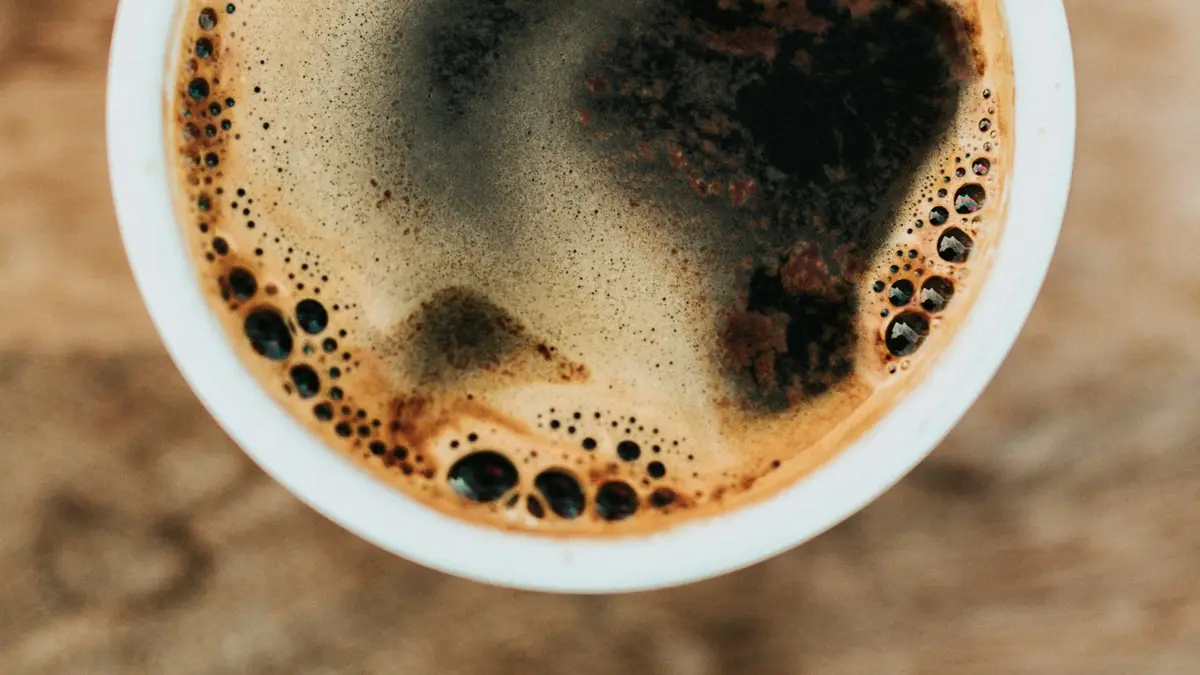
If your morning coffee doesn't do much any more, your body has adapted. With regular use, the brain grows more adenosine receptors, so the same dose blocks a smaller fraction of them. The alertness boost fades; what's left is mostly "not feeling withdrawal."
Do You Need a Full Detox?
Not necessarily. You have three options, from gentlest to most effective:
1. Cut back, don't quit
Drop to one cup a day, in the late morning only. Partial tolerance reverses in about a week, and you keep enough caffeine to avoid bad withdrawal.
2. Cycle it
Keep intake low on rest days or weekends so the "on" days hit harder. Common with people who want caffeine to work as a pre-workout.
3. Full reset (7-12 days off)
The most complete. Expect 2-4 days of headaches, fatigue, low mood and poor focus, easing after day 4-5. Receptor density returns toward baseline within 1-2 weeks. Taper down over a few days first to soften the withdrawal.
Coming Back
Restart at a lower dose than before - one cup, mid-morning - and hold it there. The point of resetting is wasted if you immediately climb back to four cups.
Halflong Assam Coffee
A lower-caffeine pure Arabica - a good "one good cup a day" coffee for keeping tolerance down.

From ₹620
Filter Coffee (70% Arabica, 30% Chicory)
Chicory replaces some coffee, so there's less caffeine per cup - useful while you keep intake low.
Related Reading
Coffee and Sleep: How Late Is Too Late?, Best Time to Drink Black Coffee, and How Much Caffeine Is in a Cup of Coffee?
You don't always need to quit - cutting to one late-morning cup restores most of the effect in a week. A full 7-12 day reset works best; taper in and restart low.