
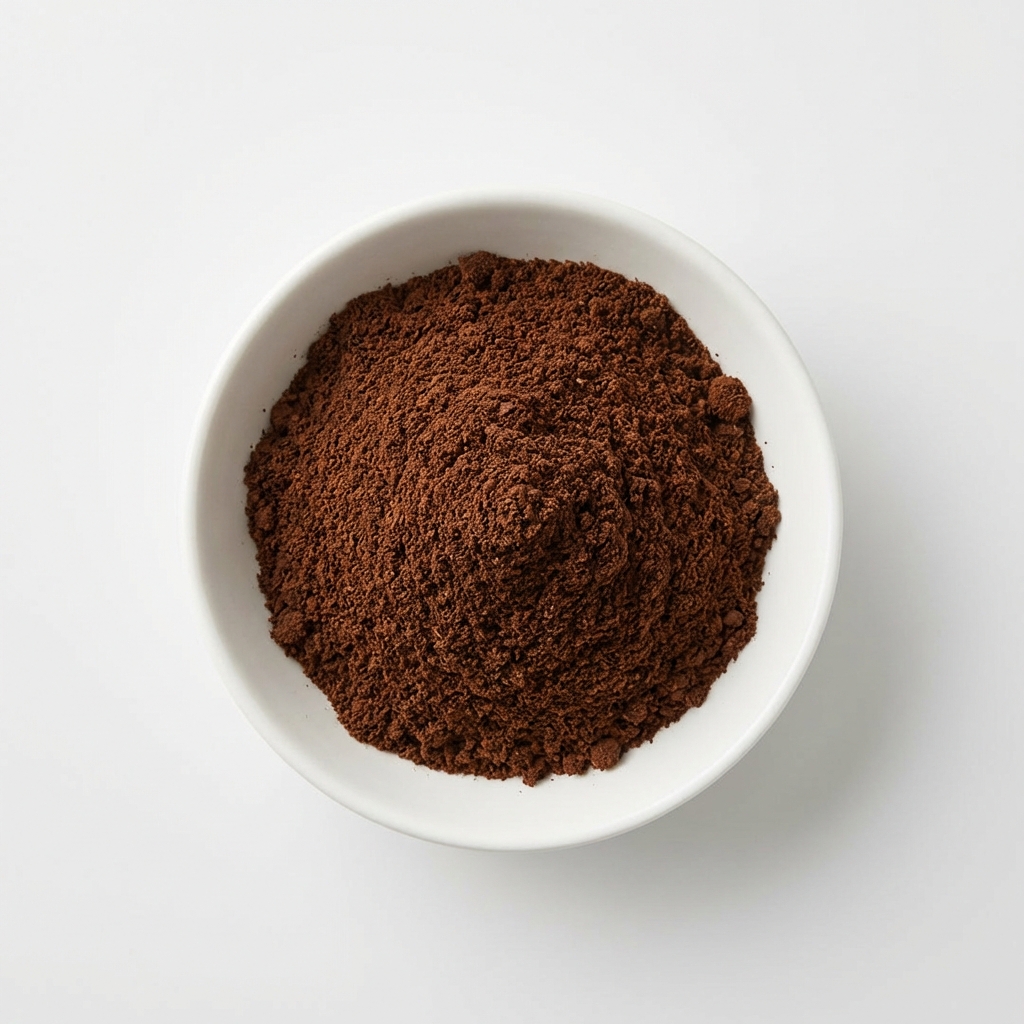
Filter Coffee (Pure Arabica) - City Roast, Ground for Moka Pot
100% pure Arabica filter coffee, ground fine for traditional South Indian filter brewing - no chicory, no blends.
City roasted and ground for a moka pot. Stovetop brewing that produces a strong, espresso-like coffee.
About 28 cups per 250g pack · ₹176 per 100g (250g pack)
₹440
₹1,760 / kg
Drink it well: don't have more than 25 g of ground coffee a day, and look after your electrolytes - we recommend bananas, citrus fruits, vegetables, dairy and plenty of water. Coffee keeps you energetic, but don't forget to have at least 2 meals a day.
Roasted only after you order - we don't hold coffee bean stock, so it's always freshly roasted.
We roast after we receive your order, and we dispatch within 2-10 days, depending on the orders we have.
Our pure Arabica filter coffee is made entirely from Arabica beans, with no chicory or Robusta added.
Ground fine for the traditional filter/decoction method, it produces a naturally sweet, aromatic cup with balanced acidity and none of the bitterness of chicory blends.
Pure Arabica Filter Coffee Powder (100% Arabica) is ground fine for a traditional South Indian filter and tastes naturally sweet and aromatic, with balanced acidity and none of the bitterness of chicory. It is 100% Arabica, with no chicory and no Robusta. It suits drinkers who take their filter coffee with less sugar, or black, and want to taste the coffee itself.
To brew, add 2 to 3 tablespoons to the upper chamber of a steel filter, press the disc down gently, pour hot water just off the boil and let it drip for 15 to 20 minutes. Mix the decoction with hot milk and sugar. A 250g pack makes about 25 to 30 small filter coffees.
We roast it medium and only after your order is paid, so it reaches you days from the roast, not months. Sourced from Chikmagalur and Coorg. Store the pack sealed, away from heat and light, and use it within a month or two of opening for the best taste. It comes in 250g, 500g and 1kg packs.
Is there chicory in it?
No. It has no chicory.
What grind does it come in?
South Indian Filter by default, which suits a steel filter. You can choose another grind or whole beans on this page.
How many cups does 250g make?
About 25 to 30 small filter coffees, at 8 to 10 g of powder per cup.
Can I drink it black?
Yes. Dilute the decoction with hot water for a black filter coffee, though it is usually served with milk.
Other filter coffee blends: Filter Coffee Powder 70:30 (Arabica + Robusta) · Filter Coffee Powder 95:5 (Arabica + Robusta) · Filter Coffee Powder 90:10 (Arabica + Robusta) · Filter Coffee Powder 80:20 (Arabica + Robusta) · Custom Arabica Robusta Filter Coffee Powder · Custom Arabica Robusta Filter Coffee Powder · Filter Coffee Powder 70:30 (Arabica + Chicory) · Filter Coffee Powder 90:10 (Arabica + Chicory) · Filter Coffee Powder 80:20 (Arabica + Chicory) · Filter Coffee Powder 70:30 (Arabica + Chicory) · Filter Coffee Powder 60:40 (Arabica + Chicory) · Filter Coffee Powder 50:50 (Arabica + Chicory) · All filter coffee powder
Moka Pot
Stovetop brewing that produces a strong, espresso-like coffee.
- 1Fill the bottom chamber with hot water up to just below the pressure valve.
- 2Insert the filter basket and fill with medium-fine ground coffee, levelled but not tamped.
- 3Screw the top chamber on tightly and place the pot on medium heat with the lid open.
- 4Once coffee starts to sputter into the top chamber, remove from heat.
- 5Pour and serve immediately to avoid a burnt taste.
Tips
- • Starting with hot (not cold) water in the base reduces the time the grounds spend over heat, avoiding a bitter, over-extracted brew.
- • Never tamp the grounds in a moka pot - it restricts the water flow and can cause pressure build-up.
Reviews
Write a Review
Loading reviews…
Good to know

Flavour notes describe the tastes and aromas you might pick up in the cup - similar to tasting notes on wine or whisky. They come from the coffee's origin, processing method, and roast, and are a guide to what to expect rather than a guarantee of what you'll taste.
Coffee where the outer fruit skin and sticky pulp are completely removed from the coffee bean using water then the bean is dried.