
Best Water for Coffee & Espresso Machines
Coffee is mostly water, so hard or heavily chlorinated water changes the taste - and can scale up an espresso machine. Here's what water to actually use.
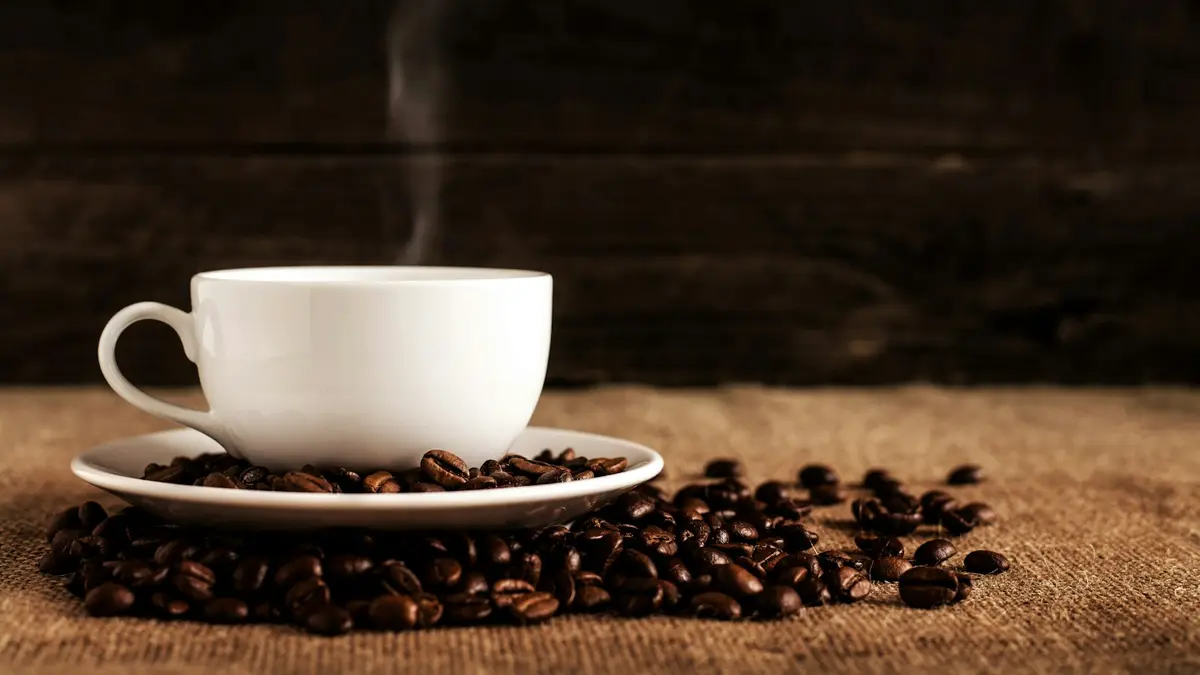
A cup of coffee is over 90% water, so whatever's in your water - minerals, chlorine, sediment - ends up in the taste more directly than most people expect. Getting the water right is a bigger lever than most equipment upgrades, and it's also the cheapest one.
Why Water Matters So Much
Coffee extraction depends on water dissolving flavour compounds out of the grounds, and that process is sensitive to what's already dissolved in the water itself:
- Chlorine and strong tap odours carry straight into the cup and can make even good coffee taste flat or slightly off.
- Very hard water (high mineral content) can taste chalky and also leaves scale behind in kettles, drip machines, and especially espresso machines' internal boilers.
- Very soft or completely mineral-free water can under-extract and taste oddly thin, since some minerals actually help draw flavour out of the grounds.
The sweet spot is water that's clean and odour-free with a moderate, not extreme, mineral content - which is exactly what a decent filter pitcher or tap-line filter gets you.
Filtered/Purified Water vs Distilled Water
These get used interchangeably but aren't the same thing, and the difference matters for espresso machines specifically:
- Filtered or purified water (through a pitcher filter, inline cartridge, or built-in fridge filter) removes chlorine, sediment, and some hardness while leaving a reasonable mineral balance. This is generally the recommended choice for both taste and machine longevity.
- Distilled water has had essentially all minerals stripped out. It's commonly cited as something to avoid for long-term use in espresso machines, since the near-total lack of minerals and buffering can behave differently with some machines' internal components over time. This is a general guideline rather than a fact that applies identically to every machine - manufacturer recommendations vary, so if you own a machine with a specific water spec, that spec takes priority over general advice.
If you're brewing with a simple pour-over, French press, or filter setup rather than a pump espresso machine, this distinction matters less - filtered tap water is a safe default either way.
What a Basic Water Filter Actually Does
- A filter pitcher (the jug-with-a-cartridge kind) runs tap water through activated carbon, which reduces chlorine taste and odour and some sediment. It's the simplest upgrade for drip coffee, pour-over, or French press.
- An inline or under-sink filter does a similar job but plumbed directly into a water line, which is more relevant if you're feeding an espresso machine that draws from a reservoir connected to your tap rather than a manually filled tank.
- A dedicated espresso machine water filter (often supplied by the machine manufacturer) is tuned to reduce hardness and chlorine while keeping a machine-appropriate mineral balance - if your machine has one available, it's usually the safest choice over generic filtration or distilled water.
The Practical Takeaway
For everyday brewing, filtered or purified tap water is the reliable middle ground - better tasting than straight tap water in most areas, and safer for machine longevity than pure distilled water. If in doubt, check your specific machine's manual, since water requirements are one of the few areas where manufacturers do give explicit guidance.
Related Reading
Coffee Grind Size Guide and How to Store Coffee cover two other basics - grind and freshness - that matter just as much as water quality.
Good coffee starts with good water: filtered over straight tap, and filtered over fully distilled if you're running an espresso machine day to day.