
Used Coffee Grounds for Plants: Does It Work?
Used coffee grounds aren't a magic fertiliser, but they do help some plants and compost heaps. Here's what they actually do and how to use them safely.

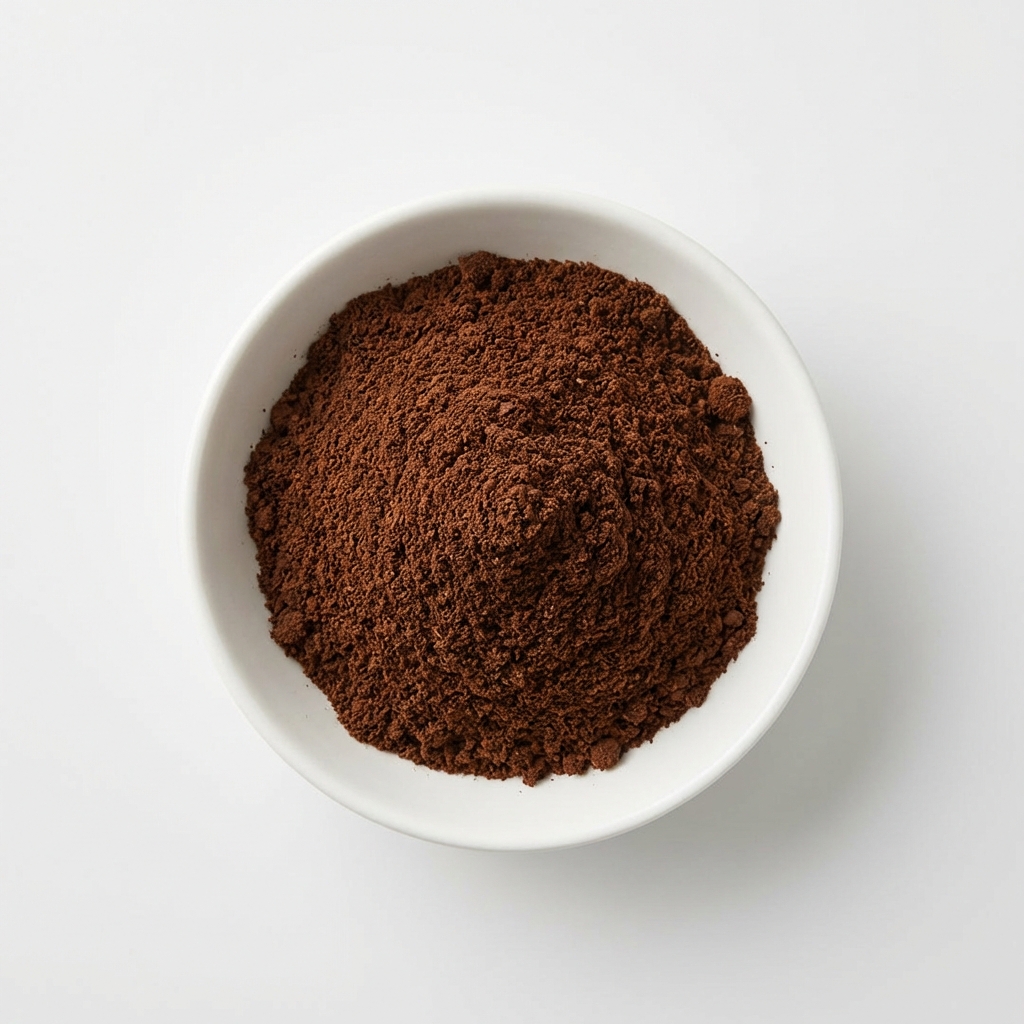
If you've searched "used coffee pods for plants," you've probably seen two opposite claims: that spent grounds are a free miracle fertiliser, or that they're useless and even harmful. The truth is more modest than either - grounds from pods, drip filters, or a French press can genuinely help your garden a little, but they're not a substitute for real fertiliser or compost.
What Used Coffee Grounds Actually Do
- A mild, slow-release nitrogen source. Used grounds still contain some nitrogen, but it's tied up in organic matter and released slowly as soil microbes break it down - not an instant feed the way a liquid fertiliser is.
- A slight, gradual acidifying effect on soil over time. This is genuinely useful for acid-loving plants like azaleas, camellias, hydrangeas, and blueberries, but it's not something you want if you're growing plants that prefer neutral to alkaline soil.
- Some improvement to soil structure and microbial activity when composted, similar to other organic matter.
What they don't reliably do is repel pests, feed plants on their own, or replace balanced fertiliser - claims you'll see repeated online without much solid backing.
How to Use Them Without Causing Problems
The biggest mistake is piling fresh or used grounds thickly directly on top of soil. A thick, compacted layer of grounds can mat together, block water and air from reaching the roots, and in humid conditions grow surface mould. The better approaches:
- Compost them first, mixed with other browns and greens, rather than applying straight to soil.
- If applying directly, use a thin layer (roughly a quarter-inch or less) worked lightly into the top of the soil, not left as a solid crust.
- Rinse pod-based grounds if the pod material or any residual flavouring/additives could be a concern for edible plants.
A Caution on Overuse
Coffee grounds contain caffeine and tannins, and in large, repeated quantities these can build up in soil and become mildly inhibitory to some plants' growth - it's the classic "if a little helps, more must help more" mistake. Treat grounds as an occasional soil amendment or compost ingredient, not a primary feeding strategy, and you'll get the modest benefit without the downside.
From ₹540
Used coffee grounds are a genuine "helps a little" garden habit - composted or thinly applied, they're a fine way to put your used pods and filters to work, just don't expect them to replace proper fertiliser or compost.