Coffee vs Green Tea: Which Is Better for Energy?
Coffee has 2-3 times the caffeine of green tea, but green tea's L-theanine gives a calmer lift. A side-by-side on caffeine, focus, crash and health so you can pick the right cup.
This is general information, not medical advice.
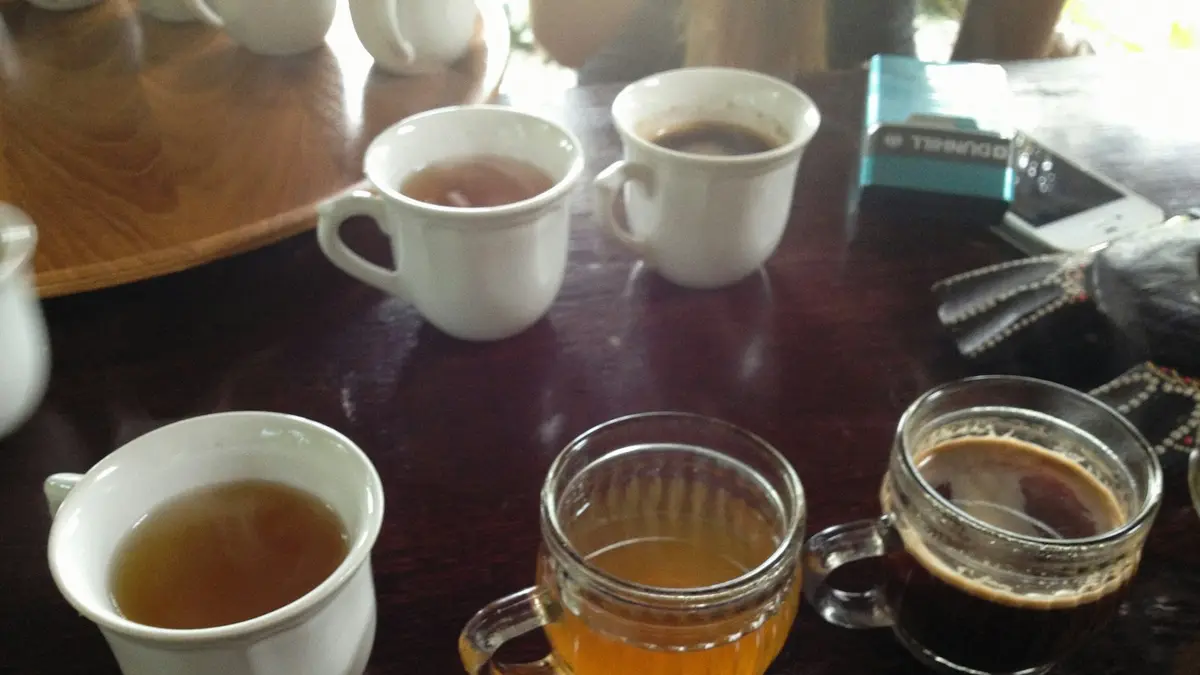
Short answer: coffee gives you a bigger, faster lift. A cup has 2-3 times the caffeine of green tea. Green tea gives a smaller, steadier lift, partly thanks to L-theanine, an amino acid that may take the edge off caffeine. Neither is "better" for everyone. It depends on how much energy you need and how well you handle caffeine.
Side by Side
| Coffee (240 ml) | Green tea (240 ml) | |
|---|---|---|
| Caffeine | 80-120 mg | 25-45 mg |
| How fast it kicks in | 15-45 minutes | 20-60 minutes, gentler |
| L-theanine | None | Roughly 5-20 mg, varies by tea |
| Feel | Strong alertness, can be jittery | Calm, focused, milder |
| Crash risk | Higher with big doses | Lower |
| Main antioxidants | Chlorogenic acids | Catechins (EGCG) |
| Effect on stomach | Can trigger acidity in some | Usually gentler, but strong tea on an empty stomach can cause nausea |
Why Coffee Hits Harder
It's mostly the dose. Caffeine blocks adenosine, the chemical that builds up during the day and makes you feel sleepy. More caffeine means more blocking and a stronger effect. A strong filter coffee or a Robusta-heavy cup can deliver 150 mg or more, which you'll feel quickly.
That's great before a workout, a long drive or a demanding morning. But a big dose can also bring jitters, a racing heart or an afternoon slump as it wears off.
Why Green Tea Feels Calmer
Green tea has less caffeine, and it also contains L-theanine. Studies suggest that L-theanine combined with caffeine can improve attention and reduce the "wired" feeling caffeine alone can cause. The amount of L-theanine in a normal cup is smaller than in most studies, so the effect is modest. Still, many people describe green tea energy as smoother.
What About Health?
Both drinks have good research behind them when taken plain:
- Coffee: large observational studies link moderate coffee drinking (around 3-4 cups a day) with a lower risk of type 2 diabetes, liver disease and some other conditions.
- Green tea: research links regular green tea drinking with heart health benefits, and its catechins are well-studied antioxidants.
Most of this is observational, meaning it shows a link, not proof of cause. And the benefits drop once you add lots of sugar.
One thing to note for both: tea and coffee can reduce iron absorption from food. India's ICMR-NIN guidelines suggest avoiding tea and coffee for an hour before and after meals. This matters especially if you're vegetarian or have low iron.
Which Should You Choose?
Pick coffee if you:
- Need a strong morning or pre-workout boost
- Handle caffeine well
- Enjoy the taste and ritual
Pick green tea if you:
- Get jittery or anxious on coffee
- Want gentle, steady focus for long work sessions
- Want an afternoon drink that won't hurt your sleep as much
Or use both: coffee in the morning, green tea after lunch. That gives you a strong start without loading up on caffeine late in the day. See coffee and sleep for why timing matters.
Want a Gentler Coffee?
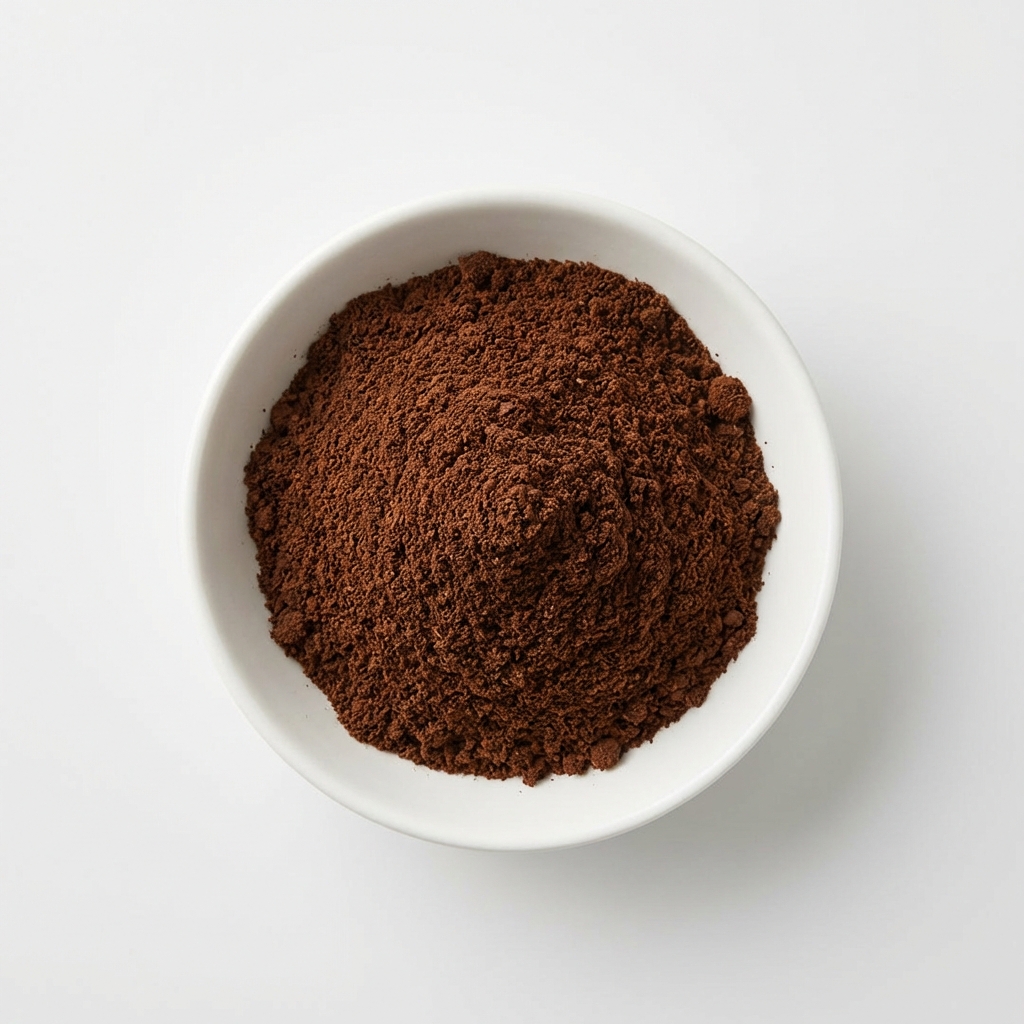
If you love coffee but find it too strong, choose 100% Arabica, which has about half the caffeine of Robusta. A chicory blend lowers it further.
From ₹440
The Bottom Line
Coffee gives a stronger, faster boost. Green tea gives a smaller, calmer one. If coffee makes you jittery, green tea or a lower-caffeine Arabica coffee may suit you better. Whatever you choose, keep total caffeine within about 400 mg a day. Our daily limit guide explains how to count it.
Sources
- Owen GN, et al. The combined effects of L-theanine and caffeine on cognitive performance and mood. Nutritional Neuroscience, 2008.
- Poole R, et al. Coffee consumption and health: umbrella review of meta-analyses of multiple health outcomes. BMJ, 2017.
- US FDA: Spilling the Beans: How Much Caffeine Is Too Much?
- ICMR-National Institute of Nutrition: Dietary Guidelines for Indians (2024)