
Espresso with Milk: Every Ratio Explained
A dash of milk vs steamed milk vs half-and-half - the amount and type of milk you add to espresso is what actually names the drink. Here's the full spectrum.
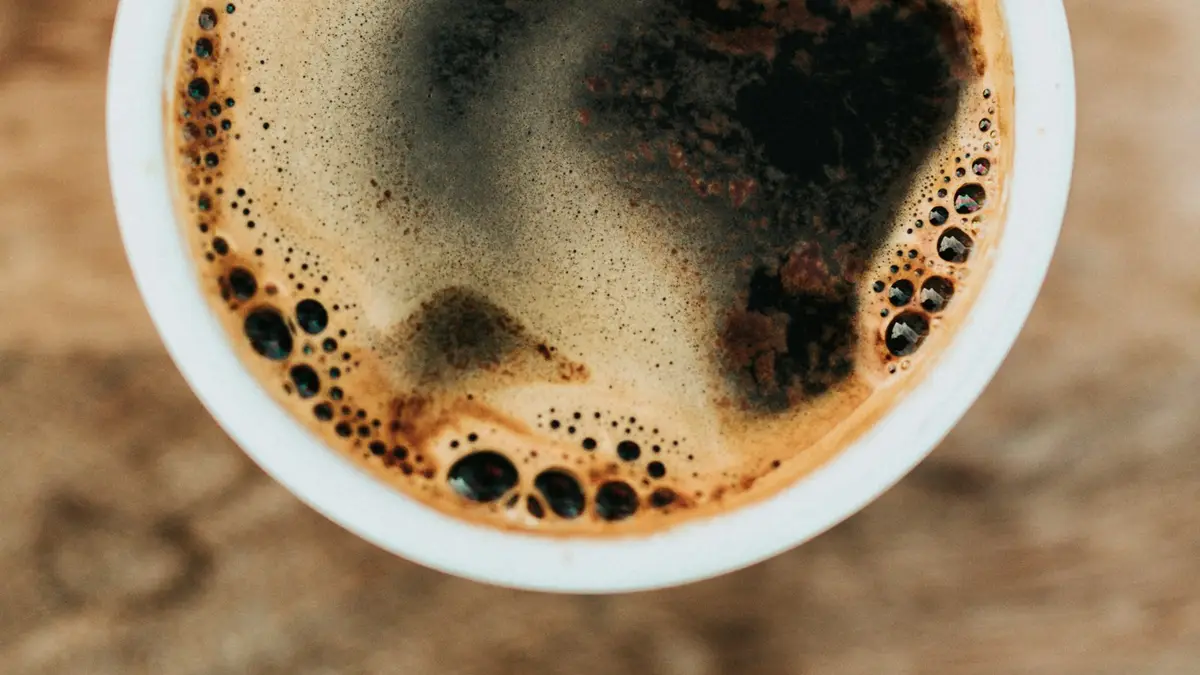
Espresso with a dash of milk, espresso with steamed milk, espresso with frothed milk, half espresso and half milk - these all describe real drinks, and the only thing separating them is how much milk you add and how it's prepared (hot vs steamed, flat vs foamed). There's no espresso-with-milk drink that isn't, structurally, just a point on this spectrum.
Treat the ratios below as ranges, not fixed rules - cafes and home baristas vary them, and the same drink name can mean slightly different ratios depending on where you are.
The Spectrum, Roughly
| Milk amount | Milk style | Roughly this drink |
|---|---|---|
| A dash / splash (a spoonful or two) | Hot or lightly steamed | Espresso macchiato-style - "stained" with milk, still mostly espresso flavour |
| About equal parts espresso and milk | Steamed, little to no foam | Cortado - milk cuts the acidity without hiding the espresso |
| Espresso + more steamed milk + a thin layer of foam | Steamed with light microfoam | Flat white - milk-forward but still tastes like coffee |
| Espresso + a larger volume of steamed milk + deeper foam | Steamed with more foam | Latte - the mildest, most milk-forward of the espresso drinks |
| Half espresso, half steamed milk by volume | Steamed, minimal foam | Sits around the cortado-to-flat-white range depending on cup size |
A few notes on reading this table:
- "Espresso with hot milk" or "espresso with cold milk" (unsteamed) isn't really a named cafe drink - it's closer to a homemade shortcut. It works fine as a quick drink but won't have the texture steaming gives you.
- "Frothed" vs "steamed" milk are often used loosely to mean the same thing, but technically frothing usually implies more air (more foam), while steaming can mean heating with only light foam. The amount of foam is what shifts a drink from flat-white territory toward cappuccino territory.
- A double espresso with milk just scales the espresso side up - keep whatever milk ratio you'd use for a single shot and roughly double both, or lean more milk-heavy if you want the same intensity in a bigger cup.
For the full breakdown of how cappuccino, latte, flat white, and mocha differ (including where cocoa fits in), see Latte vs Cappuccino vs Mocha rather than duplicating that here.
Which Coffee to Use
Because milk mutes and softens espresso's flavour, a blend with some Robusta or a slightly darker roast tends to come through better once milk is added than a delicate pure Arabica does.
Making These at Home Without a Café Machine
- A moka pot gives you a strong, espresso-like concentrate even without 9-bar pressure - use it as your base.
- Steam or heat your milk in a small pan or with a handheld frother, then decide your ratio from the table above based on how milk-forward you want the result.
- Start with less milk than you think - it's easy to add more, harder to make a diluted cup taste stronger again.
Related Reading
International Latte Styles looks at regional variations on milk coffee, and Coffee Grind Size Guide covers the grind you need for a proper espresso base.
There's no strict rulebook for espresso-and-milk drinks - just a sliding scale from "a dash of milk" to "mostly milk," and knowing roughly where a name sits on that scale is enough to order or make what you actually want.