
How to Cut Back on Coffee Without Headaches
Caffeine withdrawal headaches start 12-24 hours after your last cup and can last up to 9 days. A simple 3-4 week taper plan to drink less coffee without the pain.

This is general information, not medical advice. If you get severe or unusual headaches, or have a health condition, talk to your doctor.
Short answer: don't quit suddenly. Cut your caffeine by about a quarter each week over 3-4 weeks. Swap some cups for half-caf or decaf, drink enough water, and keep your sleep steady. Most people can cut back this way with little or no headache.
Why Quitting Coffee Gives You a Headache
Caffeine blocks adenosine, a chemical that makes you feel tired. With regular coffee, your brain adapts by adding more adenosine receptors. Caffeine also narrows blood vessels in the brain slightly.
When you suddenly stop, more adenosine gets through and those blood vessels widen. The result is the classic withdrawal headache, often with tiredness and low mood.
According to a widely cited review of caffeine withdrawal studies:
- Symptoms usually start 12-24 hours after your last cup
- They peak at 20-51 hours
- They can last 2-9 days
- Even people on around 100 mg a day, about one cup, can get them
Other symptoms include tiredness, trouble focusing, irritability, low mood and sometimes flu-like aches.
A Simple 4-Week Taper Plan
Say you drink 4 cups a day now.
| Week | Daily coffee | Tip |
|---|---|---|
| 1 | 3 cups | Drop the afternoon cup first |
| 2 | 2 regular cups + 1 half-caf | Mix half regular, half decaf |
| 3 | 1 regular cup + 1 half-caf | Keep your favourite morning cup |
| 4 | 1 cup, or 1 half-caf | Stay here, or go fully decaf |
If headaches show up, stay at that step for an extra week before cutting more. Slower is fine.
Ways to Make It Easier
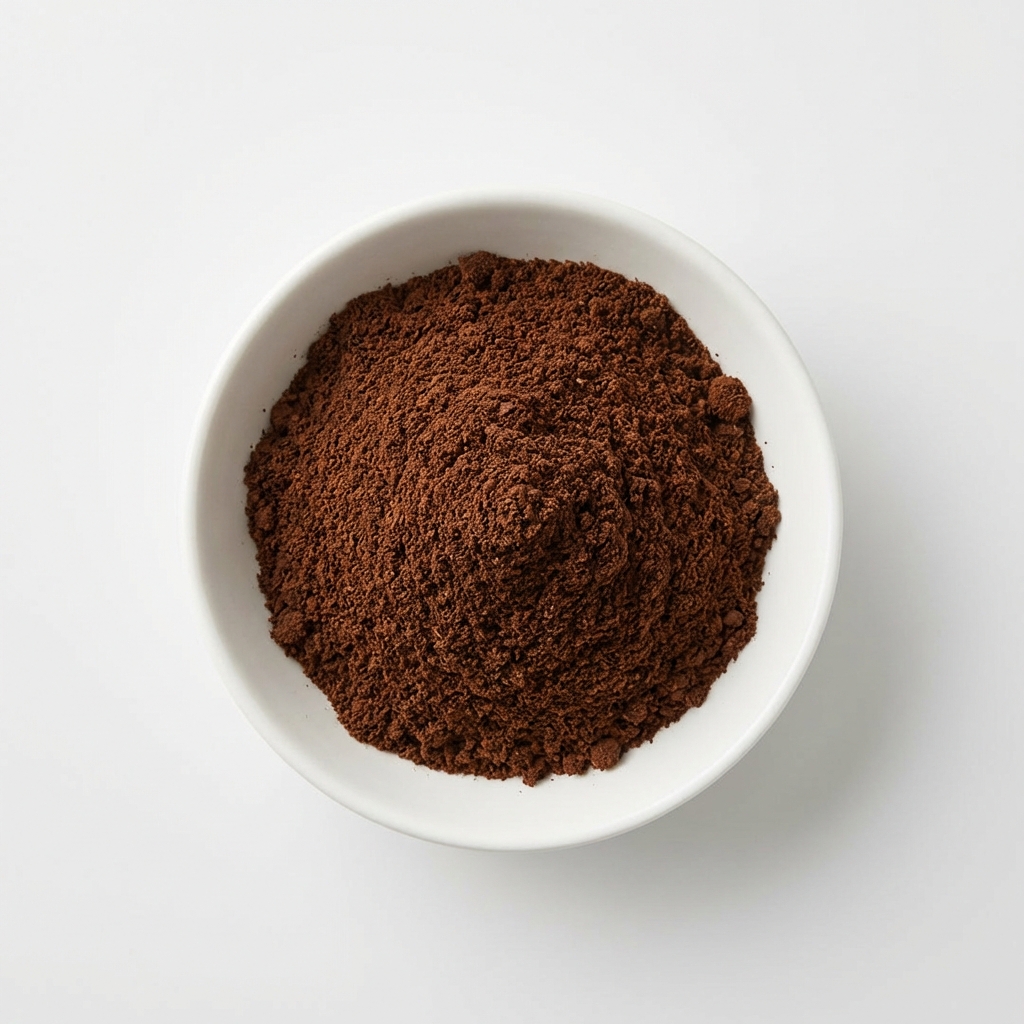
- Go half-caf. Mix regular and decaf grounds. You keep the ritual and the taste while cutting caffeine.
- Switch to Arabica. If you drink Robusta-heavy coffee, moving to 100% Arabica cuts caffeine roughly in half without changing your routine.
- Try a chicory blend. Filter coffee with 30-40% chicory has noticeably less caffeine per cup, because chicory has none.
- Use smaller cups. A tumbler instead of a big mug.
- Drink water. Dehydration makes headaches worse.
- Protect your sleep. Tiredness feels worse when you're short on sleep, which tempts you back to coffee.
- Move. A short walk helps with sluggishness.
- Use painkillers carefully. Check the label. Some headache tablets contain caffeine, which defeats the purpose.
How Low Should You Go?
You don't have to quit completely. For most healthy adults, up to 400 mg of caffeine a day is considered safe, and India's ICMR-NIN suggests about 300 mg. Cutting back makes sense if coffee affects your sleep, anxiety, stomach or heart rate, or if you're pregnant. See how much coffee is too much to find your number.
If you mainly want caffeine to work better again, a short break can help. Our caffeine tolerance reset guide covers that.
When to See a Doctor
See a doctor if your headaches are severe, last more than about 10 days, come with vision changes, weakness, confusion or a stiff neck, or feel different from your usual headaches.
The Bottom Line
Caffeine withdrawal headaches are common but avoidable. Cut back slowly over 3-4 weeks, use half-caf, Arabica or chicory blends to lower caffeine without losing your coffee, and look after sleep and water. Your body adjusts within a couple of weeks.
Sources
- Juliano LM, Griffiths RR. A critical review of caffeine withdrawal: empirical validation of symptoms and signs, incidence, severity, and associated features. Psychopharmacology, 2004.
- US FDA: Spilling the Beans: How Much Caffeine Is Too Much?
- ICMR-National Institute of Nutrition: Dietary Guidelines for Indians (2024)