
Is Cold Brew Healthier Than Hot Coffee?
Cold brew is smoother and often easier on the stomach, but it isn't automatically healthier. How cold brew and hot coffee compare on acidity, caffeine and antioxidants.

This is general information, not medical advice.
Short answer: not really. Cold brew and hot coffee are about equally healthy. Cold brew tastes smoother and less bitter, which many people find easier on the stomach. Hot coffee tends to have slightly more antioxidants. Pick the one you enjoy and drink it without much sugar. That matters more than the brew method.
How They're Made
- Hot coffee: hot water (about 90-96°C) extracts flavour in a few minutes.
- Cold brew: coarse grounds steep in cold or room-temperature water for 12-24 hours, then get filtered. It's usually made as a concentrate and diluted with water or milk.
The temperature changes which compounds dissolve. Hot water pulls out more acids and bitter compounds. Cold water extracts fewer of them, which is why cold brew tastes rounder and sweeter.
Acidity: Is Cold Brew Easier on the Stomach?
Cold brew tastes less acidic, and that's real. But the actual pH difference is small. A 2018 study in Scientific Reports found hot and cold brew coffees had similar pH levels (around 4.85-5.13). Hot brew had higher "titratable acidity", meaning more total acid compounds.
In practice, many people with sensitive stomachs say cold brew bothers them less. If coffee gives you acidity, it's worth trying. See does coffee cause acidity for more tips.
Caffeine: Which Has More?
It depends entirely on the recipe. Cold brew uses a lot of coffee, often 1 part coffee to 4-8 parts water for concentrate. Undiluted, it can have more caffeine than hot coffee. Diluted 1:1, it's often similar to a regular cup.
| Drink (240 ml) | Approximate caffeine |
|---|---|
| Hot brewed coffee | 80-120 mg |
| Cold brew, diluted | 100-200 mg |
| Cold brew concentrate, undiluted | 200 mg or more |
If you're watching caffeine, dilute cold brew well. Our daily limit guide explains how much is sensible.
Antioxidants
The same 2018 study found that hot coffee had higher antioxidant activity than cold brew. Coffee's main antioxidants, chlorogenic acids, dissolve better in hot water. The difference isn't huge, and both still provide them.
Where Cold Brew Can Get Unhealthy
The brew itself is fine. The extras are the problem. Café cold brews often come with sweet cream, syrups or condensed milk, which can add 20-40 g of sugar. Black cold brew, or with a splash of plain milk, keeps it healthy.
Also, keep homemade cold brew in the fridge and use it within about a week. It's brewed without heat, so hygiene matters.
Which Should You Choose?
Choose cold brew if you:
- Find hot coffee too bitter or acidic
- Like a smooth, slightly sweet taste without sugar
- Want iced coffee in hot weather
Choose hot coffee if you:
- Want slightly more antioxidants
- Prefer a quick cup, not a 12-hour wait
- Like brighter flavours
Beans for Cold Brew
A chocolatey, low-acid coffee works best for cold brew. Use a coarse grind.
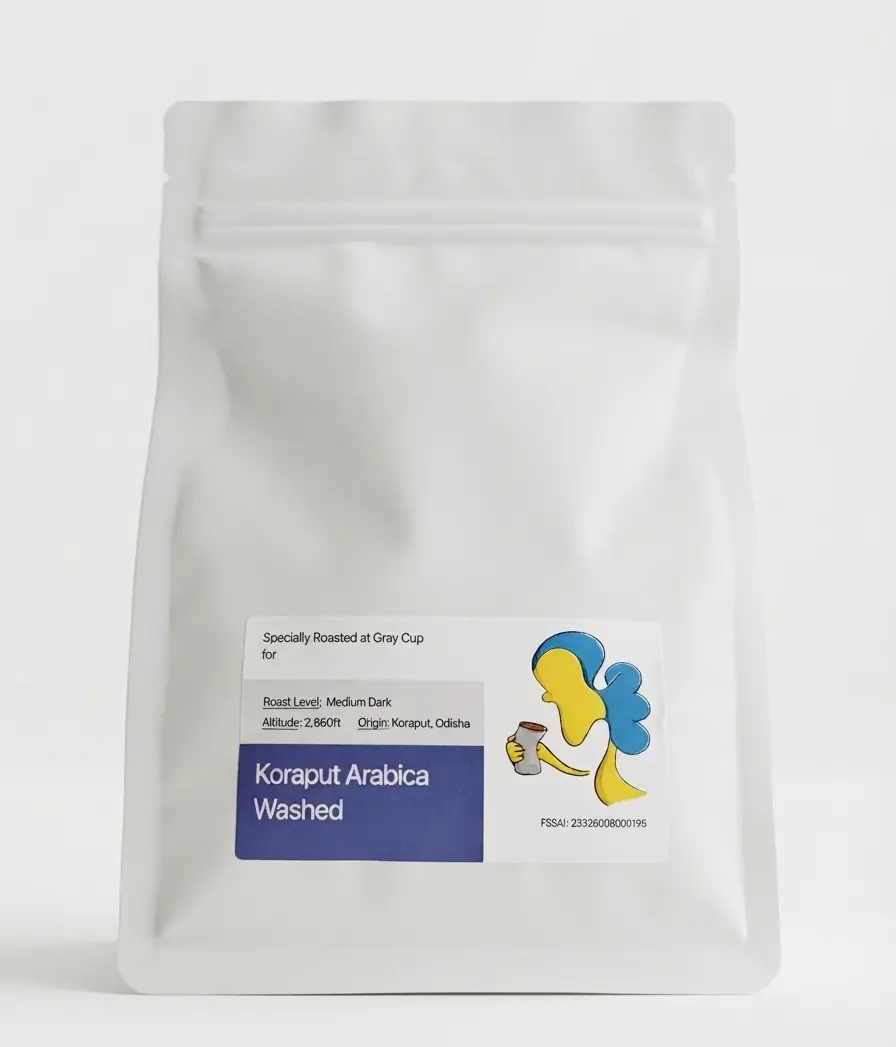
From ₹620
More options in our best coffee for cold brew guide.
The Bottom Line
Cold brew isn't healthier than hot coffee. It's different. It's smoother and often gentler on the stomach, while hot coffee has a slight edge on antioxidants. Drink whichever you enjoy, watch the caffeine in strong cold brew, and skip the sugary extras.
Sources
- Rao NZ, Fuller M. Acidity and Antioxidant Activity of Cold Brew Coffee. Scientific Reports, 2018.
- US FDA: Spilling the Beans: How Much Caffeine Is Too Much?