
Does Coffee Cause Acidity? Tips for Sensitive Stomachs
Coffee doesn't give everyone acidity, but it can trigger heartburn in some people. What the research says, and 8 practical ways to keep drinking coffee comfortably.

This is general information, not medical advice. If you have frequent heartburn, stomach pain, or acidity that wakes you at night, see a doctor. These can be signs of GERD, gastritis or an ulcer that need proper treatment.
Short answer: coffee doesn't cause acidity for everyone. For many people it's fine. But in some, coffee can trigger heartburn, a sour taste or a burning stomach, especially on an empty stomach or with a very strong cup. The good news is that small changes usually fix it, so you don't have to give up coffee.
Why Coffee Can Upset Your Stomach
Three things are going on:
- It stimulates stomach acid. Coffee, including decaf, prompts the stomach to release acid and the hormone gastrin. That's normal digestion, but it can bother a sensitive stomach.
- It may relax the valve at the top of the stomach. Some studies show caffeine can loosen the lower oesophageal sphincter, the muscle that keeps acid down. When it relaxes, acid can rise into the food pipe, which is what you feel as heartburn.
- It speeds up the gut. That's why coffee "gets things moving". In sensitive people it can also cause cramps or a loose stomach.
Coffee's own acidity is milder than people think. Brewed coffee has a pH of about 4.8-5.1, much less acidic than orange juice or cola. The stomach's own acid is far stronger.
What the Research Actually Says
The link between coffee and acid reflux is mixed. A 2014 meta-analysis of 15 studies found no significant link between coffee drinking and reflux disease (GERD) overall. Other studies, and many people's own experience, show coffee can trigger symptoms in certain individuals.
So the honest answer is: it depends on you. If coffee gives you acidity, take that seriously. If it doesn't, there's no reason to worry.
8 Ways to Drink Coffee With a Sensitive Stomach
- Don't drink it on an empty stomach. Have it with or after breakfast. Food buffers stomach acid. See coffee on an empty stomach for more.
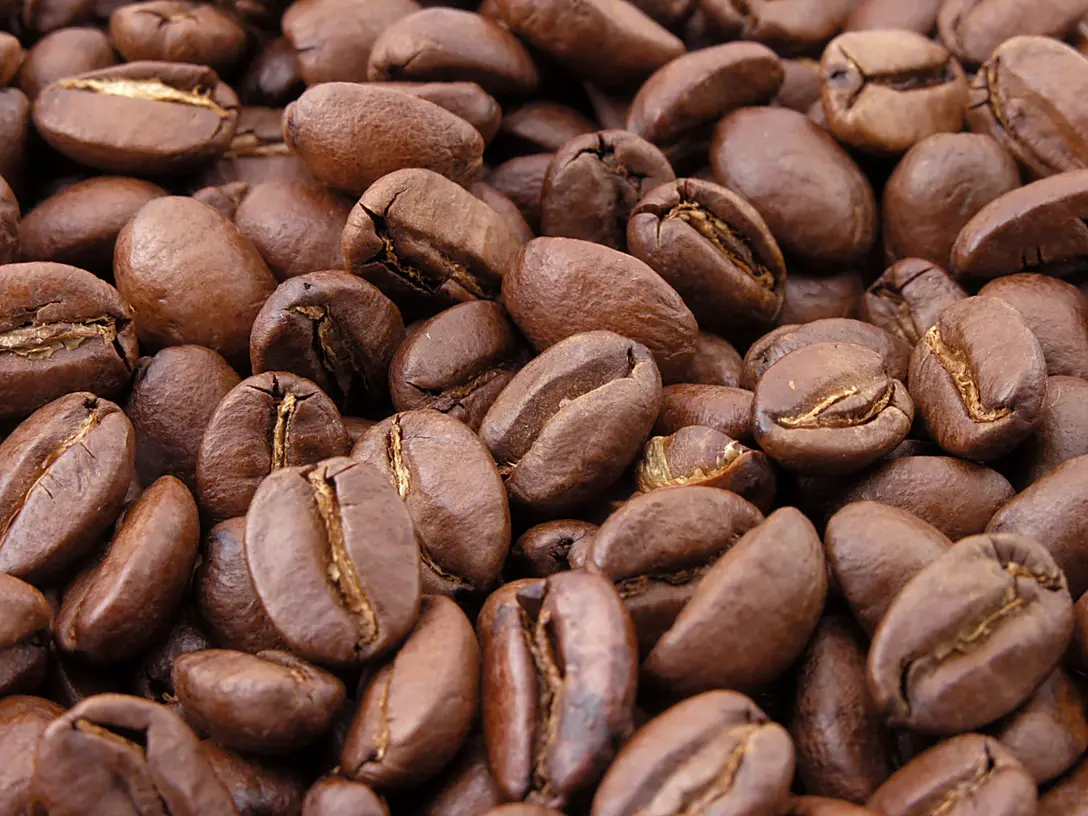
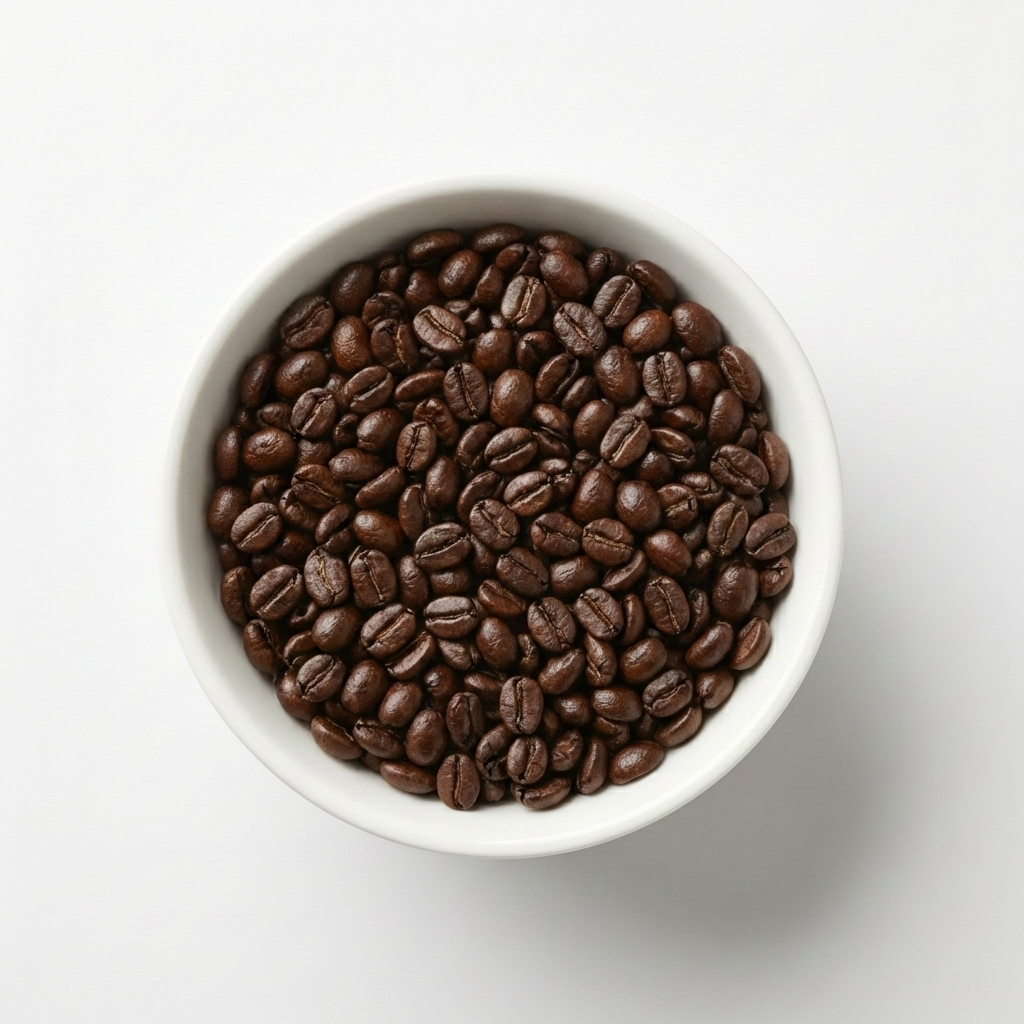
- Try a darker roast. Dark roasts tend to taste less acidic, and research suggests they contain more of a compound called N-methylpyridinium, which may reduce acid production in the stomach.
- Pick low-acid origins. Some coffees, like those from Assam or monsoon-heavy regions, taste naturally gentler than bright, fruity African-style coffees.
- Add milk. Milk softens the cup and can help some people, though full-fat milk is harder to digest for others. Try it and see.
- Make it weaker, not bigger. Use a little less coffee per cup, and keep to 1-2 cups a day while your stomach settles.
- Try cold brew. Many people find cold brew easier on the stomach because it tastes smoother. Read is cold brew healthier than hot coffee for what the research says.
- Skip coffee close to bedtime. Lying down with a full stomach makes reflux worse. Have your last cup at least 3 hours before you lie down.
- Watch what you have with it. Sugary biscuits, fried snacks and spicy food alongside coffee can be the real trigger.
Gentler Coffees to Try
A smooth Assam Arabica or a darker roast is a good place to start if bright coffee bothers you.
From ₹650
From ₹570
When to See a Doctor
See a doctor if you have:
- Heartburn more than twice a week
- Pain or difficulty swallowing
- Vomiting, black stools or unexplained weight loss
- Acidity that keeps you up at night
These need proper diagnosis, not just a coffee change.
The Bottom Line
Coffee doesn't give everyone acidity, and the research linking it to reflux is mixed. If it bothers you, drink it with food, try a darker or smoother coffee, keep cups moderate, and avoid it before lying down. If symptoms continue, talk to a doctor.
Sources
- Kim J, et al. Association between coffee intake and gastroesophageal reflux disease: a meta-analysis. Diseases of the Esophagus, 2014.
- Rubach M, et al. A dark brown roast coffee blend is less effective at stimulating gastric acid secretion in healthy volunteers compared to a medium roast market blend. Molecular Nutrition & Food Research, 2014.
- NHS: Heartburn and acid reflux