
Single Origin vs Blend Coffee
Single origin shows where a coffee is from; blends are built for consistency and balance. Here's when each makes sense and what to buy.

A single-origin coffee comes from one place - one country, region, estate or even one lot. A blend mixes beans from different origins (and often different processes or roasts) to hit a target flavour. Neither is better; they're built for different things.
Single Origin
- Shows terroir - the flavour of a specific place and process.
- Varies - a great estate has good years and less good years; the next bag won't taste identical.
- Best for: pour over, filter, black coffee, tasting and comparing.
- Usually: lighter to medium roast to preserve character.
Karadykan Estate Coffee
A single-estate Arabica with a defined chocolate-citrus character.
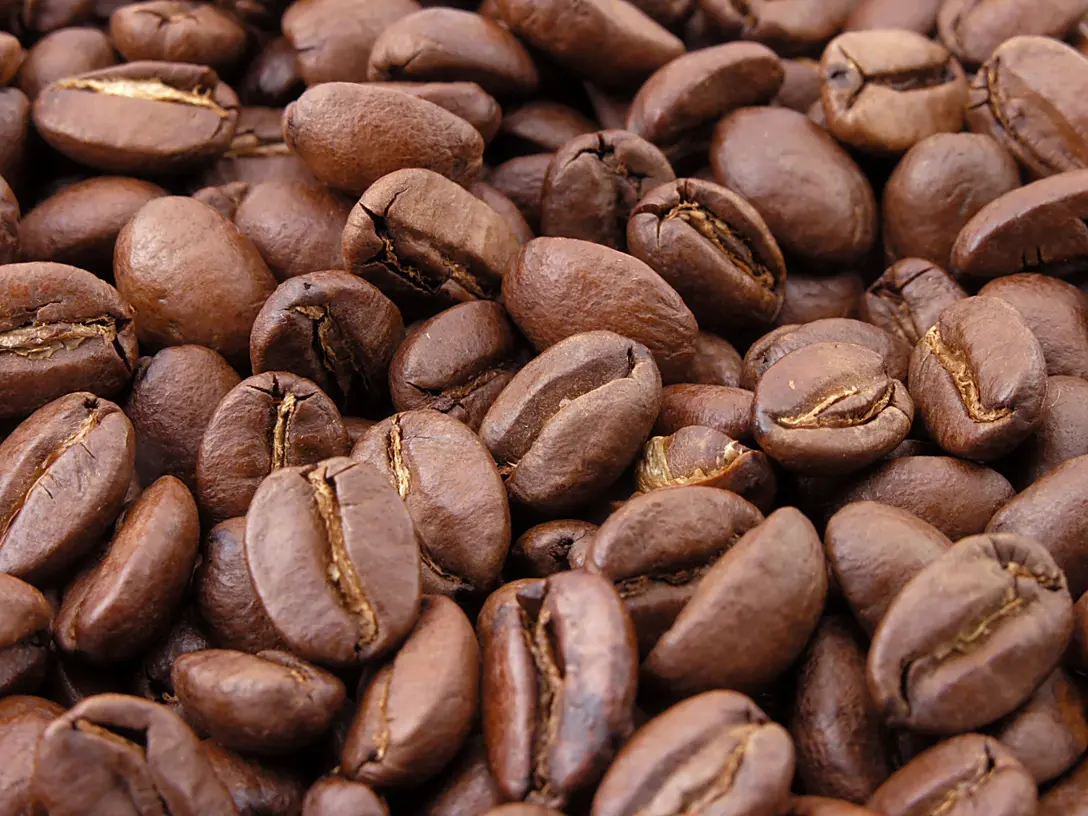
From ₹780
Halflong Assam Coffee
Single-origin from the North Cachar Hills - soft, gentle, distinctly its own.
From ₹620
Blend
- Consistent - roasters adjust the recipe so it tastes the same year-round.
- Balanced - strengths of one bean cover another's gaps (e.g. Robusta body under Arabica aroma).
- Best for: espresso, milk coffee, South Indian filter, an everyday house coffee.
- Cheaper, usually.
Basic Black Coffee
A balanced everyday blend built for consistency across any brew method.
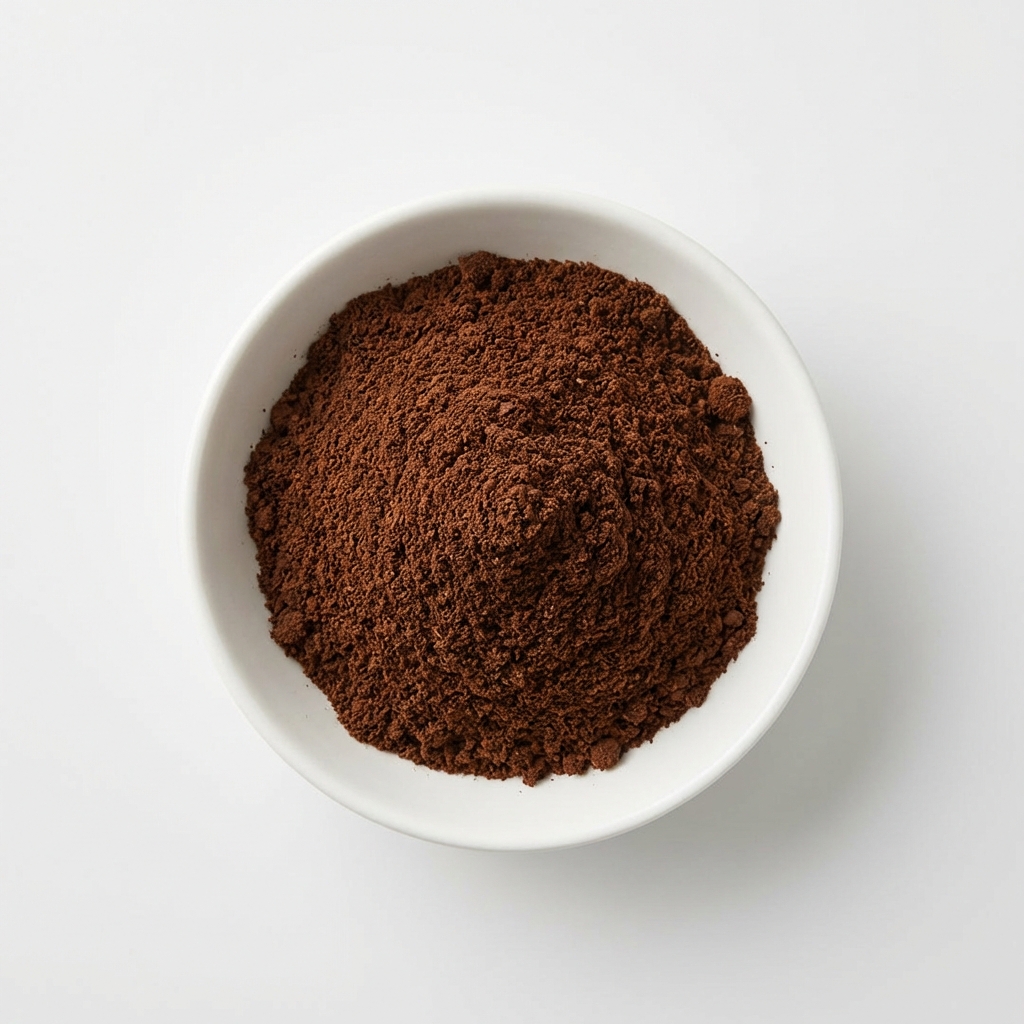
From ₹440
Filter Coffee (70% Arabica, 30% Robusta)
A purpose-built blend - Arabica aroma, Robusta body and strength for milk coffee.
Which to Buy
If you want to explore and taste differences, buy single origins - ideally via a sampler. If you want a reliable daily cup, especially with milk or espresso, buy a blend.
5 Coffee Sampler Pack
Five single origins side by side - the fastest way to learn what you like.
Related Reading
How to Choose Coffee, Best Coffee Beans in India, and Best Arabica Coffee in India.
Single origin to explore and taste place; blend for a consistent everyday cup, milk coffee and espresso.