
What Is Honey Processed Coffee?
Honey (or pulped natural) processing leaves some fruit mucilage on the bean while it dries, giving a sweet, syrupy, low-acid cup. Here's how it works.
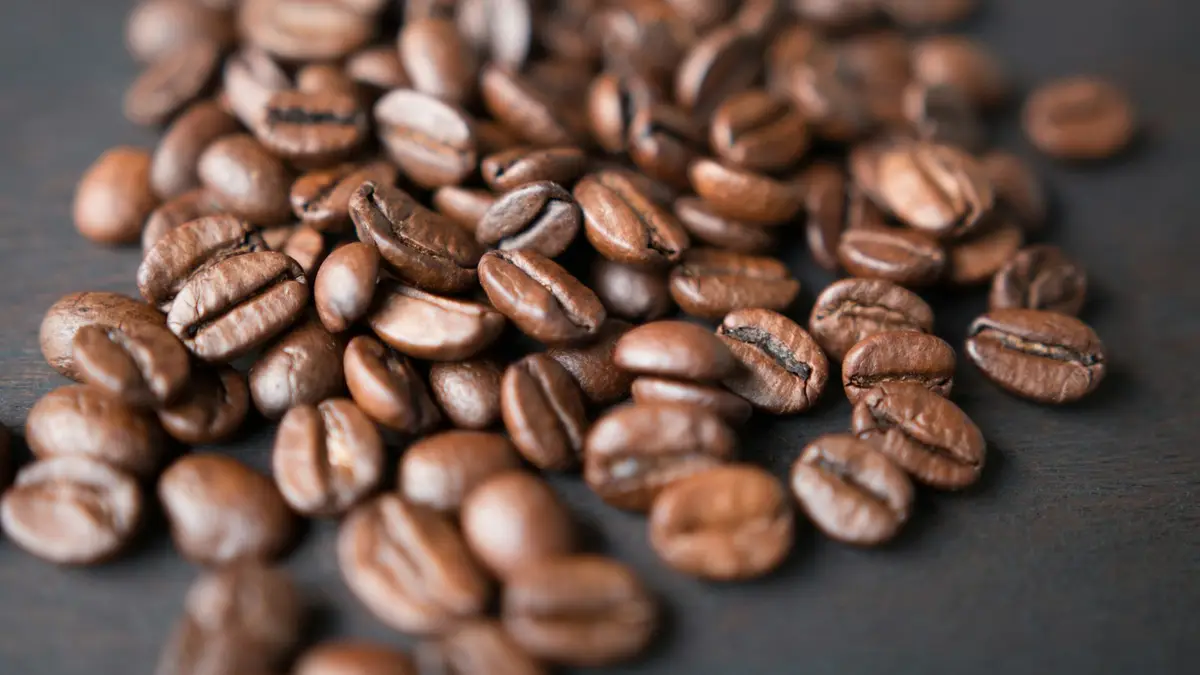
Honey processed coffee has nothing to do with honey. The name comes from the sticky, tacky feel of the beans as they dry with some of the fruit's sugary mucilage still attached. It's also called "pulped natural."
How It's Made
- The cherry skin is removed (like washed coffee).
- But the mucilage - the sweet, sticky layer under the skin - is left on, partly or fully.
- The beans dry in the sun with that layer intact, for one to three weeks.
- The dried mucilage is then removed and the beans are milled.
How much mucilage is left, and how it's dried, gives "white," "yellow," "red" and "black" honey - more mucilage and slower drying means more fruit character and more risk.
How It Tastes
Honey coffee sits between washed and natural:
- Sweeter than washed - caramel, brown sugar, stone fruit.
- Rounder, syrupy body, more than washed, less wild than natural.
- Lower, softer acidity than a washed coffee.
- Cleaner than a full natural - less boozy or funky.
It's a good pick if washed coffees taste thin to you but naturals taste too much.
Try It
Attikan Estate Honey Sundried Coffee
A honey-sundried Arabica from the Biligiris - syrupy, sweet and low-acid, easy to drink black.
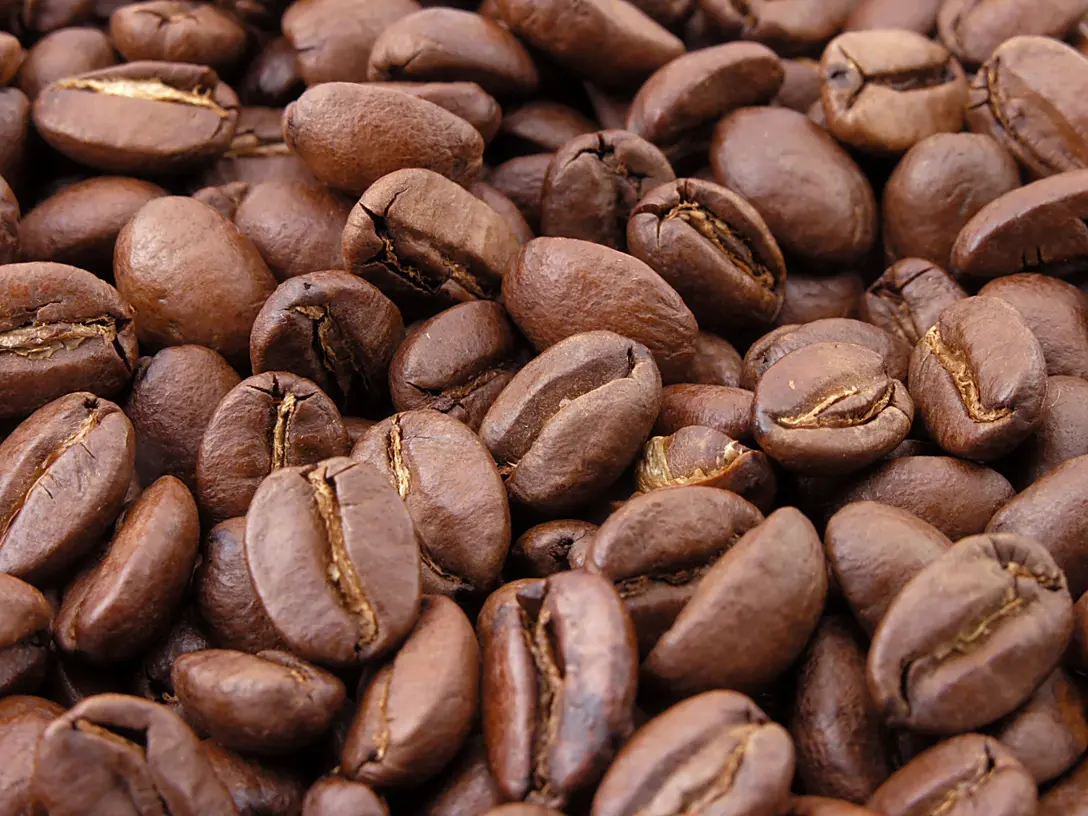
From ₹595
Koraput, Odisha HSD Coffee
Honey sundried from the Odisha hills - sweet and full-bodied with a smooth finish.
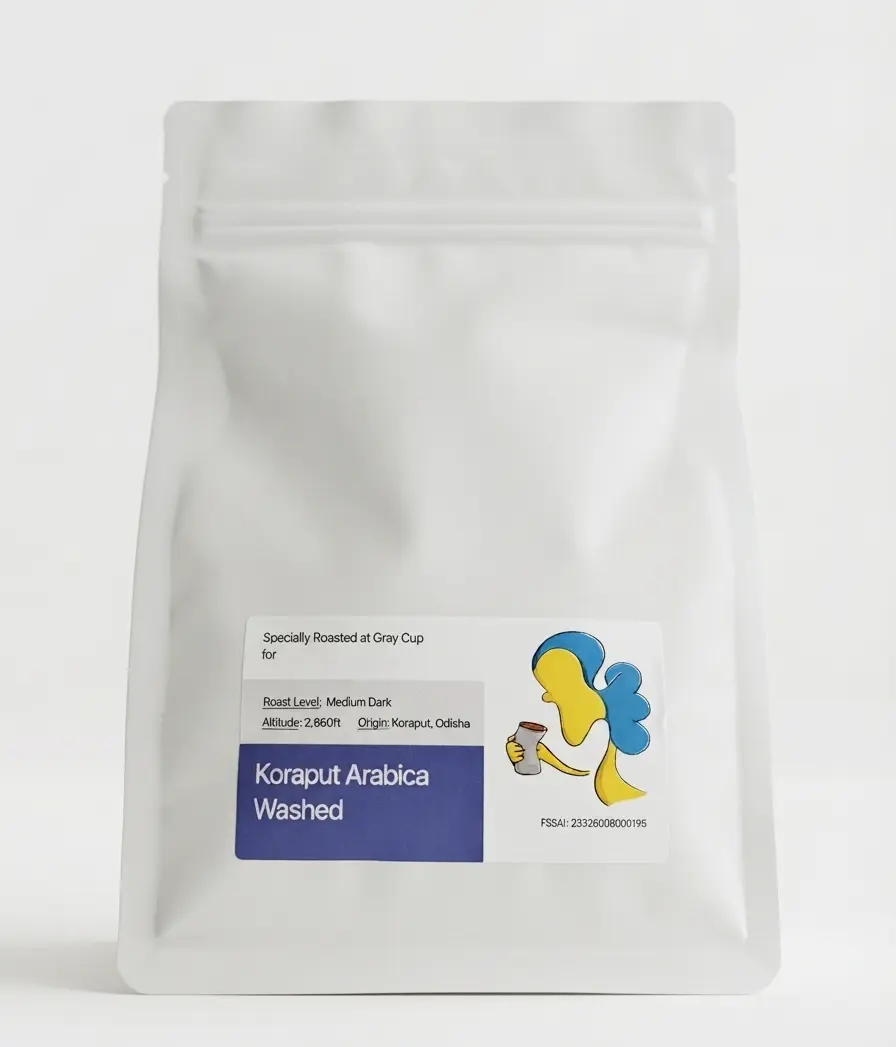
Brown Valley HSD Coffee
A honey-sundried lot with deep caramel sweetness and a heavy body.
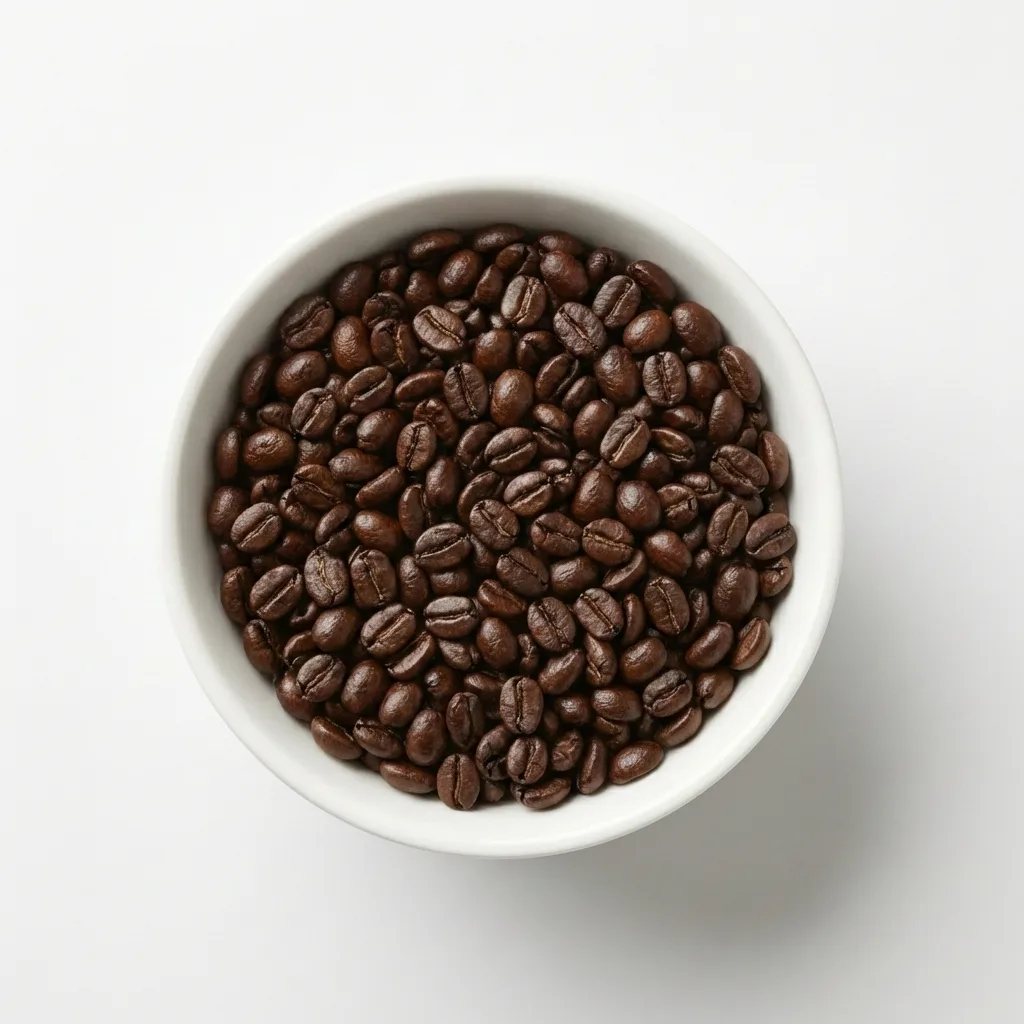
From ₹720
Related Reading
Natural vs Washed Coffee, How to Choose Coffee, and Best Smooth Black Coffee.
Honey processed coffee is dried with the sweet mucilage left on. The result is sweeter and rounder than washed, cleaner than natural - a good middle ground.