
Best Ground Coffee for Home Espresso Beginners
New to a home espresso machine? Start with a forgiving medium roast and a coarser-than-you-think grind. Here's a beginner-friendly starting point.
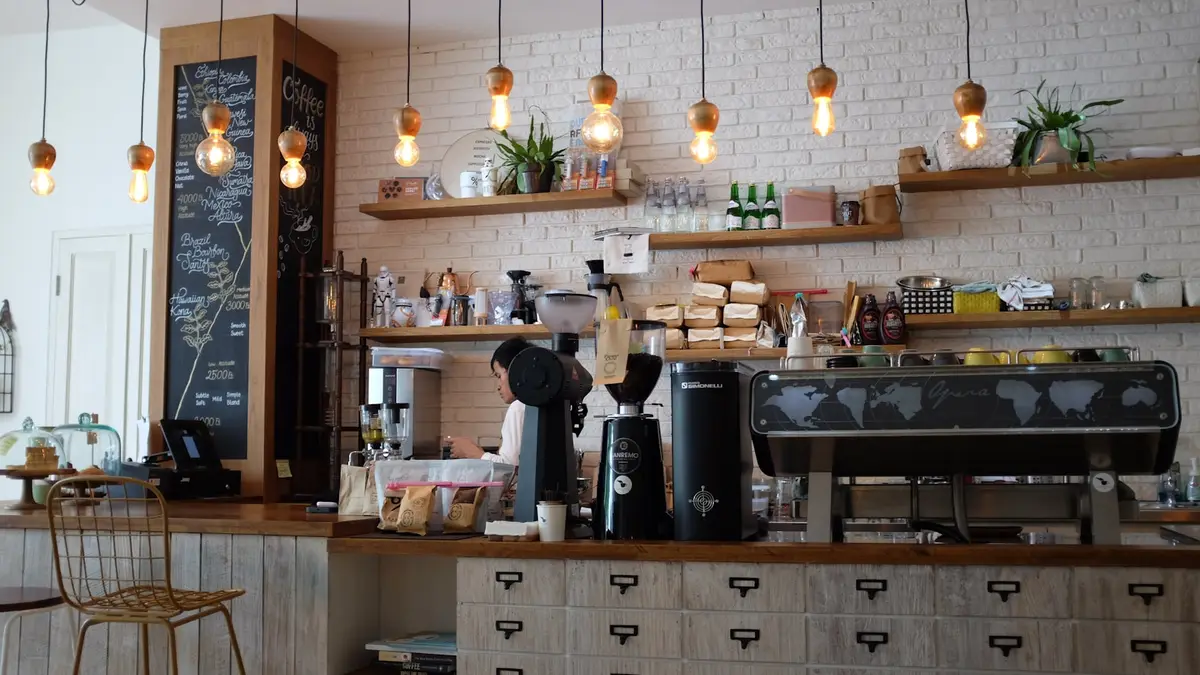
If you just got your first home espresso machine (or any coffee machine), the coffee you pick matters less than most beginners think - and getting a feel for the machine matters more than chasing the "perfect" bean on day one.
Start With a Forgiving Medium Roast
Very light roasts are dense and need precise, often finer grinding and higher pressure to extract properly - underextract them even slightly and you get sour, thin shots. Very dark roasts extract faster and can turn bitter or ashy if you overdo the dose or grind too fine. A medium roast sits in the middle: it's noticeably more tolerant of small mistakes in grind size, dose, and extraction time, which is exactly what you want while you're still learning your machine's quirks.
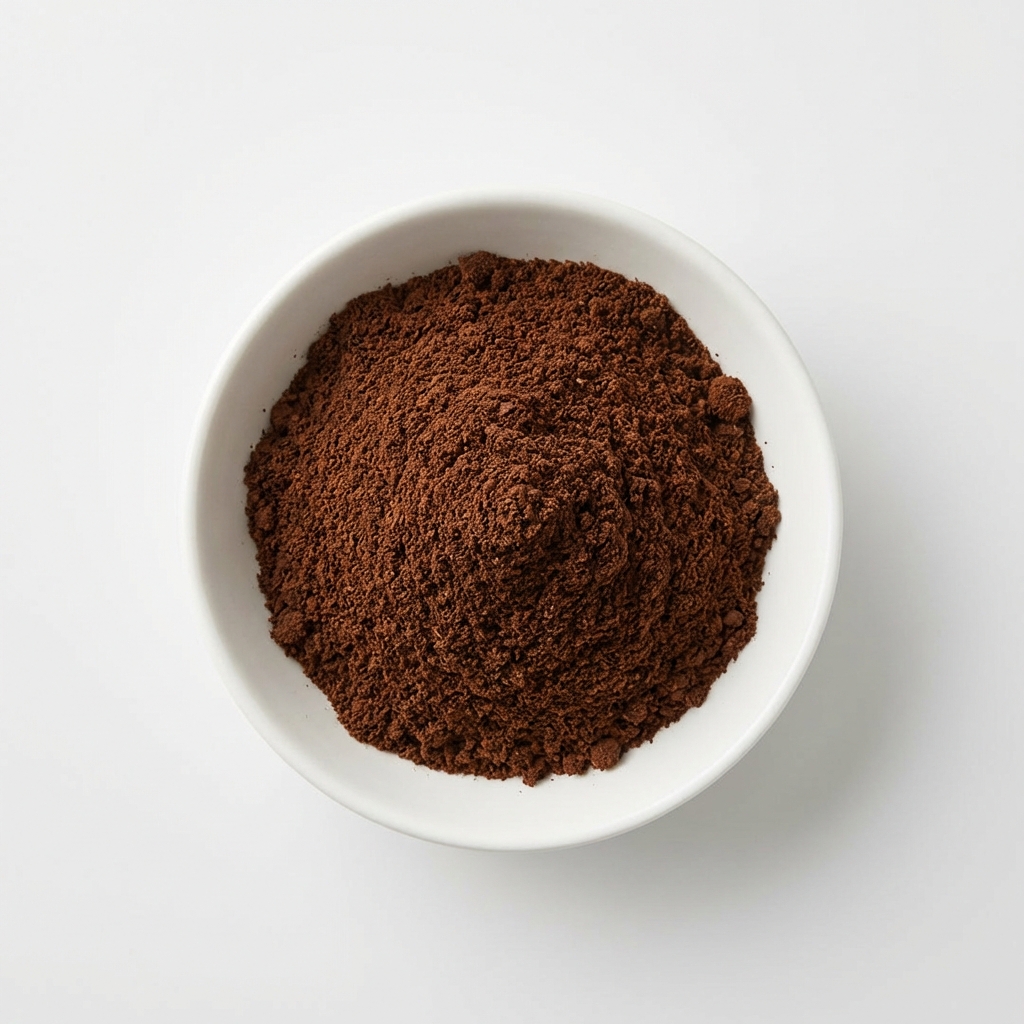
Grind Coarser Than You Think, at First
"True" espresso grind is fine, almost like table salt, but dialling in a brand-new machine at that fineness often produces slow, choked, over-extracted shots before you've learned to judge dose and tamp pressure. It's easier to:
- Start slightly coarser than the "espresso fine" mark your grinder suggests.
- Pull a shot and taste it - if it's sour or runs too fast, go a step finer; if it's bitter or runs too slow, go a step coarser.
- Make small adjustments and re-taste, rather than jumping several settings at once.
This way you're troubleshooting one variable at a time instead of guessing blind at the "correct" fine grind from the start.
Buy Small Bags While You're Learning
Coffee loses freshness within a few weeks of grinding (faster) or roasting (slower). While you're still dialling in technique, a smaller bag that you'll use up in 1-2 weeks means you're always testing with reasonably fresh coffee, rather than practicing on a large bag that's gone stale halfway through.
Don't Overthink Origin Yet
Single-origin beans, specific altitude notes, and tasting-note wheels are worth exploring once you've got consistent technique - but they add variables you don't need while you're still learning grind size, dose, and tamping. A solid, consistent blend lets you isolate "is this my technique or the bean?" much more easily.
Related Reading
Best Coffee for Beginners covers picking your first bag more broadly, and Best Coffee for Espresso at Home goes deeper once you're past the basics.
The best ground coffee for a beginner isn't the fanciest bag on the shelf - it's a forgiving medium roast, ground a touch coarser than "correct," in a small enough bag that you're always brewing it fresh.