
Best Ground Coffee for a Percolator
Percolators re-boil coffee through the grounds, so a coarser grind matters more here than with almost any other brewer. Here's how to get it right.
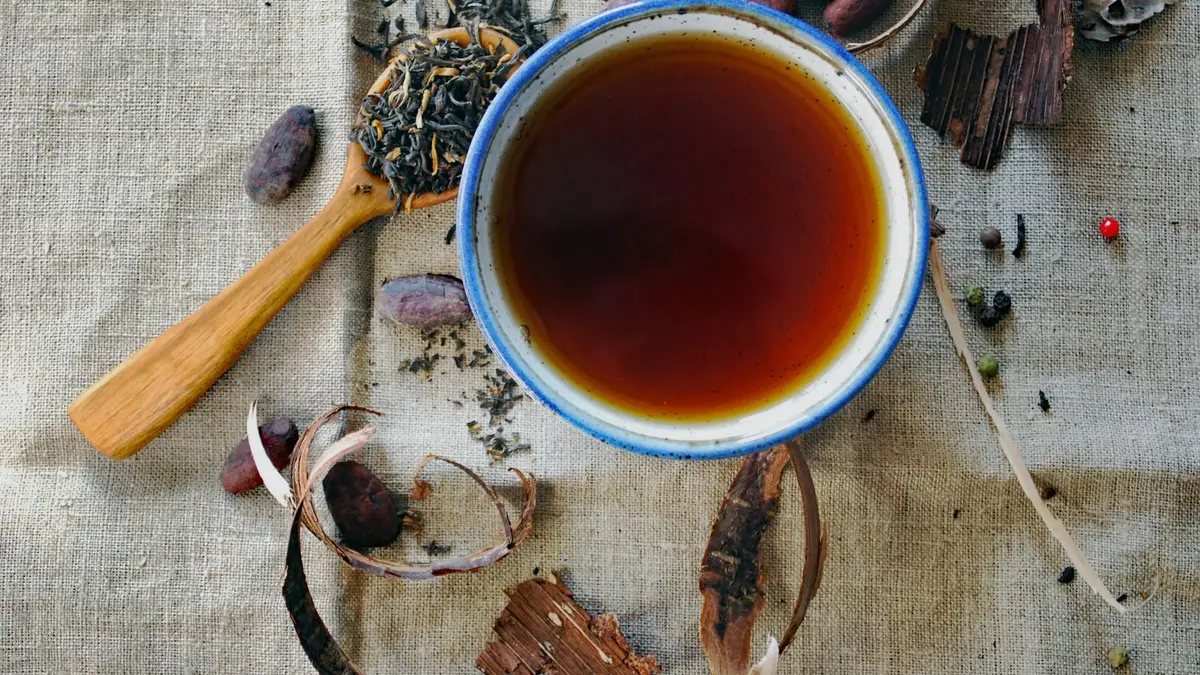
A percolator works differently from almost every other coffee maker, and that difference changes what "best ground coffee for percolator" actually means. Instead of water passing through the grounds once, a percolator cycles boiling water up through a tube, over the grounds, and back down into the pot, repeatedly, for the whole brew cycle. That repeated contact with near-boiling water is the reason percolator coffee has a reputation for turning bitter and muddy - and it's almost entirely a grind-size problem, not a coffee-quality problem.
Why Percolators Need a Coarse Grind
If you grind coffee for percolator use the way you'd grind for drip or espresso, the fine particles extract almost everything they have to give within the first cycle or two, then keep sitting in boiling water for the next ten to fifteen minutes as the percolator keeps recirculating. That over-extraction pulls out bitter compounds that a single pass would never reach, plus fine particles slip through the basket and cloud the pot.
The fix is a coarse ground coffee for percolator - noticeably coarser than standard drip grind, closer to what you'd use in a French press. Coarse grounds hold up under repeated boiling-water passes without dumping all their bitterness into the pot, and they're less likely to clog the percolator's filter basket or sneak through into your cup.
Buying Pre-Ground Coffee for a Percolator
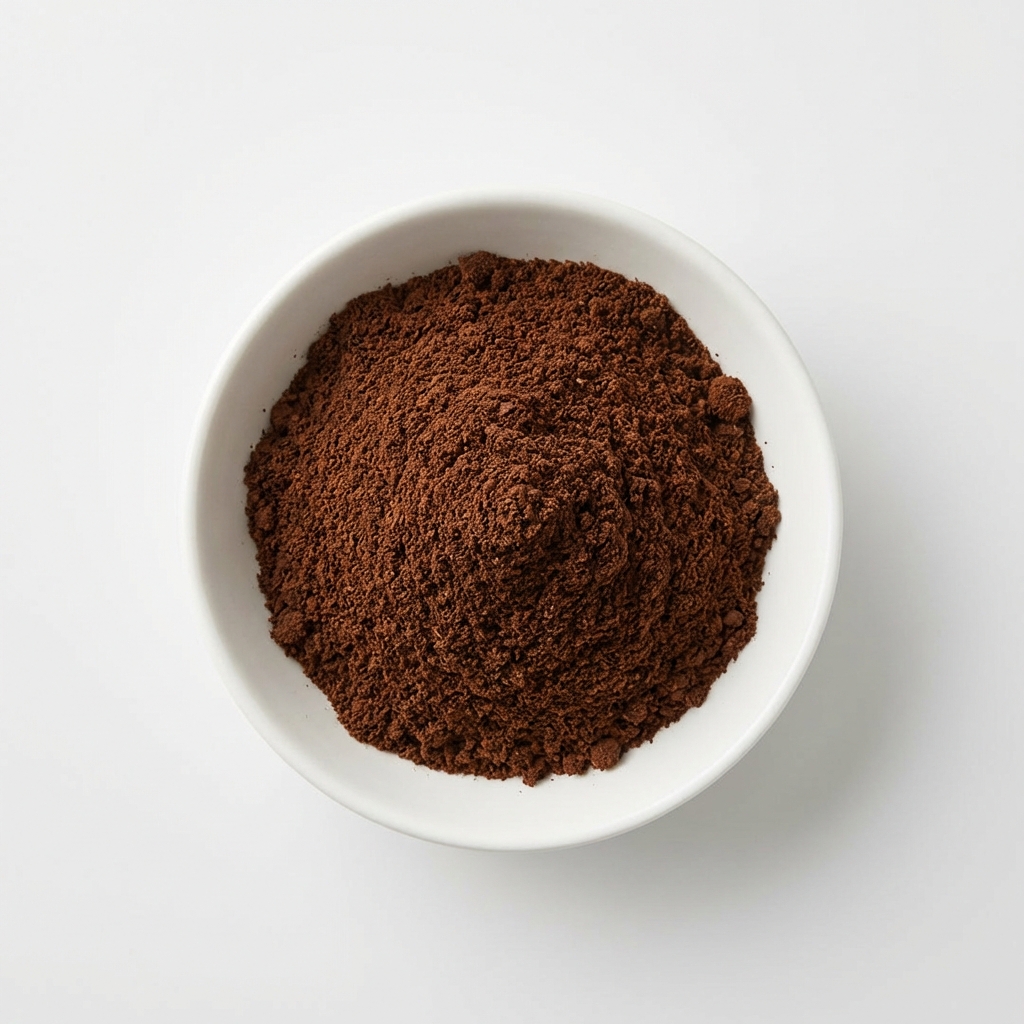
If you're buying best pre ground coffee for percolator rather than grinding your own, don't default to a bag labelled simply "ground coffee" - that's usually cut for drip machines and will be too fine. Ask your roaster (or look at the label) for a coarse grind, the same one recommended for French press or cold brew. If a bag only offers "fine," "medium," or "coarse" as options, coarse is the one you want.
Freshness still matters just as much as grind size. A coarse grind stales more slowly than a fine espresso grind, but a percolator's long, hot brew cycle will still exaggerate any staleness that's crept in - buy what you'll use within a few weeks and store it in an airtight container away from heat and light.
How Percolators Differ From Drip Machines
It's worth understanding the mechanical difference, since it explains why percolator advice doesn't carry over from your average drip guide. A drip machine (including most stovetop percolator-style brewers sold under names like Morphy Richards' percolator range) passes water through the grounds once and stops; a true percolator recirculates. That single difference is why coarser grind and shorter total contact time (by cutting the boil short once it's perking well) both help - anything that reduces repeated over-extraction improves the cup. For a broader look at how different filter and drip machines compare, see our guide to drip coffee makers below.
From ₹540
Quick Buying Checklist
- Grind: coarse, not medium or fine.
- Roast: a slightly darker roast (like a French roast) can stand up well to a percolator's extended heat without tasting thin.
- Freshness: buy small batches, store airtight.
- Brew time: don't over-perk - pull it off heat once it's actively bubbling and smells strong, rather than leaving it on for the full range printed on old percolator instructions.
Related Reading
Drip Coffee Makers Explained breaks down how percolators, drip machines, and pour-over differ mechanically, and Coffee Grind Size Guide has a full grind-size reference across every brew method.
Percolators reward a coarse, fresh grind more than any specific brand of coffee - get the grind right and a percolator can produce a strong, full-bodied cup without the bitterness it's known for.