
Filter Coffee Maker Buying Guide: Steel vs Brass vs Electric
Steel, brass or electric filter - the maker matters less than people think. Here's how to pick one, and why the powder inside it matters more.
"Filter coffee maker" covers two very different products - the traditional two-tumbler drip filter that's sat on South Indian kitchen counters for generations, and the newer electric filter coffee machines that promise the same cup with less effort. Both make filter coffee. They just get there differently, and the right pick depends on your household, not on which one is "better."
The Traditional Filter Coffee Maker
This is the classic Indian filter coffee maker: two stacked cylindrical chambers. The top chamber has a perforated pressing disc that sits on packed ground coffee; you pour hot water over it and let gravity do the rest, drop by drop, into the bottom chamber as concentrated decoction.
Stainless steel filter coffee maker - the default choice. Doesn't react with the coffee, cheap to replace, dishwasher-friendly, widely available in every size from single-cup to a full commercial filter coffee machine for a shop counter.
Brass filter coffee maker - the traditional material, often nickel- or tin-plated on the inside. Many people swear brass rounds out the decoction's flavour slightly compared to steel, though the difference is subtle and easy to overstate. Needs a bit more care - the plating can wear, and it should stay dry between uses.
Small filter coffee maker vs a larger one - size should match how many cups you make in one go, not your total daily consumption, since decoction keeps in the fridge for a couple of days. A small filter coffee machine (2-3 cup capacity) suits one or two people; anything larger only makes sense if you're brewing for a full household at once.
There's no motor, no plug, nothing to break - which is exactly the appeal. It also means no shortcuts: the water has to be hot, and the drip genuinely needs its 15-20 minutes.
Electric Filter Coffee Machines
An electric filter coffee maker automates the traditional method - heating water and dripping it through a filter chamber on a timer, so you don't have to stand over it. This is the category that includes brands like Gemini, Cime, Philips, Morphy, and Pradeep, each offering their own take on an electric filter coffee machine for home or small commercial use. Specifics - capacity, wattage, current pricing - vary by model and change often enough that it's worth checking the seller's current listing rather than relying on anything written here.
Electric filter coffee machine buyers are usually optimising for one of two things:
- Convenience - set it going and walk away, useful if you make several rounds a day or run a small shop counter.
- Consistency - a machine drips at the same rate every time, removing the guesswork around water temperature and drip speed that trips up manual brewing.
The tradeoff is the same tradeoff with any kitchen appliance: more parts, a plug, and eventually something to service or replace.
Filter Coffee Machine for Home vs for Shop
A filter coffee machine for home just needs to comfortably cover your household's rounds - a small manual steel filter or a compact electric one both work fine. A commercial filter coffee machine for a shop or canteen is a different category altogether: higher throughput, larger chambers, often designed to hold decoction hot for hours rather than brew one batch at a time. If you're equipping a business, buy for volume and uptime, not for the features a home buyer would prioritise.
Filter Coffee Machine Price
Prices span a wide range - a basic steel filter costs a fraction of what a full electric filter coffee machine or a commercial unit runs. Rather than anchoring on a number here (which any online source, this one included, can't guarantee is current), compare listings at the time you're actually buying, and weigh price against capacity, material, and warranty rather than picking on price alone.
What Actually Determines the Cup
Here's the part that gets lost in maker-vs-maker comparisons: a stainless steel filter, a brass filter, and a top-of-the-line electric machine all extract decoction the same basic way - hot water through packed ground coffee. Once that decoction is mixed with hot milk and sugar, what you actually taste is overwhelmingly the coffee powder, not the machine.
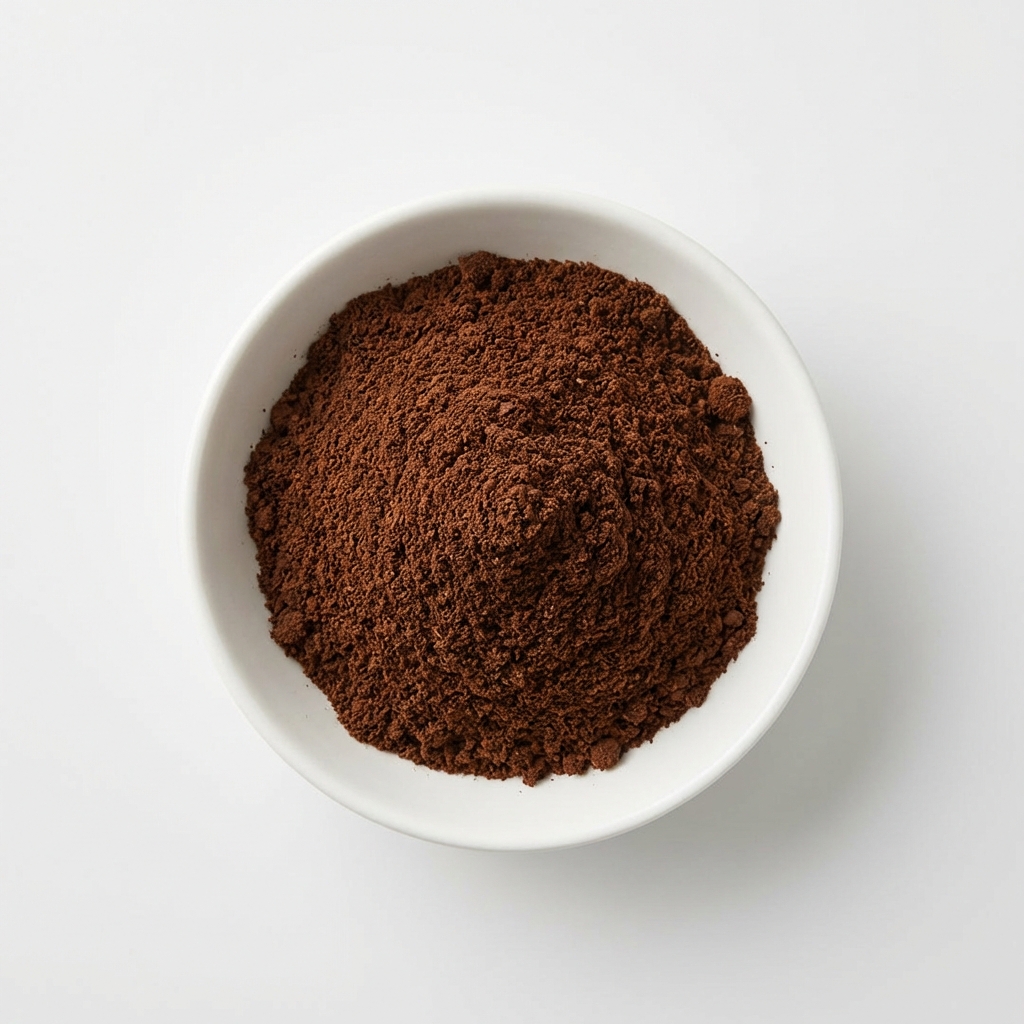
A ₹500 steel filter loaded with a good 70:30 Arabica-Robusta blend will consistently beat an expensive electric machine loaded with stale, over-ground powder. If you're upgrading your setup, spend on fresh, well-chosen coffee before you spend on the maker.
Related Reading
Best Filter Coffee in India breaks down blend ratios in detail, and Best Filter Coffee for Home covers picking a powder for everyday brewing.
Whether you go with a traditional steel filter, a brass one, or an electric filter coffee machine, buy for your household's size and habits - then put the real budget into the coffee that goes inside it.