
Types of Coffee Filters: Steel, Cloth, Metal & Paper
Steel, cloth, paper, ceramic, cone - every common coffee filter material explained, with what each one does to taste and body.

"Coffee filter" covers a surprising range of materials, and each one changes the cup differently - not just in how it filters, but in body, clarity, and how much cleanup it needs. Here's what each type actually does.
Stainless Steel / Metal Filters
A stainless steel coffee filter (or metal coffee strainer) uses a fine mesh or perforated disc rather than paper. This is the material behind the traditional South Indian filter and most reusable pour-over baskets.
- What it does: lets coffee oils and fine sediment through, since the mesh holes are larger than paper's fibres. This gives a fuller-bodied, heavier cup than paper filtering.
- Cleanup: needs rinsing after every use since oils and fines cling to the mesh; not a rinse-and-forget filter.
- Where you'll find it: the traditional Indian filter, reusable "gold filter" cone inserts, and metal Aeropress/pour-over discs.
Cloth / Fabric Filters
A cloth or fabric coffee filter is a fine-weave sock or bag, still used in South Indian filter coffee shops and some Thai/Vietnamese brewing setups as an alternative to a metal filter.
- What it does: sits between paper and metal - clearer than metal, more body than paper, since the weave catches most fines but still lets some oil through.
- Cleanup: needs washing and drying between uses, and cloth filters wear out and need replacing every few months with regular use.
Paper / Cone Filters
Cone coffee filters and conical coffee filters are the standard for drip machines and manual pour-over.
- What it does: the finest filtration of the common types - produces the cleanest, lightest-bodied cup, since paper traps almost all oils and fine particles.
- Cleanup: disposable, no washing, but an ongoing running cost since you're buying more each time.
- Note: rinsing a paper filter with hot water before brewing removes a papery taste some people notice otherwise.
Ceramic Filters
Ceramic pour-over drippers (like a Chemex-style cone or a V60-style dripper made of ceramic) aren't filters themselves - they're the holder for a paper filter, made of ceramic instead of plastic or glass mainly for heat retention. A ceramic coffee filter holder keeps water hotter through the pour than plastic, which can improve extraction slightly.
Glass Filters
Similarly, a glass coffee filter usually refers to a glass dripper or carafe holding a paper or reusable filter - valued mainly for being non-reactive and easy to see through, not for a different filtration mechanism.
Copper and Bronze Filters
Copper and bronze filters function like steel ones (mesh-based, full-bodied, need cleaning) but are chosen mostly for looks, heat retention, and durability rather than a meaningfully different cup.
"Gold Filter" (Reusable Mesh Cone)
A "gold filter" is a reusable cone insert, usually gold-toned stainless steel or titanium-nitride coated, designed as a permanent replacement for paper cone filters in drip machines. It behaves like a metal filter - fuller body, needs rinsing after use - just shaped to fit a paper filter's slot.
Portafilter - A Different Thing Entirely
Worth clearing up since it gets grouped with the others in search: a portafilter is not a coffee filter in the drip/pour-over sense at all. It's the handled metal basket that holds tightly packed, finely ground coffee in an espresso machine, locked into the group head so pressurised hot water forces through it. If you're setting up South Indian filter coffee or a pour-over station, a portafilter isn't the part you need - that's espresso-machine hardware.
Coffee Pot Filters and Percolator Filters
A coffee pot with a filter (like a stovetop percolator's mesh basket) recirculates water through the grounds rather than passing through once like drip filters do - closer in mechanism to boiling than dripping, and it produces a stronger, sometimes more bitter cup as a result since the same water passes the grounds repeatedly.
The Filter Changes Texture, Not the Flavour Ceiling
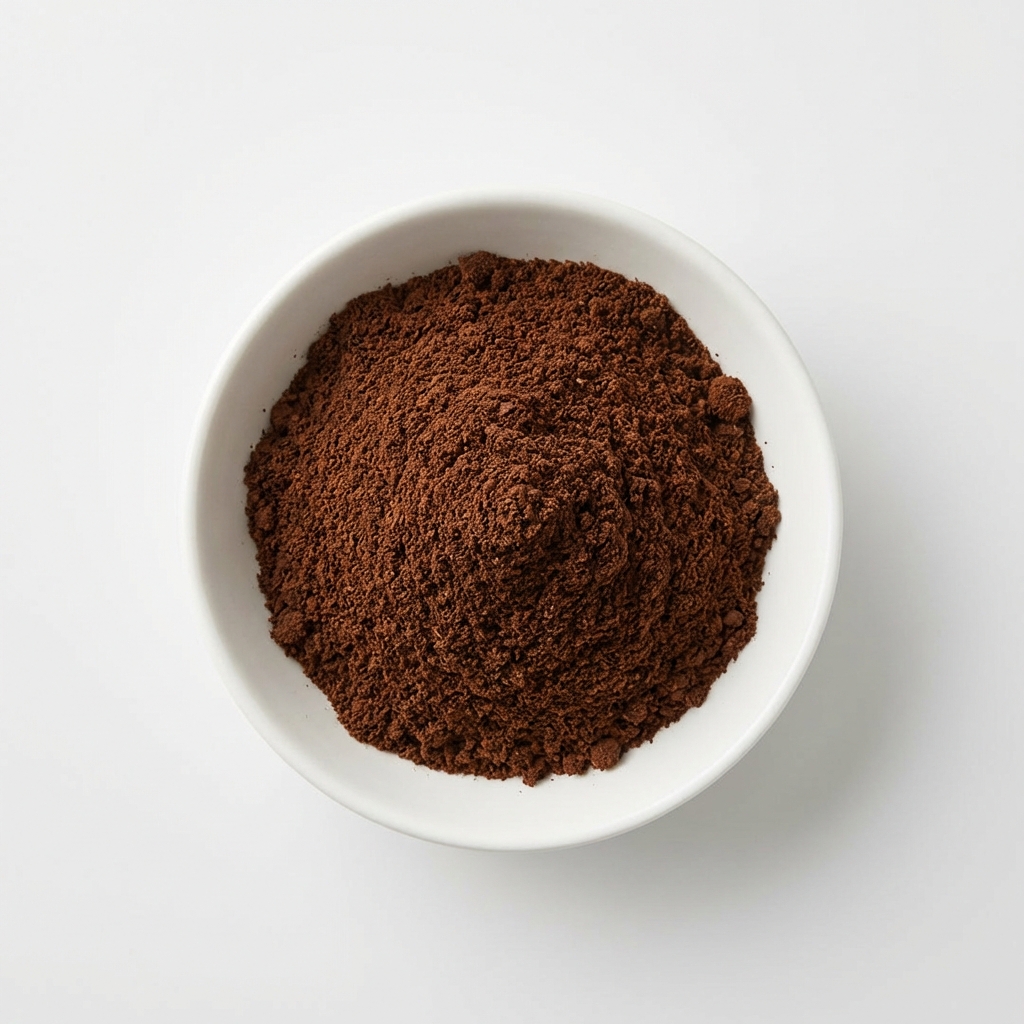
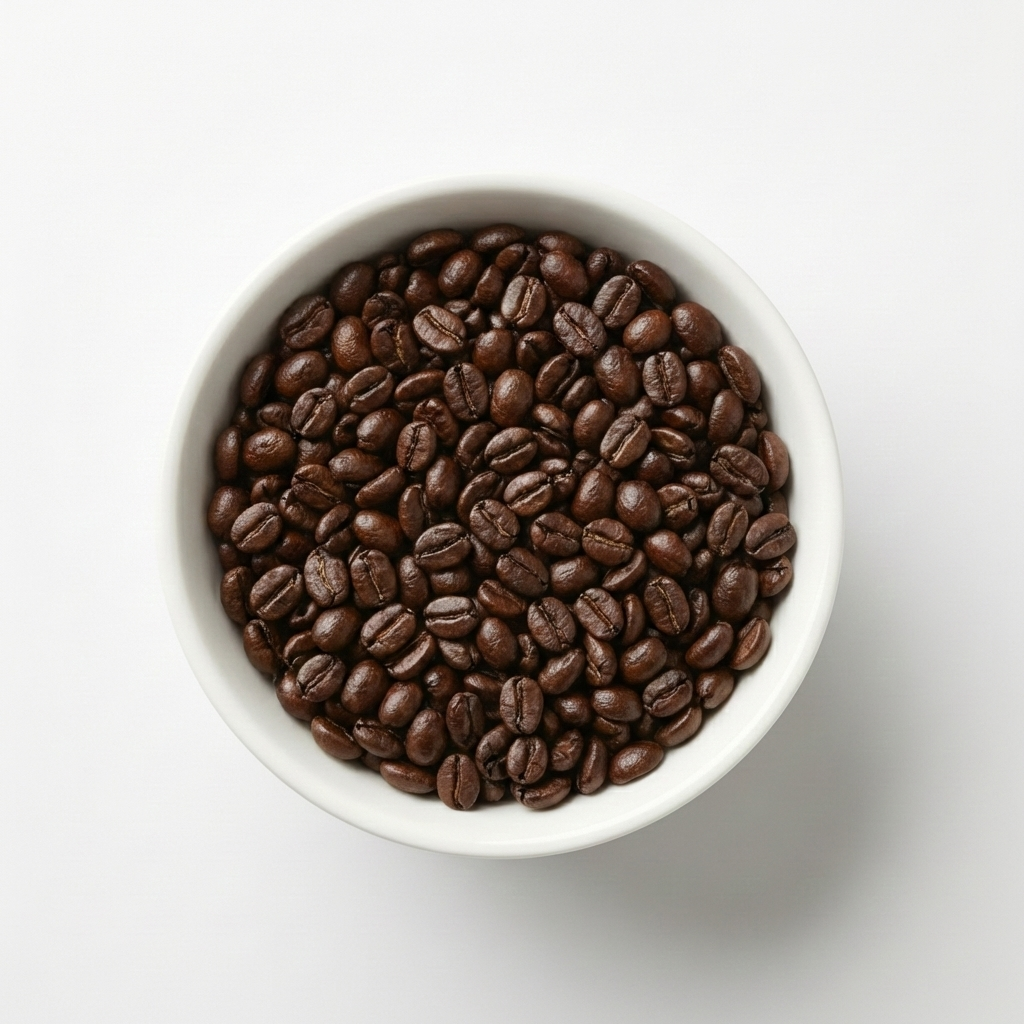
Whichever filter you use, the biggest single factor in how your coffee tastes is still the bean and blend, not the mesh size. A great steel filter loaded with stale, generic powder will still taste worse than a good blend through a basic paper cone.
From ₹540
Related Reading
Coffee Grind Size Guide pairs naturally with this since grind size and filter type need to match, and Best Filter Coffee in India covers the traditional steel-filter method in full.
Metal and cloth filters give you more body and oils; paper and cone filters give you a cleaner, lighter cup - pick based on the texture you want, then put a coffee worth tasting through it.