• Gray Cup
Best Brass Coffee Filters Under ₹2,000 (5 Honest Picks)
A brass coffee filter is the one people remember from their grandmother's kitchen. Dull gold outside, a little dented, always on the same corner of the stove. We're Gray Cup, we roast South Indian filter coffee, and we get asked about brass filters more than almost any other piece of gear. So here's our shortlist of brass filters under ₹2,000, plus the part most listings skip: the tin lining, and how to look after the thing.
We'll also be honest about whether you need brass at all. Sometimes you don't.
Key Takeaways
- Our pick is the Sidapur etched matt brass filter at around ₹1,890: heavy 0.8 mm brass, a real brand behind it, and the most ratings of any brass filter we found.
- None of the five listings clearly says the inside is tin-lined (kalai). Ask the seller, and look inside when it arrives.
- Brass vs steel taste difference is small once milk goes in. Brass is about looks, heat and tradition. Gray Cup's advice: buy brass because you love it, not because you think it brews better.
- Rinse and dry a brass filter right after every use, and get it re-tinned when the copper colour shows through.
Some links in this post are Amazon affiliate links. If you buy through them we may earn a small commission at no extra cost to you.
Brass or steel: the honest answer
We'll say it plainly. A good stainless steel filter and a good brass filter make very similar decoction. Brass holds heat a bit longer, so the top chamber cools more slowly during the 15-20 minute drip. Some people swear that rounds out the flavour. Honestly, once milk and sugar go in, we find it very hard to tell them apart.
Where they really differ is care and safety. In 2024, a study in the Journal of Exposure Science and Environmental Epidemiology (Fellows et al., 2024) tested five brass items alongside aluminium and steel cookware. Brass cookpots from India yielded high lead levels, one exceeding the childhood limit by over 1,200 times, while stainless steel leached much lower levels.
That study tested cookpots, not coffee filters, and a filter holds hot water for twenty minutes rather than simmering dal for an hour. Still, it's why we care so much about the tin lining. If you just want the cheapest good filter, our South Indian filter coffee makers under ₹500 list is all steel. If you want brass, read on.
The 5 best brass coffee filters under ₹2,000
We looked at build weight, capacity, review count and how much the seller tells you. Prices are "around" figures from Amazon India, checked November 2026.
1. Sidapur etched matt brass filter (Medium)
#1 · Best overall
Sidapur Brass Filter, Etched, Matt (Medium)
- 0.8 mm brass
- 300 g
- Matt etched finish
around ₹1,890
Buy on AmazonIt's the priciest pick here and close to the ₹2,000 ceiling, but it's the one we'd buy. Sidapur is a brand from House of Ramapuram Foods, and the filter is made of 0.8 mm brass, which is properly thick. The etching is based on Tamil kolam patterns, and the brushed matt finish hides fingerprints far better than polished brass. It holds 4.2 stars from 147 ratings, the most of any brass filter we found. Our one complaint: the listing doesn't give a millilitre capacity, so message the seller if size matters to you.
2. Daanyaa pure brass filter, 200 ml
#2 · Best value
Pure Brass Coffee Filter, 2-4 Cups, South Indian Degree Kaapi Maker, Capacity 200 ml
- 200 ml
- 2-4 cups
- 310 g
- 6-month warranty
around ₹999
Buy on AmazonHalf the price of the Sidapur, and the only filter here that comes with a written warranty, six months against manufacturing defects. At 310 g it's actually slightly heavier than our top pick, which is a good sign for wall thickness. The rating is 4.0 from 35 ratings, so it's newer and less tested. If you're curious about brass but don't want to spend ₹1,900 finding out, start here. Two to three cups a morning suits it best.
3. Thangam traditional brass filter, 240 ml
#3 · Best traditional look
Thangam Brass Traditional Filter Coffee Maker, Kumbakonam Degree Coffee Filter (240ml)
- 240 ml
- 2-4 cups
- 280 g
- Matte finish
around ₹1,249
Buy on AmazonThis is the shape most people picture: plain, matte, Kumbakonam-style. At 240 ml it's a practical size for a small family. Now the honest part. It sits at 3.4 stars from 71 ratings, the lowest here, which tells you a fair number of buyers weren't happy. We've kept it because it's the most traditional design under ₹1,500. Inspect it the day it arrives, and return it if the lining or the disc looks rough.
4. NKNS Homes brass filter, 160 ml
#4 · Best for one or two people
NKNS HOMES Brass Filter Coffee Maker 160ml
- 150-160 ml
- 2-3 servings
- 250 g
around ₹919
Buy on AmazonSmall, simple, cheap for brass. The title says 160 ml and the spec table says 150 ml, so plan on the lower number. That's enough decoction for two strong cups. It shows 4.1 stars, but only from 16 ratings, which is too few to lean on. We'd pick it for a single person or a couple who drinks one cup each and wants brass on the counter without the bigger price.
5. Spillbox brass filter, 100 ml (Size 0)
#5 · Cheapest brass, single cup
Spillbox Traditional Brass 100ml Filter Coffee Maker, Size 0 (Small)
- 100 ml
- Size 0
- 160 g
around ₹799
Buy on AmazonThe cheapest way into brass. Spillbox is a Chennai seller, and this "Size 0" filter makes roughly one cup of decoction. At 160 g it's thin, and the 3.8 star rating from 22 ratings reflects that. Fine as a desk filter, a gift, or a trial run. Not a family filter. Oddly, the listing bullets talk about pour-over and French press, which a South Indian filter isn't, so ignore those and judge it on the photos.
Tin lining, kalai and how to care for a brass filter
Kalai is the old craft of coating the inside of brass or copper vessels with pure tin. In 2026, a report on Hyderabad's last kalaiwalas described it as a thin, non-reactive barrier of pure tin, and quoted one who said a properly tinned utensil stays effective for six to eight months before it needs re-coating (Telangana Today, 2026).
A coffee filter sees gentler use than a cooking pot, so in our experience the lining lasts longer. Here's how we look after ours:
- Check the inside on day one. A tinned surface looks silvery grey. Bright gold inside means bare brass. If the listing doesn't say, ask the seller before you brew.
- Rinse right after brewing. Tip out the grounds, rinse in warm water, and wipe with a soft sponge. Skip steel wool on the inside, it scratches the tin.
- Dry it fully. Wipe it, then leave both chambers upside down for an hour. Damp brass tarnishes and goes green at the seams.
- Clean the outside with tamarind or lemon and salt. Keep that acid scrub to the outside only, since it's hard on the lining too.
- Don't store decoction in it. Pour the decoction into a steel or glass container as soon as it's done.
- Re-tin when copper shows. If you see pinkish or gold patches through the grey, take it to a local kalaiwala or utensil shop. It's usually a quick job.
How to choose a brass coffee filter
Weight tells you more than the photos. Under 200 g usually means thin sheet that dents easily. Around 280-310 g is solid.
Capacity should match one morning. A 100 ml filter is a single cup, 150-200 ml suits two people, and 240 ml or more suits three or four. Decoction keeps a day in the fridge.
Matt or polished? Matt hides fingerprints and tarnish. Polished looks wonderful for a week.
Look for a clear lining claim. None of our five spell it out, which is frustrating. A seller who answers "yes, tin coated inside" in writing is worth an extra ₹100. For broader context on filter types, see our types of coffee filters guide and the filter coffee maker buying guide.
Buy your coffee stock from Gray Cup
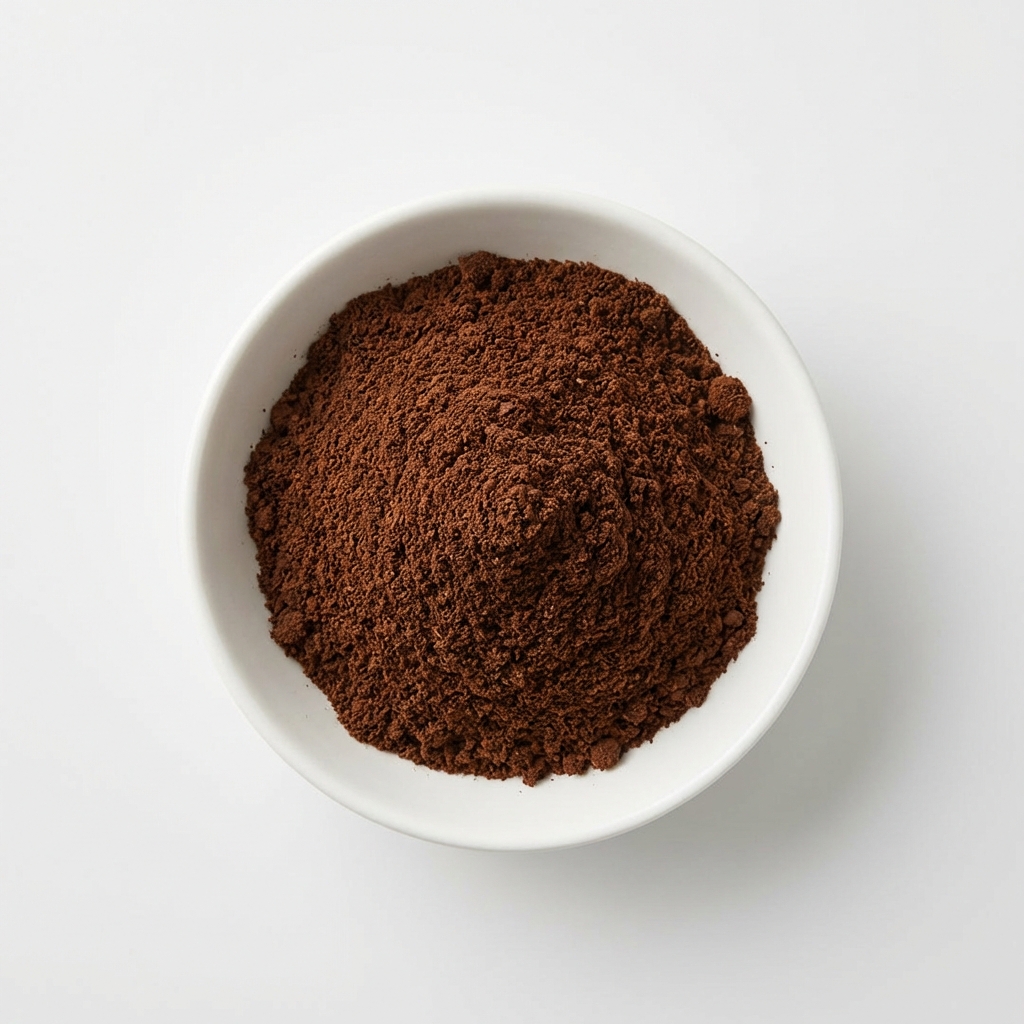
A ₹1,890 brass filter deserves better than a two-month-old supermarket pack. The filter shapes the ritual, but the powder is what you taste. Gray Cup grinds filter coffee specifically for South Indian filters, and roasts in small batches so it reaches you fresh.
Most of that coffee is grown close to home. As of 2026, the Coffee Board puts the final 2025-26 crop at 3,73,000 tonnes, with Karnataka alone at 2,56,695 tonnes (Coffee Board of India, 2026). Our filter blends lean on Karnataka Arabica, from Karadykan, for aroma.
Here's what we'd load into a brass filter, at live 250 g prices:
| Gray Cup coffee | Why it suits brass | 250 g price |
|---|---|---|
| Custom Arabica Robusta Blend Filter Coffee | No chicory, set your own strength | ₹425 |
| Filter Coffee (70% Arabica, 30% Chicory) | The classic thick, traditional decoction | ₹490 |
| Filter Coffee (90% Arabica, 10% Chicory) | Aromatic, just a little chicory body | ₹550 |
| Filter Coffee (70% Arabica, 30% Robusta) | Strong with no chicory, good crema | ₹570 |
For a traditional brass filter, we'd start with the 70/30 chicory blend. It's what most Tamil and Kannada homes grew up on. A quick label note for any brand you buy: in 2021, FSSAI directed that coffee-chicory mixtures contain at least 51% coffee by mass and declare both percentages on the pack (FSSAI, 2021).
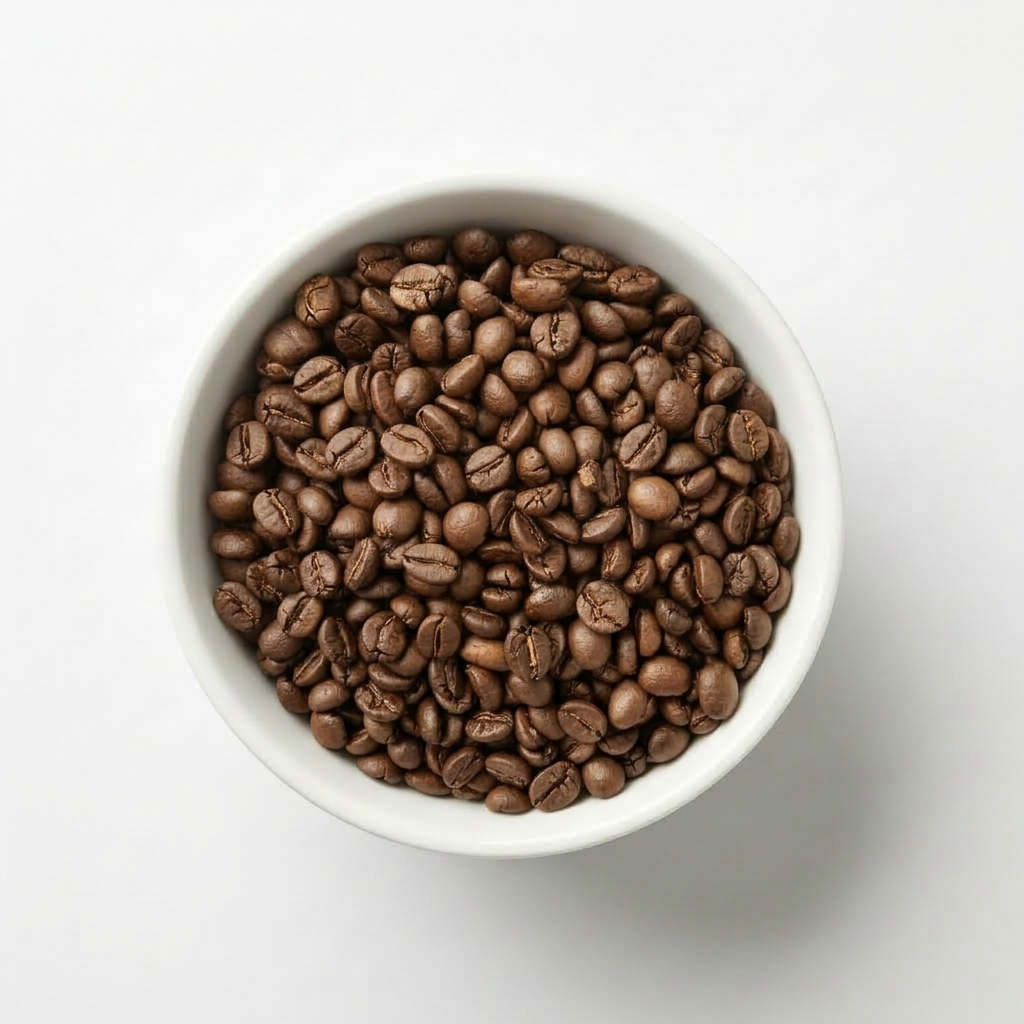
Browse the whole range in our filter coffee collection. If you'd rather grind whole beans yourself, our sister site Indian Roasted Coffee roasts single-origin beans to order.
How to brew filter coffee in a brass filter
Gray Cup's recipe for a 200-240 ml brass filter, like the Daanyaa or Thangam:
- Warm the filter. Rinse both chambers with hot water first. Brass soaks up heat, so a cold filter steals it from your brew.
- Dose: 2 level tablespoons, about 15-16 g, of Gray Cup filter coffee powder. Shake it level.
- Press: Set the disc on top with a gentle push. Don't pack it.
- Water: About 120 ml of water just off the boil. Lid on.
- Wait: 15-20 minutes. You'll get about 80 ml of decoction.
- Mix: 1 part decoction to 3 parts hot milk, sugar to taste, and froth between tumbler and dabara.
Water temperature isn't worth fussing over. In 2020, researchers brewed coffee at 87°C, 90°C and 93°C and found temperature had no appreciable impact on flavour once strength and extraction were matched (Scientific Reports, 2020). Grind size and dose matter more. If your drip is too fast, our grind size guide for South Indian filters will sort it, and the decoction guide covers troubleshooting.
Need a brass dabara set to match? Our sibling post on filter coffee dabara sets under ₹800 has picks. And for context on how small home coffee drinking still is in India, a 2025 USDA estimate put Indian consumption at just 0.07 kg per person per year, against a world average of about 1.3 kg (Daily Coffee News, 2025). Plenty of room for more filters.
Frequently Asked Questions
Is a brass coffee filter safe to use?
A tin-lined brass filter is generally considered safe, because the tin stops coffee touching the brass. A 2024 study found some brass cookpots from India leached high lead levels, so Gray Cup recommends buying a filter that's tinned inside, drying it after use, and re-tinning it once copper shows through the lining.
Does a brass filter make better coffee than steel?
Not noticeably, in our experience. Brass holds heat a little longer during the drip, and some people prefer the result, but once milk and sugar go in, most can't tell. The coffee powder matters far more. Buy brass for looks and tradition, and buy fresh filter coffee for taste.
How do I clean a brass coffee filter?
Rinse it in warm water right after brewing, wipe with a soft sponge, and dry both chambers fully. Clean the outside with tamarind or lemon and salt to remove tarnish, but keep acid off the tin lining inside. Never use steel wool inside, and don't store decoction in the filter.
How often does a brass filter need re-tinning (kalai)?
It depends on use. A Hyderabad kalaiwala quoted in 2026 said tinned cookware lasts six to eight months before re-coating. A coffee filter usually lasts longer, since it sees hot water rather than cooking. Re-tin when you see gold or pinkish patches through the silvery grey lining.
What coffee should I use in a traditional brass filter?
Use a fine South Indian filter grind. For the classic thick decoction, Gray Cup suggests Filter Coffee (70% Arabica, 30% Chicory) at ₹490 for 250 g. For a strong cup without chicory, try Filter Coffee (70% Arabica, 30% Robusta). Both are ground for South Indian filters and roasted in small batches.
Filter coffee for a brass filter
See all →- Filter Coffee Value Blend (80% Arabica, 20% Chicory)
Budget, 20% chicory
From ₹235
- 100% Robusta Coffee
Bold, extra strong
From ₹295
- Custom Arabica Robusta Blend Filter Coffee
No chicory, your ratio
From ₹425
- Filter Coffee (70% Arabica, 30% Chicory)
Classic 70/30 chicory
From ₹490
- Filter Coffee (90% Arabica, 10% Chicory)
Light chicory, aromatic
From ₹550
- Filter Coffee (70% Arabica, 30% Robusta)
Strong, good crema
From ₹570