• Gray Cup
Best Filter Coffee Machines Under ₹5000 in India (4 Picks)
Most mornings at Gray Cup start with a steel filter and a 20 minute wait. We love it. But we also get the same email every few weeks: "I don't have 20 minutes, is there a filter coffee machine that actually makes decoction?" There is.
More of you are asking because more of you are drinking it. As of 2026, the Coffee Board of India estimates domestic consumption at 96,000 tonnes in 2024, up from 91,000 tonnes in 2023 (Coffee Board of India, 2026). A handful of electric machines on Amazon India will give you a proper, milk-ready decoction in under 10 minutes, and the ones we like all cost under ₹3,500. This is our shortlist, written for people who drink filter kaapi with milk, not black coffee from a carafe.
Key Takeaways
- The Preethi Cafe Zest CM210 is the filter coffee machine we'd buy first: built for South Indian decoction, keeps it warm, around ₹2,300.
- Electric decoction is a little thinner than steel-filter decoction, so Gray Cup recommends about 1 extra tablespoon of powder per 150 ml of water.
- Every pick here costs under ₹3,500, well inside the ₹5000 budget. Spend what's left on fresh coffee.
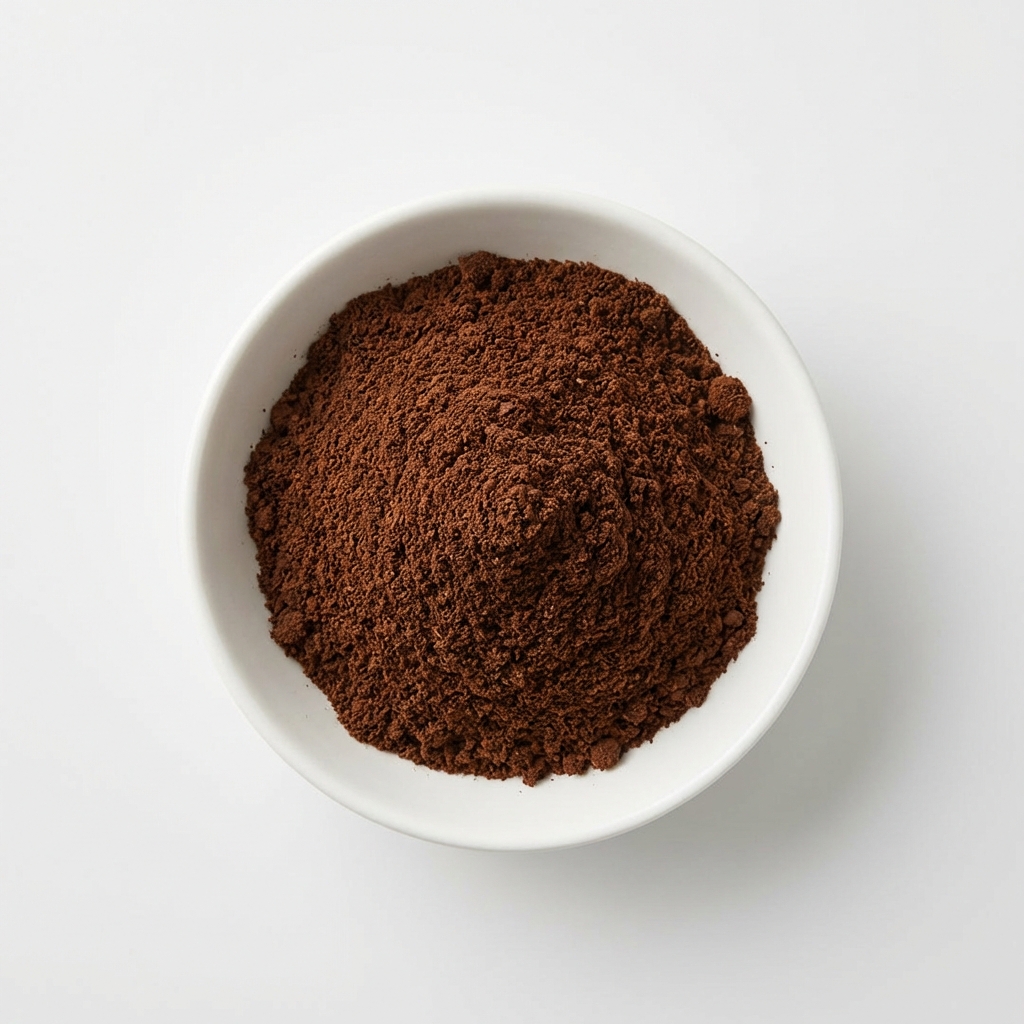
- Use a fine South Indian Filter grind in Preethi machines and a slightly coarser Pour Over grind in western-style drip machines.
Some links in this post are Amazon affiliate links. If you buy through them we may earn a small commission at no extra cost to you.
Quick comparison
All prices are "around" figures from Amazon India, prices checked November 2026. They move every week, so check before you pay.
| Machine | Price | Power | Best for |
|---|---|---|---|
| Preethi Cafe Zest CM210 | around ₹2,300 | 450 W | Daily decoction, keep-warm |
| Preethi Dripcafe CM208 | around ₹2,590 | 450 W | Basic decoction, no frills |
| Borosil Brew Pro | around ₹2,420 | 550 W | Decoction and black coffee |
| Philips HD7430/90 | around ₹3,490 | 1000 W | Big households, 10 cups |
The 4 best filter coffee machines under ₹5000
1. Preethi Cafe Zest CM210
#1 · Best overall for decoction
Preethi Cafe Zest CM210 Drip Coffee Maker
- 450 W
- 500 ml
- Keep-warm
- Permanent filter
around ₹2,300
Buy on AmazonHonestly, this is the one. Preethi is a Chennai company and the Cafe Zest is designed around filter coffee powder, not western drip grounds. The permanent micro-fine filter holds fine South Indian grind without letting sludge through, and the hot plate keeps the decoction warm until you switch it off. That matters more than it sounds. Your second tumbler at 8:30 tastes like your first at 7:45.
The downsides are small. It's a 450 W machine, so it's not quick, and the plastic body feels basic for the price. The capacity is 500 ml of water, which is plenty for a family of four drinking one tumbler each. If you want one filter coffee machine for an Indian kitchen and you don't want to think about it, buy this.
2. Preethi Dripcafe CM208
#2 · Best simple decoction maker
Preethi Dripcafe CM208 Coffee Maker
- 450 W
- 6 cups
- Micro-fine filter
around ₹2,590
Buy on AmazonThe Dripcafe is the Cafe Zest's older sibling, and it does the same core job. Same 450 W heater, same idea of a fine permanent filter, and Preethi's listing says it gets a decoction ready in under 10 minutes. In our experience that's about right for a full load.
Here's the odd part. On Amazon right now it costs slightly more than the Cafe Zest, around ₹2,590 against around ₹2,300. That's backwards, and it's why the CM208 sits at number two. If you find it cheaper on the day, or you simply like the look, it's a perfectly good coffee decoction maker. Otherwise the Cafe Zest gives you more for less.
3. Borosil Brew Pro Drip Coffee Machine
#3 · Best for decoction and black coffee
Borosil Brew Pro Drip Coffee Machine with Borosilicate Glass Carafe (600 ml)
- 550 W
- 600 ml carafe
- 6 cups
- Anti-drip
- Auto shut-off
around ₹2,420
Buy on AmazonSome homes have one person who wants kaapi and another who wants a mug of black coffee. The Borosil is our pick for them. It's a western-style drip coffee maker with a glass carafe, an anti-drip valve so you can pull the jug mid-brew, and auto shut-off, which we value more than any other feature on a cheap machine.
For decoction, it works if you adjust. Fine filter powder can clog a standard mesh basket, so we line it with a No. 4 paper cone and use a touch coarser grind. It's rated 4.1 on Amazon from about 155 ratings, which is a small sample, so we'd call it a promising pick rather than a proven one.
4. Philips HD7430/90 1000W Drip Coffee Maker
#4 · Best for large households
Philips HD7430/90 1000W Drip Coffee Maker
- 1000 W
- Up to 10 cups
- Aroma Twister
- 30 min keep-warm
around ₹3,490
Buy on AmazonIf you're brewing for six people, or running a small office pantry, the 450 W Preethi machines start to feel slow. The Philips doubles the power and makes up to 10 cups. Its Aroma Twister swirls the coffee in the jug so the first and last pour taste the same, and the keep-warm plate switches itself off after 30 minutes.
It's the priciest pick at around ₹3,490 and still well under the ₹5000 line. It's rated 4.1 from roughly 336 ratings. The catch for filter coffee drinkers: it's built for medium-ground coffee. Use a paper filter and a Pour Over grind, and accept a slightly lighter decoction.
Can an electric machine really make filter coffee decoction?
Yes, with one honest caveat. A steel filter lets water sit on packed powder for 15 to 20 minutes. An electric machine sprays heated water over the bed and it passes through much faster. As of 2026, the National Coffee Association says a drip brewer needs about 5 minutes of contact between coffee and water (National Coffee Association, 2026). That's a third of a steel filter's time.
Less contact means a thinner decoction. You fix it with more powder, not a finer grind, which only clogs the basket. If you want the full step-by-step for the steel method, our guide on how to make filter coffee decoction covers it, and the filter coffee maker buying guide compares steel, brass and electric side by side.
There's also a health footnote worth knowing. A 2020 study of more than 500,000 Norwegians found that filtered coffee was linked with a 15% lower risk of death from any cause compared with no coffee at all (European Society of Cardiology via ScienceDaily, 2020). Every machine on this list filters. It's observational data, so we wouldn't oversell it.
How to choose a coffee decoction machine
Start with the filter, not the brand. A permanent micro-fine filter, like the ones in both Preethi machines, is made for South Indian powder. A coarse plastic mesh in a western drip machine is made for medium grounds and will let fine powder through unless you add a paper cone.
Capacity. Buy for one round, not a whole day. A 500 ml machine gives roughly 350 to 400 ml of decoction, enough for six to eight tumblers mixed 1:3 with milk. Decoction keeps in the fridge for a day or two, so a 10-cup machine only makes sense for big families.
Keep-warm and auto shut-off. A warming plate helps if people drink at different times. Auto shut-off is the feature we'd never skip on a machine that sits on a busy counter.
Glass vs plastic jug. Glass is easier to keep free of old coffee smell. Plastic doesn't break. Pick based on who's washing up.
What to avoid. Machines that list "espresso" and "filter" in one breath under ₹2,000 are usually steam brewers that do neither well. And skip anything without a removable filter basket, because you'll want to rinse it every single day.
If ₹2,000 to ₹3,500 feels like too much, a ₹400 steel filter is still the best value in Indian coffee. We've rounded those up in best South Indian filter coffee makers under ₹500. And if you mostly drink black coffee, our drip coffee makers under ₹3000 shortlist is the better read.
Buy your coffee stock from Gray Cup
The machine is half the cup. The other half is the powder, and that's the part we actually make. In 2026, the Coffee Board of India put the country's final 2025-26 coffee crop at 3,73,000 tonnes, of which 2,62,000 tonnes was Robusta (Coffee Board of India, 2026). That Robusta is what gives South Indian decoction its body, and every Gray Cup filter blend is built on Indian beans.
For an electric filter coffee machine, these are the ones we'd stock:
- Custom Arabica Robusta Blend Filter Coffee, ₹425 for 250 g. Medium-dark, no chicory, and our strongest everyday blend. It stands up well to the thinner decoction an electric machine makes.
- Filter Coffee (70% Arabica, 30% Chicory), ₹490 for 250 g. The classic Tamil Nadu style, thick and slightly bitter. Use a little less water, since chicory soaks it up.
- Filter Coffee (70% Arabica, 30% Robusta), ₹570 for 250 g. Smooth, aromatic, with caramel and dark chocolate notes. Our pick for the Philips.
- Filter Coffee (90% Arabica, 10% Chicory), ₹550 for 250 g. Just a hint of chicory, good if you're moving away from heavy blends.
- Karadykan Estate Coffee, ₹560 for 250 g. A single estate from Karnataka, the state that grew 2,56,695 tonnes of India's 2025-26 crop (Coffee Board of India, 2026). For when you want to taste where the coffee came from.
Indian coffee also travels well. The International Coffee Organization's October 2026 report puts world exports for coffee year 2025/26 at 142.39 million bags, up 1.0% (International Coffee Organization, 2026). Most of India's crop leaves the country; we'd rather you drank some of it fresh.
Choose the South Indian Filter grind for both Preethi machines. For the Borosil and Philips, the Pour Over grind drips more evenly. Our chicory blends only come in the South Indian Filter grind, so pair those with a Preethi. Not sure about chicory? Our coffee-chicory ratio explainer breaks it down, or browse everything in the filter coffee collection. If you'd rather buy single-origin whole beans and grind at home, our sister roastery Indian Roasted Coffee ships those.
How to brew decoction in an electric filter coffee maker
This is the recipe Gray Cup uses on a Preethi Cafe Zest. It's a good starting point for any machine on this list. For black drip coffee, the National Coffee Association's "Golden Ratio" is 1 to 2 tablespoons of ground coffee per 6 ounces of water (National Coffee Association, 2026). Decoction is meant to be diluted with milk, so we go well past the top of that range.
- Dose. Add 4 level tablespoons (about 24 g) of Gray Cup filter coffee to the filter. That's roughly one tablespoon more than you'd use in a steel filter.
- Grind. South Indian Filter grind for Preethi. Pour Over grind plus a paper cone for drip machines.
- Water. Pour 200 ml of room temperature, filtered water into the tank. Don't use hot water; the heater is designed for cold.
- Brew. Switch on. Expect 6 to 10 minutes. You'll get about 150 ml of decoction.
- Mix. One part decoction to 2 or 3 parts hot milk, sugar to taste. Pour between tumbler and dabara to froth.
If it tastes weak, add half a tablespoon of powder next time. If it tastes harsh, the powder was packed too tight or it's a heavy chicory blend; tap the basket level instead of pressing.
Frequently Asked Questions
Which is the best filter coffee machine for South Indian coffee?
Gray Cup recommends the Preethi Cafe Zest CM210 at around ₹2,300 (prices checked November 2026). It has a permanent micro-fine filter made for fine filter powder and a hot plate that keeps decoction warm. The Preethi Dripcafe CM208 does the same job but currently costs a little more.
Is electric filter coffee as good as a steel filter?
Close, but not identical. A steel filter's decoction drips for 15 to 20 minutes, so it's thicker. An electric machine finishes in under 10 minutes and the decoction is slightly lighter. Add about one extra tablespoon of powder per 150 ml of water and most people can't tell the difference in milk.
Can I use chicory filter coffee in an electric machine?
Yes. Chicory absorbs more water and slows the drip, so don't overfill the basket. In our experience a 70:30 coffee-chicory blend works fine in Preethi machines. Western drip machines with paper filters can overflow with very high chicory blends, so start with an 80:20 or 90:10 blend there.
How much coffee powder do I use in a coffee decoction maker?
Gray Cup suggests 4 level tablespoons, about 24 g, of filter coffee for 200 ml of water in an electric decoction maker. That gives roughly 150 ml of decoction, enough for four to five tumblers when mixed one part decoction to two or three parts hot milk.
Filter coffee for your electric machine
See all →- Filter Coffee Value Blend (80% Arabica, 20% Chicory)
Budget, 20% chicory
From ₹235
- Custom Arabica Robusta Blend Filter Coffee
Strong, no chicory
From ₹425
- Filter Coffee (70% Arabica, 30% Chicory)
Classic 70:30 chicory
From ₹490
- Filter Coffee (70% Arabica, 30% Robusta)
Smooth, aromatic
From ₹570
- Filter Coffee (90% Arabica, 10% Chicory)
Light chicory
From ₹550
- Karadykan Estate Coffee
Single estate
From ₹560